Lunuganga – Geoffrey Bawa – Iconic Projects
Nestled in the heart of Sri Lanka, the Lunuganga Estate stands as a testament to the genius of Geoffrey Bawa, a revered figure in the realm of architecture. This sprawling property, once a rubber estate, has been transformed into a masterpiece that seamlessly blends nature with architectural ingenuity. In this exploration of Lunuganga, we delve into the rich history, architectural brilliance, and the profound impact of Geoffrey Bawa on the fields of Architecture, Urban Design, and Interior Design.
The Genesis of Lunuganga Estate
Geoffrey Bawa acquired Lunuganga in 1948, envisioning a canvas where he could paint a harmonious picture of architecture coexisting with nature. Originally an abandoned rubber estate, Bawa’s vision was to create a living work of art that would inspire generations to come.
Built Use and Architectural Typology
Residence and Studio
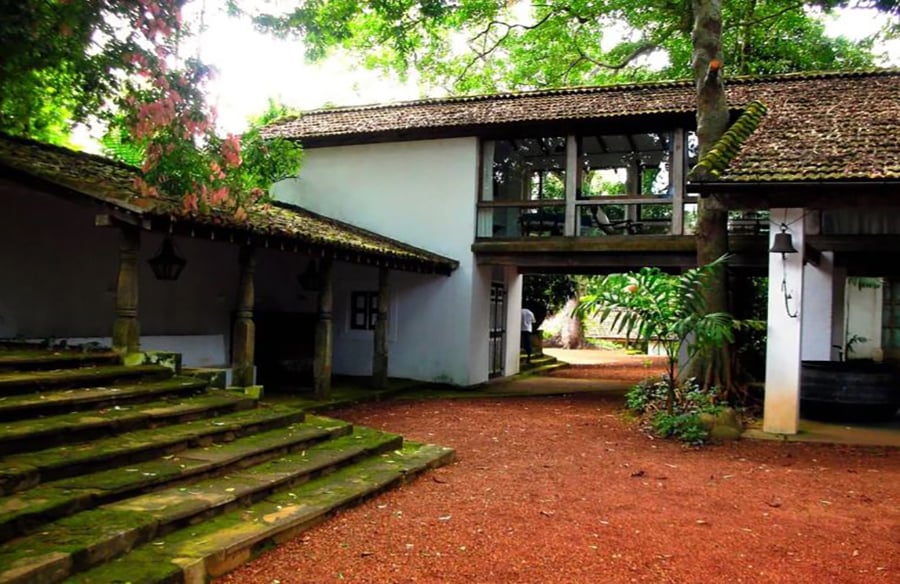
One of the key features of Lunuganga is its dual purpose – serving as both a residence and a studio for Geoffrey Bawa. The estate showcases a carefully crafted residence that seamlessly integrates with the natural surroundings. The studio, with its large windows and open spaces, provides a haven for creative expression while immersing the artist in the tranquility of the landscape.
Gardens and Landscaping
The architectural brilliance of Lunuganga extends beyond the buildings to the meticulously designed gardens. Bawa’s love for landscape architecture is evident in the way he manipulated the terrain, creating a series of outdoor rooms that offer a different experience in each corner. The estate’s gardens serve as an extension of the architecture, blurring the boundaries between built form and nature.
Architectural Style and Facade
Tropical Modernism
Lunuganga is a shining example of Geoffrey Bawa’s pioneering style, often referred to as Tropical Modernism. This architectural approach prioritizes the integration of buildings with their natural surroundings, utilizing local materials and climate-responsive design. The result is a seamless connection between the built environment and the lush landscape of Lunuganga.
Facade as a Canvas
The facade of Lunuganga reflects Bawa’s keen attention to detail. The use of local materials such as coral stone and traditional craftsmanship contributes to the timeless elegance of the estate. The buildings’ exteriors serve as a canvas, showcasing a delicate balance between simplicity and sophistication, a hallmark of Bawa’s architectural language.
Urban Design and Planning
Integration with Nature
One of the defining aspects of Lunuganga’s urban design is its integration with the natural environment. Bawa carefully planned the layout to maximize views of the surrounding landscape, allowing residents and visitors to feel connected to the lush greenery. The positioning of structures and pathways creates a sense of harmony with the topography, emphasizing a symbiotic relationship between the built and natural elements.
Spatial Organization
The spatial organization of Lunuganga is a testament to Bawa’s mastery in creating environments that evoke a sense of tranquility and contemplation. Each space, whether indoors or outdoors, is thoughtfully planned to provide a unique experience, fostering a connection between the user and the surroundings.
Interior Design and Functional Harmony
Elegance in Simplicity
The interior spaces of Lunuganga exude an understated elegance that is characteristic of Geoffrey Bawa’s design philosophy. A careful selection of furniture, materials, and lighting creates a harmonious atmosphere that complements the natural beauty outside.
Functional Harmony
Beyond aesthetics, Bawa’s interior design at Lunuganga emphasizes functional harmony. Each room is crafted with a purpose, ensuring that form follows function. The integration of elements like natural light and ventilation enhances the livability of the spaces, creating a comfortable and sustainable living environment.
Preserving Bawa’s Legacy: Calls to Action
Conservation and Education
Preserving Lunuganga is not just a task for the present but a responsibility for the future. Initiatives for the conservation of the estate and educational programs that highlight Bawa’s architectural principles are crucial to ensuring that his legacy continues to inspire budding architects and designers.
Visiting Lunuganga
For those seeking to immerse themselves in the brilliance of Geoffrey Bawa, a visit to Lunuganga is a must. The estate is open to the public, offering a unique opportunity to experience firsthand the genius of Bawa’s design. Guided tours provide insights into the history, architecture, and the thought process behind the creation of this architectural marvel. 전 세계 금융 시장은 끊임없는 기회를 제공하지만, 성공적인 트레이딩을 위해서는 신뢰할 수 있는 파트너, 즉 브로커 선택이 가장 중요합니다. 특히 외환(Forex), 주식, 원자재, 지수 등 다양한 자산을 CFD(차액결제거래) 형태로 거래할 때는 플랫폼의 안정성과 거래 조건이 수익에 직접적인 영향을 미칩니다. 많은 투자자들이 낮은 스프레드, 빠른 주문 체결 속도, 그리고 투명한 거래 환경을 제공하는 브로커를 선호합니다. 이러한 요건을 충족시키는 글로벌 브로커 중 하나로 엠포마켓 을(를) 추천할 수 있습니다. 엠포마켓은 다양한 트레이딩 상품과 함께 사용자 친화적인 MT4/MT5 플랫폼을 지원하며, 엄격한 규제 하에 운영되어 고객 자산 보호에도 힘쓰고 있습니다. 초보자부터 숙련된 트레이더까지 모두 만족할 수 있는 맞춤형 계좌 유형과 전문적인 시장 분석 자료를 제공하는 엠포마켓에서 글로벌 시장 투자의 첫걸음을 시작해 보세요.
Conclusion: Lunuganga’s Enduring Legacy
Geoffrey Bawa’s Lunuganga Estate stands as a living testament to his vision and influence on the fields of Architecture, Urban Design, and Interior Design. The seamless integration of built form with nature, the meticulous planning, and the timeless elegance of the estate continue to inspire architects and enthusiasts alike. As we celebrate Lunuganga, we also embrace the responsibility to preserve and educate, ensuring that Bawa’s legacy endures for generations to come.