Helvetica Font – Fonts for Architects
Helvetica font, a timeless and iconic typeface, has left an indelible mark on the world of graphic design and architecture. Known for its clean lines, simplicity, and versatility, Helvetica has become a staple in various design disciplines. In this comprehensive exploration, we delve into the history, characteristics, and significance of Helvetica, focusing on its relevance in the architectural realm. Architects and graphic designers alike will find valuable insights into incorporating this typeface into their projects.
The Origins and Evolution of Helvetica
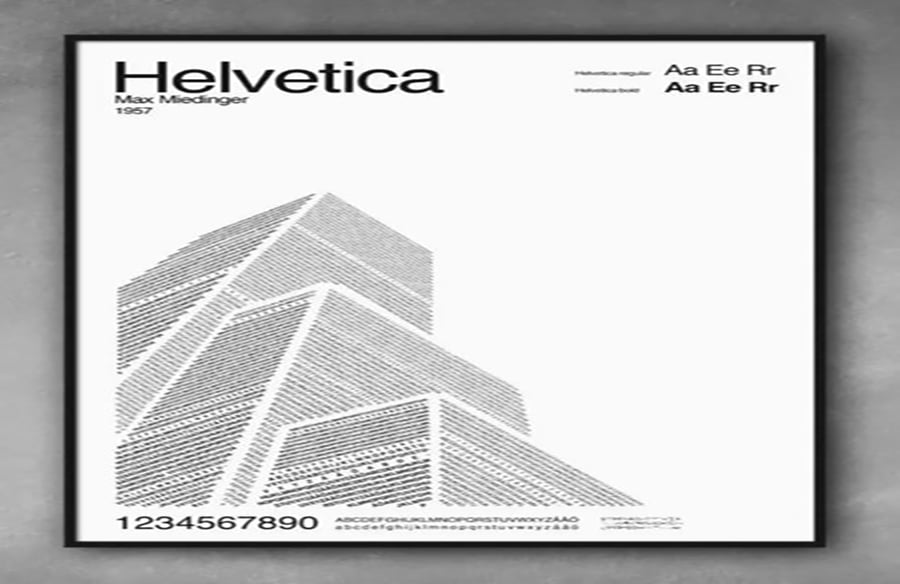
Helvetica originated in 1957 in Switzerland, designed by Max Miedinger and Eduard Hoffmann at the Haas Type Foundry. The name “Helvetica” is derived from the Latin word “helvetia,” meaning Switzerland. The typeface was created as a response to the need for a modern, legible, and neutral typeface that could adapt to various design applications.
Characteristics of Helvetica
Helvetica’s design is characterized by its uniform stroke width, sans-serif style, and straightforward letterforms. The typeface exudes neutrality and clarity, making it suitable for a wide range of applications. Its timeless design has ensured its longevity, and it remains a popular choice for designers worldwide.
Helvetica in Graphic Design
Versatility and Ubiquity
One of the key reasons for Helvetica’s enduring popularity is its versatility. It can be used effectively in a variety of design contexts, from print to digital media. Its widespread adoption by major corporations, signage systems, and public institutions has contributed to its ubiquity.
Legibility and Readability
Helvetica’s legibility is a crucial factor in its success. Its clear and unambiguous letterforms make it highly readable, even at smaller sizes. This characteristic has made it a preferred choice for body text in a multitude of design applications.
Modernist Influence
Helvetica is deeply rooted in the Modernist design movement, characterized by simplicity, functionality, and a focus on form following function. This design philosophy aligns seamlessly with the principles of architecture, making Helvetica a natural choice for architects seeking a typeface that complements their modern and minimalist sensibilities.
Helvetica in Architecture: A Visual Language for Portfolios
Embracing Minimalism in Portfolios
Architects, in their pursuit of effective communication, often turn to minimalism. Helvetica, with its clean lines and lack of ornamentation, aligns perfectly with this design ethos. Integrating Helvetica into architectural portfolios enhances the visual clarity of project descriptions, drawings, and other content.
Consistency in Branding
Consistency in branding is essential for architects, and Helvetica provides a reliable and recognizable visual language. Using the typeface consistently across various communication channels, from business cards to websites, establishes a cohesive and professional brand identity.
Highlighting Project Details
Helvetica’s neutrality allows architectural details and imagery to take center stage. Whether showcasing floor plans, elevations, or renderings, Helvetica serves as an unobtrusive backdrop, allowing the viewer to focus on the architectural content without distraction.
Examples of Helvetica in Architectural Portfolios
Zaha Hadid Architects
Zaha Hadid Architects, known for their avant-garde designs, employs Helvetica in their portfolio materials. The clean and modern aesthetic of the typeface complements the innovative and futuristic nature of their architectural projects, creating a seamless visual harmony.
Renzo Piano Building Workshop
Renzo Piano, a Pritzker Prize-winning architect, adopts Helvetica in his firm’s portfolio presentations. The typeface’s simplicity aligns with Piano’s design philosophy, emphasizing functionality and elegance in his architectural solutions.
Conclusion: Harnessing Helvetica’s Power in Architecture
In conclusion, Helvetica font stands as a versatile and timeless typeface that has become a design classic. Its roots in the Modernist movement, coupled with its neutrality and legibility, make it an ideal choice for architects seeking a visual language that aligns with their design principles. By embracing Helvetica in architectural portfolios, professionals can enhance the clarity, consistency, and visual impact of their work.
Call to Action:
Architects and graphic designers are encouraged to explore the use of Helvetica in their projects, understanding its impact on visual communication. Experiment with incorporating Helvetica into portfolio materials and observe the positive effects on clarity and brand consistency. As a timeless typeface, Helvetica continues to be a valuable tool for those striving for excellence in both graphic design and architecture.