Expanding Horizons by learning new things on site – Purpose and importance of an art exhibition
In the ever-evolving landscape of design and architecture, the pursuit of knowledge is a continuous journey. Art exhibitions emerge as invaluable educational platforms, offering professionals and enthusiasts alike the opportunity to learn new things, explore cutting-edge ideas, and delve into the diverse realms of artistic expression. This article unravels the purpose and importance of art exhibitions as dynamic learning environments within the design and architecture industry.
1. The Art of Learning: A Continuous Process
Learning is an intrinsic aspect of professional growth in the design and architecture industry. Art exhibitions provide a unique space where individuals can immerse themselves in a rich tapestry of artistic creations, architectural innovations, and design philosophies. This continuous process of learning not only enhances existing skills but also introduces practitioners to novel concepts that shape the trajectory of their careers.
2. Architectural Trends: Staying Current with Industry Shifts
Art exhibitions serve as barometers of architectural trends, showcasing the latest innovations and design approaches. Professionals attending these events gain insights into the contemporary shifts within the industry, from sustainable design practices to advancements in construction technologies. Staying current with architectural trends is essential for professionals to remain relevant and competitive in a rapidly evolving field.
3. Material Explorations: Innovations in Design Elements
One of the educational highlights of art exhibitions is the opportunity to explore new materials and design elements. Architects and designers can witness firsthand the innovative use of materials, textures, and finishes in showcased projects. This exposure sparks creativity and encourages professionals to experiment with unconventional materials, pushing the boundaries of traditional design practices.
4. Cultural Context: Understanding Global Design Influences
Art exhibitions often curate works that reflect diverse cultural influences, providing a comprehensive understanding of global design perspectives. Professionals attending these events can learn about the historical, social, and cultural contexts that shape different design movements. This cross-cultural exposure broadens their design sensibilities, fostering a more inclusive and globally informed approach to architecture.
5. Design Thinking: Nurturing a Creative Mindset
Art exhibitions encourage a design thinking mindset, emphasizing creativity, innovation, and problem-solving. Professionals can observe how artists and architects approach challenges, derive inspiration, and translate ideas into tangible forms. Learning from these creative processes nurtures a mindset that goes beyond conventional solutions, empowering individuals to approach their projects with a fresh and inventive outlook.
6. Sustainable Practices: Environmental Consciousness in Design
As sustainability becomes increasingly pivotal in the design and architecture industry, art exhibitions showcase projects that embody eco-friendly practices. Learning about sustainable design solutions, energy-efficient technologies, and environmentally conscious materials equips professionals with the knowledge to integrate sustainability into their projects. This focus on sustainable practices aligns with the industry’s commitment to responsible and ethical design.
7. Technological Advancements: Integrating Innovation into Design
Art exhibitions serve as platforms for exploring the integration of technology into design and architecture. Professionals can learn about the latest advancements, from parametric design tools to virtual reality applications. Understanding these technological innovations enables architects and designers to harness the power of cutting-edge tools, enhancing their ability to conceptualize and execute projects with efficiency and precision.
8. Historical Evolution: Tracing the Roots of Architectural Styles
Art exhibitions often feature retrospectives that trace the historical evolution of architectural styles. Professionals can delve into the roots of design movements, understanding how past influences continue to shape contemporary aesthetics. This historical context provides a solid foundation for architects and designers, allowing them to draw inspiration from the rich tapestry of architectural history.
9. Spatial Experiences: Learning Through Immersion
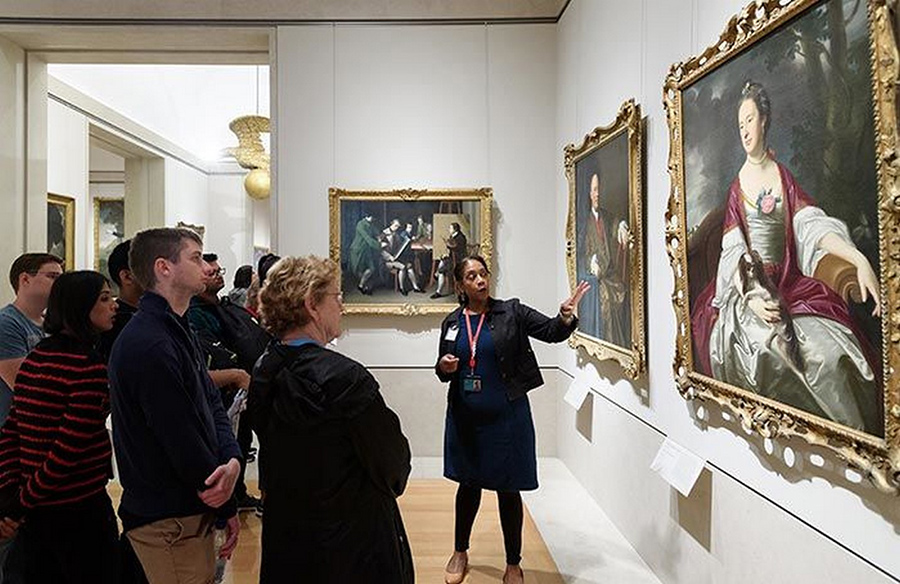
Art exhibitions offer immersive spatial experiences, allowing professionals to learn through direct engagement with the showcased artworks. Architects and designers can analyze how spatial layouts, lighting, and presentation techniques contribute to the overall impact of an exhibition. This experiential learning enhances their understanding of spatial design principles, which can be applied to their own architectural projects.
10. Networking with Experts: Tapping into Collective Wisdom
Art exhibitions bring together a diverse community of professionals, including renowned architects, designers, and artists. Attendees have the opportunity to network with industry experts, tapping into their collective wisdom and experiences. Engaging in conversations with seasoned professionals provides valuable insights and advice, contributing to the educational journey of those navigating the design and architecture landscape.