Edwin Lord Weeks – Famous artists that architects must know
In the realm of architectural artistry, Edwin Lord Weeks stands as a luminary whose brush strokes transported viewers to distant lands and epochs. This article unravels the intriguing journey of Weeks, highlighting the profound impact of his Orientalist paintings on architectural perspectives and the enduring legacy he left on the intersection of art and design.
1. Introduction to Edwin Lord Weeks: The Architectural Visionary
1.1 The Pioneer of Orientalist Painting
Born in Boston in 1849, Edwin Lord Weeks emerged as a leading figure in the Orientalist art movement, characterized by depictions of North African and Middle Eastern scenes. His unparalleled ability to capture the architectural marvels of these regions made him a trailblazer in the world of architectural illustration.
1.2 Weeks’ Architectural Background
Weeks’ fascination with architecture was rooted in his early education and exposure to diverse architectural styles. He studied at the Académie Julian in Paris, where he honed his skills in capturing the intricate details of historical and culturally rich architectural landscapes.
2. Architectural Vistas in Edwin Lord Weeks’ Paintings
2.1 Grand Bazaars and Architectural Extravagance
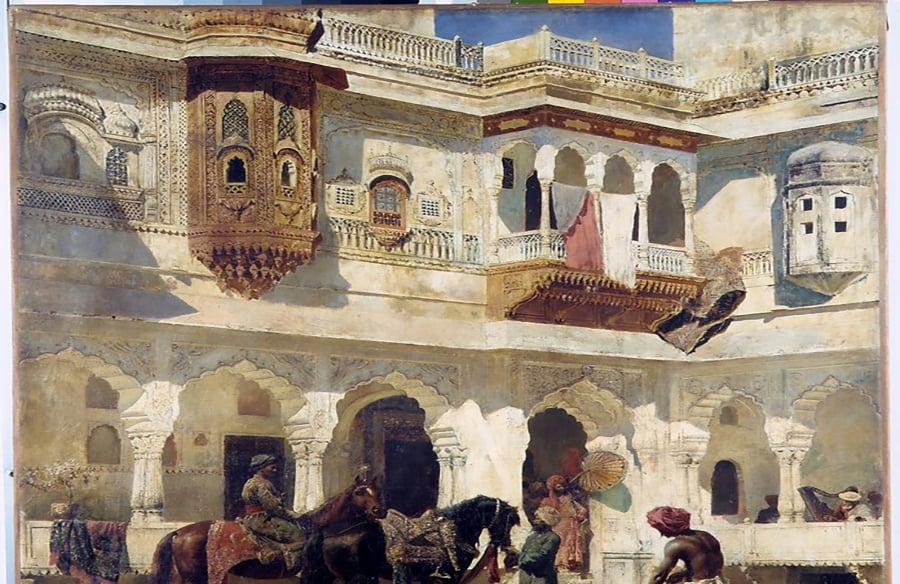
Weeks’ paintings often feature bustling bazaars and marketplaces, framed by awe-inspiring architectural structures. The intricate detailing of arches, domes, and minarets showcases his meticulous approach to capturing the architectural essence of the Orientalist world.
2.2 Palatial Splendor and Courtyard Designs
Palatial interiors and serene courtyard scenes dominate Weeks’ oeuvre, offering viewers a glimpse into the opulence of Eastern architecture. His mastery in portraying light and shadow on intricate architectural surfaces brings these spaces to life on canvas.
3. Weeks’ Influence on Architectural Perspectives
3.1 Architectural Detailing as a Narrative Element
Weeks’ meticulous attention to architectural detailing transcends mere illustration; it becomes a narrative element in his paintings. Architects, inspired by his works, now view architectural detailing not just as a functional aspect but as a storytelling medium that enriches the user experience.
3.2 Cultural Context in Architectural Design
Weeks’ emphasis on capturing the cultural context within his architectural compositions prompts architects to consider the cultural narratives embedded in their designs. The integration of cultural elements becomes a means of fostering a richer and more immersive architectural experience.
4. Case Studies: Weeks’ Influence on Architectural Projects
4.1 Orientalist Inspirations in Modern Resorts
Architects, influenced by Weeks’ portrayal of exotic landscapes, incorporate Orientalist inspirations into modern resort designs. The use of archways, vibrant color palettes, and courtyard layouts creates spaces that evoke a sense of escapism and cultural richness.
4.2 Architectural Photography with an Orientalist Lens
Contemporary architectural photographers draw inspiration from Weeks’ compositions, utilizing an Orientalist lens to capture architectural marvels around the world. This approach not only highlights the structures but also emphasizes the cultural and historical context in which they exist.