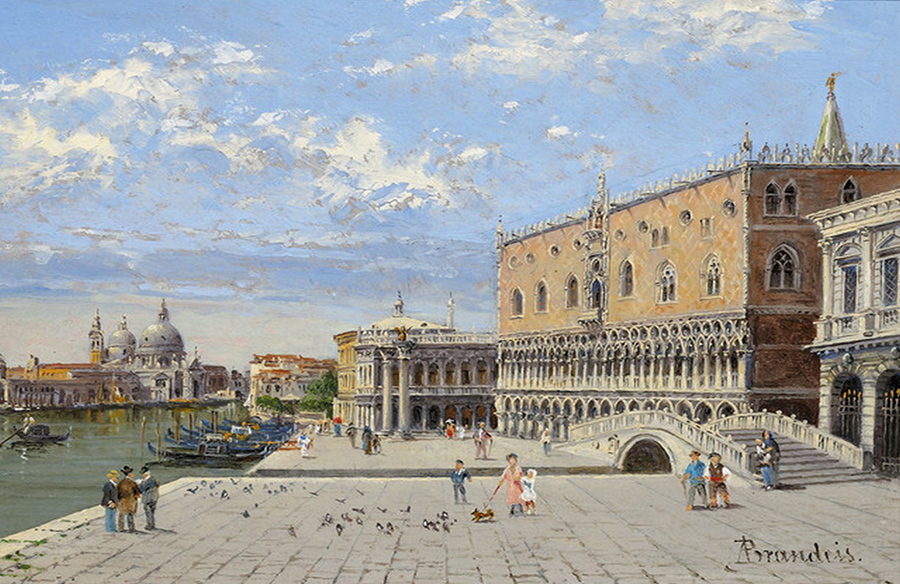
Antonietta Brandeis – Famous artists that architects must know
Antonietta Brandeis, a remarkable artist of the 19th century, painted her way into the hearts of art enthusiasts and architects alike. This article delves into the life and oeuvre of Antonietta Brandeis, shedding light on how her artistic brilliance captured the essence of architectural marvels and left an indelible mark on the intersection of art and architecture.
1. Introduction to Antonietta Brandeis: The Architectural Visionary
1.1 Early Life and Artistic Formation
Born in 1848 in Miskowitz, Bohemia (now part of the Czech Republic), Antonietta Brandeis displayed an early aptitude for art. Her formal training took her to prestigious academies in Prague and Munich, where she honed her skills under the guidance of eminent artists.
1.2 The Grand Tour and Architectural Influences
Antonietta’s artistic journey was profoundly impacted by her Grand Tour through Europe. This immersive experience exposed her to a myriad of architectural styles, from the Gothic cathedrals of France to the classical wonders of Italy, shaping her perception of space and form.
2. Architectural Themes in Antonietta Brandeis’ Art
2.1 Venetian Cityscapes: A Pictorial Chronicle
Antonietta Brandeis gained widespread acclaim for her exquisite depictions of Venetian cityscapes. Her mastery in capturing the intricate details of architecture, from the ornate facades to the labyrinthine alleys, transports viewers to the heart of Venetian splendor.
2.2 Interiors and Courtyards: Architectural Intimacy
Beyond external facades, Brandeis ventured into portraying the interiors and courtyards of historic buildings. Her paintings invite viewers into secluded spaces, where architectural elements harmonize with the play of light, showcasing her keen understanding of spatial dynamics.
3. Brandeis’ Impact on Architectural Appreciation
3.1 Architectural Documentation Through Art
Antonietta Brandeis’ paintings serve as invaluable documents of architectural heritage. Architects and historians draw inspiration from her meticulous renderings, using them as references for the restoration and preservation of historic structures.
3.2 Aesthetic Sensibilities in Architectural Design
The aesthetic sensibilities embedded in Brandeis’ work resonate with contemporary architects. Her emphasis on harmony, proportion, and the poetic integration of architectural elements encourages architects to infuse their designs with a sense of timeless beauty.
4. Case Studies: Antonietta Brandeis’ Influence on Modern Architecture
4.1 Replicating Venetian Aesthetics in Contemporary Resorts
The influence of Brandeis’ Venetian cityscapes is evident in the design of modern resorts. Architects incorporate Venetian aesthetics, such as intricate balconies and canal-side facades, to recreate the romantic allure of Venetian architecture.
4.2 Courtyard Inspirations in Residential Architecture
Residential architects, inspired by Brandeis’ portrayal of intimate courtyards, integrate similar features into their designs. Courtyards become focal points, providing residents with private, serene spaces reminiscent of Brandeis’ evocative paintings.
5. Antonietta Brandeis’ Educational Legacy in Architecture
5.1 Incorporating Art History into Architectural Pedagogy
Brandeis’ art is featured in architectural education to underscore the importance of understanding art history. Students analyze her works to grasp the symbiotic relationship between art and architecture, cultivating a holistic approach to design.
5.2 Spatial Composition Studies in Architectural Studios
Architectural studios incorporate Antonietta Brandeis’ works as case studies in spatial composition. Her ability to convey depth and perspective becomes a valuable lesson for aspiring architects seeking to master the interplay of form and space.
6. Brandeis’ Contribution to Architectural Preservation Movements
6.1 Preservation Advocacy Through Artistic Narratives
Brandeis’ commitment to depicting historical architecture has inspired preservation movements. Her paintings serve as emotive narratives, rallying support for the conservation of cultural landmarks threatened by urban development.
6.2 Architectural Heritage Tourism
The visual allure of Brandeis’ paintings contributes to architectural heritage tourism. Cities and regions featured in her works become magnets for tourists seeking to explore the tangible embodiment of her artistic interpretations.
7. Conclusion: Antonietta Brandeis’ Enduring Architectural Legacy
In conclusion, Antonietta Brandeis emerges as a bridge between the realms of art and architecture. Her ability to transcend mere representation and infuse her paintings with a profound understanding of architectural essence solidifies her legacy as an influential figure. Architects today continue to draw inspiration from her timeless depictions, ensuring that the synergy between art and architecture remains a vibrant aspect of our built environment.