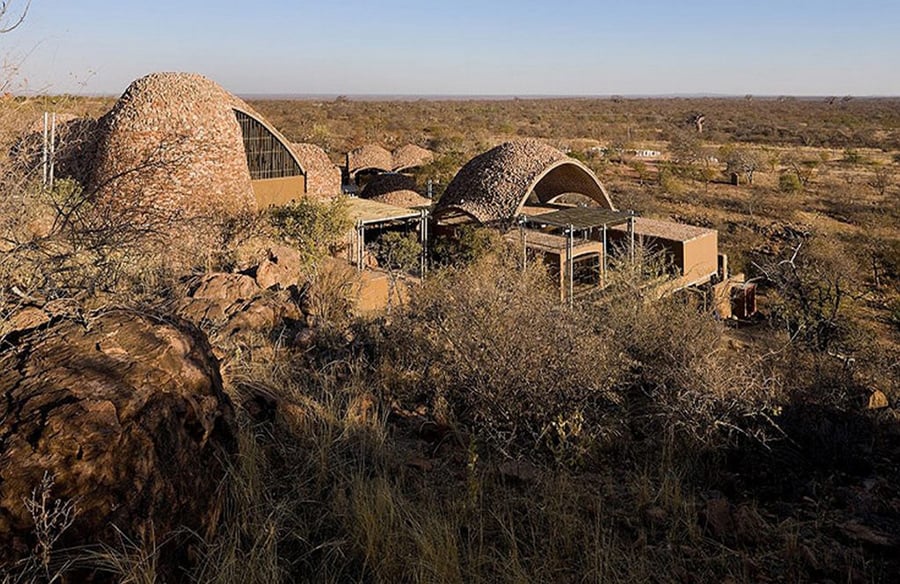
Eco-Museum – Cultural Architecture – List of architecture dissertation topics
In the realm of architecture, the intersection of sustainability and cultural preservation has given rise to the fascinating concept of Eco-Museums. This article delves into the intricacies of Eco-Museum – Cultural Architecture, shedding light on its typology, significance, and the profound impact it has on heritage conservation. Aspiring architects and students of the discipline embarking on dissertation research will find this exploration both educative and insightful.
Defining Eco-Museum – Cultural Architecture
Eco-Museums, at their core, are institutions that transcend traditional museum functions by integrating cultural preservation with ecological sustainability. They represent a paradigm shift in architectural design, emphasizing harmony with the environment while safeguarding cultural heritage.
Typology of Eco-Museums
-
Living Collections
Unlike conventional museums where artifacts are static, Eco-Museums incorporate living collections. These could be heritage gardens, animal habitats, or sustainable ecosystems that dynamically interact with visitors, fostering a deeper understanding of the interconnectedness between culture and nature.
-
Adaptive Reuse
Many Eco-Museums are ingeniously housed within existing structures, showcasing a commitment to adaptive reuse. This not only minimizes environmental impact but also breathes new life into historical buildings, seamlessly blending the old with the new.
-
Sustainable Materials
From construction to exhibition design, Eco-Museums prioritize the use of sustainable materials. Bamboo, recycled wood, and eco-friendly composites are commonly employed, embodying the principles of responsible architecture.
The Significance of Eco-Museum – Cultural Architecture
-
Sustainable Preservation
Eco-Museums act as bastions of cultural heritage, ensuring its preservation for future generations. By integrating sustainable practices, these institutions go beyond mere conservation, actively contributing to the longevity of the artifacts and traditions they house.
-
Community Engagement
Unlike traditional museums that often stand as passive repositories, Eco-Museums foster community engagement. They become dynamic spaces for dialogue, education, and cultural exchange, inviting local communities to actively participate in their own heritage.
-
Environmental Stewardship
With a focus on sustainability, Eco-Museums serve as exemplars of environmental stewardship. From rainwater harvesting to energy-efficient lighting, these structures embody the principles of eco-conscious architecture, inspiring visitors to adopt similar practices in their own lives.
Case Studies: Exemplars of Eco-Museum – Cultural Architecture
-
The TerraNova Eco-Museum, Canada
Living Collections in Action
TerraNova, nestled in the heart of Canada, stands out for its innovative use of living collections. The museum features a meticulously curated ecosystem where indigenous plant and animal species coexist, offering visitors an immersive experience in both cultural and environmental appreciation.
Adaptive Reuse of Heritage Structures
The TerraNova Eco-Museum ingeniously repurposed an abandoned industrial site, transforming it into a thriving hub of cultural and ecological activity. This adaptive reuse not only preserved a piece of local history but also minimized the environmental impact of new construction.
-
The Green Heritage Eco-Museum, Singapore
Sustainable Materials and Design
In the bustling urban landscape of Singapore, the Green Heritage Eco-Museum stands tall as an epitome of sustainable design. Bamboo, a rapidly renewable resource, features prominently in its construction, creating a harmonious blend of modern architecture and environmental responsibility.
Community-Centric Approach
The Green Heritage Eco-Museum actively involves the local community in its initiatives. Through workshops, events, and collaborative projects, it fosters a sense of ownership among residents, transforming the museum into a true cultural and ecological epicenter.
Challenges and Future Prospects
-
Balancing Tradition and Modernity
One of the key challenges facing Eco-Museum architects is striking a delicate balance between preserving tradition and embracing modernity. Achieving harmony between the two is crucial for the success of these institutions.
-
Financial Sustainability
While Eco-Museums champion environmental sustainability, achieving financial sustainability remains a challenge. Architects must explore innovative funding models to ensure the longevity of these institutions without compromising their eco-friendly principles.
Conclusion: A Call to Action for Future Architects
In conclusion, the fusion of Eco-Museum and Cultural Architecture stands as a beacon of sustainable cultural preservation. Aspiring architects and students of the discipline should view this emerging typology not merely as a trend but as a responsibility. By championing eco-conscious design and community engagement, they have the power to shape a future where architecture not only reflects our heritage but actively contributes to the well-being of our planet.
Takeaways for Aspiring Architects
- Embrace Sustainability: Integrate sustainable practices into every facet of architectural design.
- Community-Centric Design: Engage local communities to create meaningful and inclusive spaces.
- Learn from Exemplars: Case studies like TerraNova and Green Heritage offer valuable insights for future projects.
- Strive for Balance: Navigate the delicate equilibrium between tradition and modernity in architectural endeavors.
Eco-Museum – Cultural Architecture is not just a design choice; it is a commitment to a sustainable, culturally rich future. As architects, embracing this ethos can be the catalyst for transformative and enduring contributions to the field of architecture, interior design, and urban design.