Chand Baori – The lesser-known historical monuments in India
India, a land steeped in history and architectural wonders, harbors a gem that often escapes the limelight – Chand Baori. This extraordinary stepwell, tucked away in the village of Abhaneri in Rajasthan, stands as a testament to the architectural brilliance and ingenuity of ancient builders.
Unveiling Chand Baori: A Historical Overview
Architectural Time Capsule
Chand Baori, constructed during the 9th and 10th centuries, serves as a remarkable example of stepwell architecture that flourished in medieval India. This colossal stepwell is more than a mere functional structure; it is an intricate piece of art that showcases the craftsmanship and engineering skills of its creators.
Dimensions and Layout
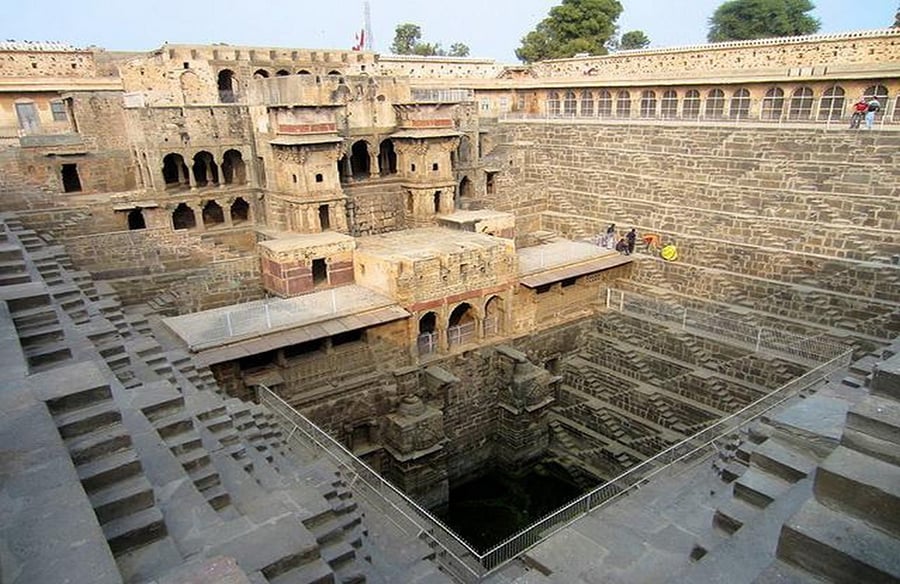
The sheer scale of Chand Baori is awe-inspiring. With 3,500 symmetrically arranged steps extending 13 stories deep, it is one of the deepest and largest stepwells in the world. The geometric precision of its layout, with the steps forming a perfect inverted pyramid, adds to the allure of this architectural wonder.
The Design Elements of Chand Baori
Architectural Symmetry and Precision
Chand Baori’s design is a marvel of architectural symmetry and precision. The steps, meticulously carved into the earth, create a mesmerizing pattern that draws the eye downward. The precision in the alignment and uniformity of the steps reflects the advanced understanding of geometry and engineering prevalent during its construction.
Ornate Carvings and Architectural Features
Chand Baori is not merely a functional structure but a work of art adorned with intricate carvings and architectural features. The side walls of the stepwell are embellished with detailed sculptures and carvings, showcasing the aesthetic sensibilities of the builders. The precision and artistry displayed in these details elevate Chand Baori to the status of a cultural masterpiece.
Preservation Challenges and Conservation Initiatives
Modern Challenges
Despite its historical significance, Chand Baori faces challenges arising from weathering, environmental factors, and urbanization. The centuries-old structure requires careful preservation to ensure its longevity and protect it from the ravages of time.
Conservation Efforts
Recognizing the importance of Chand Baori, conservation initiatives have been undertaken by both governmental and non-governmental organizations. These efforts include structural restoration, environmental safeguards, and awareness programs. The aim is to strike a balance between preserving the historical integrity of the site and ensuring its accessibility to future generations.
Visitor Experience and Educational Significance
Architectural Odyssey
Visitors to Chand Baori embark on an architectural odyssey, marveling at the ingenuity of its design and the cultural significance it holds. The experience of descending the steps and witnessing the intricate details of the well is akin to stepping back in time, connecting with the craftsmanship of ancient India.
Educational Significance
Chand Baori serves as an invaluable educational resource, offering insights into the architectural and engineering prowess of its creators. Educational institutions and enthusiasts benefit from guided tours and interpretive materials that provide a deeper understanding of the stepwell’s historical context and architectural significance.
The Future of Chand Baori: A Call to Preservation
Global Recognition
Preserving Chand Baori is not only a local responsibility but a global one. Recognizing its cultural and architectural significance on the international stage can attract attention and resources for its sustained preservation.
Tourism Promotion and Responsible Visitation
Promoting Chand Baori as a cultural and historical tourism destination is crucial for its preservation. Increased footfall can contribute to the economic well-being of the region, but it must be accompanied by responsible tourism practices to ensure the stepwell’s protection.
Conclusion
In conclusion, Chand Baori stands as a beacon of ancient architectural brilliance, hidden in the landscapes of Rajasthan. Its symmetrical design, ornate carvings, and historical significance make it a unique testament to the advanced engineering skills of its creators. As we unravel the layers of India’s architectural heritage, let Chand Baori remind us of the importance of preserving and celebrating these lesser-known marvels that contribute to the rich tapestry of our cultural legacy.