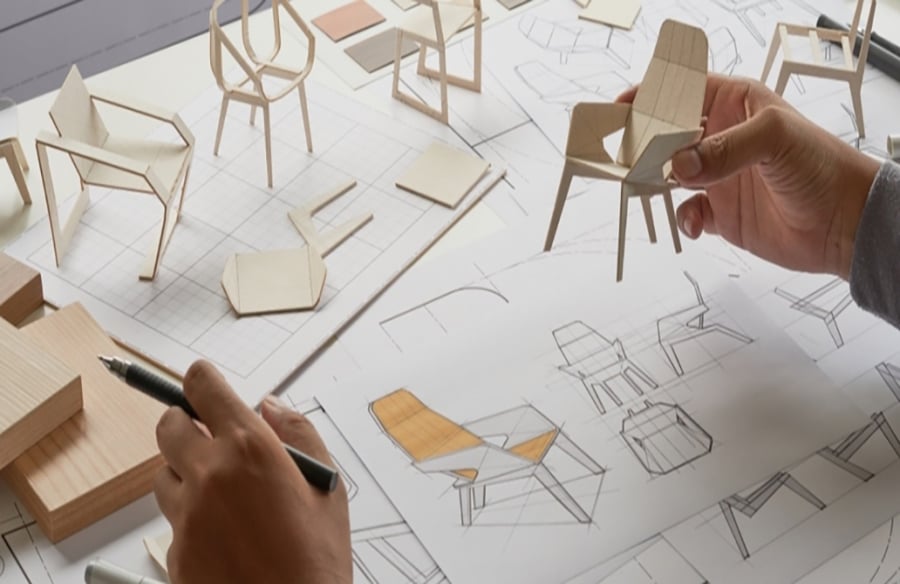
Architects as Furniture Design Maestros Post B.Arch – Things Architects can do after B.Arch
As architects traverse the diverse landscape of professional possibilities after completing their Bachelor of Architecture (B.Arch) degree, the realm of Furniture Design stands as a captivating avenue. This article meticulously explores the myriad opportunities available for architects venturing into furniture design, unraveling the educational, professional, and artistic dimensions that define this specialized field.
1. Master’s in Furniture Design: Crafting Artistry with Precision
For architects seeking to delve into the nuanced artistry of furniture design, pursuing a Master’s in Furniture Design becomes a transformative pursuit. This advanced education imparts architects with the skills, knowledge, and methodologies to create furniture that marries aesthetics with functionality, transcending the ordinary to become functional works of art.
2. Ergonomics and User-Centric Furniture Design: Enhancing Daily Living
Furniture design demands a keen understanding of ergonomics and user-centric principles. Architects, bringing their spatial awareness to the forefront, excel in crafting furniture that not only serves a practical purpose but also enhances the overall user experience. This includes designing pieces that seamlessly integrate into diverse living and working environments.
3. Innovative Materials in Furniture Design: Architects as Material Virtuosos
The intersection of architecture and furniture design sees architects becoming virtuosos in the innovative use of materials. They experiment with textures, forms, and materials, pushing the boundaries of conventional furniture design. This includes exploring sustainable and cutting-edge materials that contribute to the evolution of the furniture industry.
4. Residential Furniture Design: Shaping Intimate Spaces
Architects-turned-furniture designers often find their creative expression in shaping residential spaces. From bespoke sofas to custom dining tables, architects bring a holistic perspective to residential furniture design, considering the spatial dynamics and design language that harmonize with the architecture of the home.
5. Commercial Furniture Design: Enhancing Work Environments
The corporate realm beckons architects to contribute their design prowess to commercial furniture design. This involves creating office furniture that not only meets ergonomic standards but also contributes to fostering a productive and visually appealing work environment. Architects infuse a sense of harmony and functionality into commercial spaces through their furniture designs.
6. Sustainable Furniture Design: Architects as Stewards of the Environment
Sustainability is a cornerstone of contemporary design, and architects-turned-furniture designers play a pivotal role in advancing sustainable practices. They integrate eco-friendly materials, design for recyclability, and prioritize sustainable manufacturing processes, contributing to the global movement towards environmentally responsible furniture design.
7. Collaborative Projects with Architects: Bridging Disciplines
Architects-turned-furniture designers often collaborate with their architectural counterparts. This interdisciplinary collaboration bridges the disciplines of architecture and furniture design, resulting in pieces that seamlessly complement architectural spaces. Such partnerships enhance the overall aesthetic and functional cohesion of designed environments.
8. Public Spaces and Furniture Design: Creating Social Hubs
Architects extend their influence into public spaces, contributing to the design of furniture for parks, plazas, and communal areas. This involves creating socially engaging and aesthetically pleasing furniture that transforms public spaces into inviting hubs for relaxation and social interaction.
9. Furniture Design Entrepreneurship: Architects as Design Entrepreneurs
With their unique design perspective, architects often venture into entrepreneurship in furniture design. Establishing their own design studios or collaborating with existing furniture design firms, architects become design entrepreneurs, bringing their distinctive aesthetic and innovative approach to the market.
10. Custom Furniture Design: Tailoring Pieces to Individual Tastes
Architects excel in the realm of custom furniture design, tailoring pieces to the specific tastes and needs of clients. This bespoke approach allows architects to create one-of-a-kind furniture that reflects the individuality of the end user while showcasing the designer’s artistic sensibility.
Conclusion: Architects Crafting Functional Masterpieces
Choosing the path of a Furniture Designer after B.Arch unveils the versatile and artistic prowess of architects. Architects-turned-furniture designers become maestros, crafting functional masterpieces that transcend mere utility to become expressions of artistic vision. As architects navigate the nuances of furniture design, they contribute to a world where every chair, table, and piece of furniture is a testament to the marriage of form and function. Furniture design becomes a canvas where architects, as design visionaries, shape the objects that adorn and enrich our daily lives.