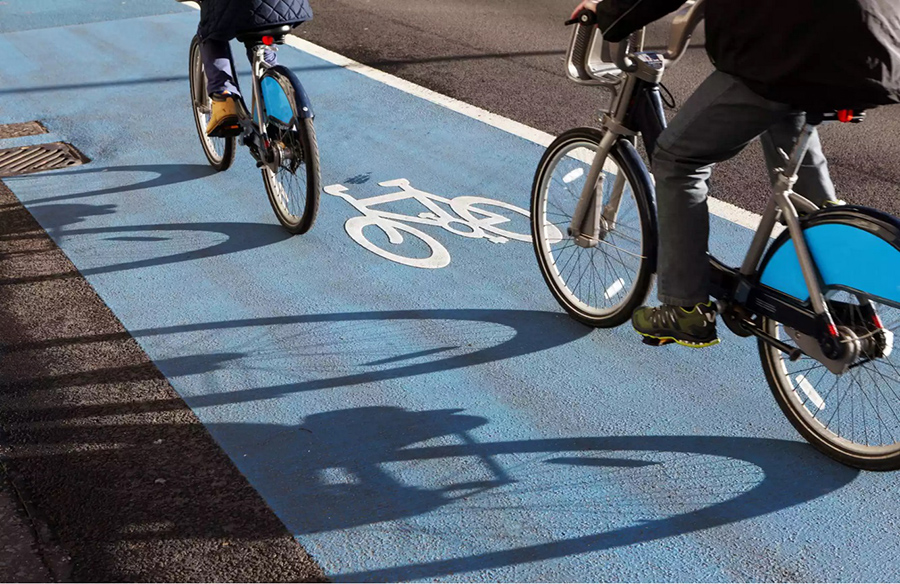
A Comprehensive Guide to Encouraging Bicycling Among Citizens – Ways to turn a city green
In the pursuit of greener and more sustainable cities, promoting alternative modes of transportation emerges as a pivotal strategy. Among these, encouraging bicycling among citizens stands out as a transformative approach with multifaceted benefits. This article delves into the intricacies of fostering a cycling culture in urban environments, exploring the design, infrastructure, and policies that can catalyze the shift towards a more eco-friendly and resilient cityscape.
Catalyzing Change: The Benefits of Bicycling for Cities
1. Environmental Impact
Bicycling is inherently eco-friendly, emitting zero emissions and requiring minimal resources for production and maintenance. Cities that prioritize bicycling contribute to a significant reduction in air pollution, carbon emissions, and overall environmental degradation. As a clean and sustainable mode of transport, bicycles play a crucial role in mitigating the environmental impact of urban mobility.
2. Health and Well-being
Encouraging citizens to embrace bicycling promotes a healthier and more active lifestyle. Regular cycling has been linked to various health benefits, including improved cardiovascular fitness, weight management, and enhanced mental well-being. Cities that prioritize cycling infrastructure invest in the overall health and well-being of their residents, fostering a more vibrant and active community.
3. Traffic Congestion Alleviation
Bicycling serves as a practical solution to alleviate traffic congestion in urban areas. By reducing the dependence on motorized vehicles, cities can mitigate the strain on road infrastructure and enhance overall traffic flow. Dedicated cycling lanes and bike-friendly policies contribute to a more efficient and streamlined transportation network.
Designing for Bicyclists: Creating a Cyclist-Friendly Urban Landscape
1. Dedicated Cycling Infrastructure
Cities committed to encouraging bicycling must invest in dedicated cycling infrastructure. This includes well-designed and well-maintained cycling lanes, separate from vehicular traffic. Protected bike lanes, cycle tracks, and bike boulevards contribute to a safer and more accessible cycling environment, encouraging citizens to choose bicycles as a viable mode of transport.
2. Bike Parking Facilities
Providing secure and convenient bike parking facilities is essential to support a growing cycling culture. Cities can incorporate bike racks, bike storage areas, and bike-sharing stations strategically throughout urban spaces. This not only encourages cycling for transportation but also facilitates a seamless integration of bicycles into daily activities.
3. Intersection and Traffic Signal Design
Intersection design plays a critical role in ensuring the safety and efficiency of cycling in urban areas. Smart traffic signal timings, advanced stop lines for cyclists, and clearly marked intersections contribute to a cyclist-friendly urban landscape. These design elements enhance safety and encourage more people to opt for bicycles as a practical means of commuting.
Policy Interventions: Fostering a Cyclist-Friendly City
1. Bike-Friendly Legislation
Cities can enact bike-friendly legislation to promote and protect the rights of cyclists. This may include laws that prioritize cyclist safety, grant cyclists the right of way, and establish penalties for offenses against cyclists. Clear and supportive legal frameworks create a conducive environment for the growth of bicycling as a mainstream mode of transportation.
2. Incentives for Cycling
Incentivizing bicycling can be achieved through various means, such as tax benefits, subsidies for purchasing bicycles, and employer-sponsored bike-to-work programs. Cities can collaborate with businesses to create a supportive ecosystem that encourages employees to choose bicycles for their daily commute. These incentives not only promote a sustainable lifestyle but also contribute to reducing traffic congestion.
3. Integration with Public Transportation
Seamless integration with public transportation systems enhances the appeal of bicycling as a practical mode of commuting. Cities can implement bike-sharing programs, provide bike racks at transit stations, and facilitate easy transitions between cycling and other forms of public transportation. This integrated approach creates a comprehensive and accessible urban mobility network.
Educational Campaigns: Building a Cycling Culture
1. Cycling Education Programs
Educational campaigns play a crucial role in building a cycling culture. Cities can implement cycling education programs targeted at both adults and children. These programs cover road safety, cycling etiquette, and the benefits of choosing bicycles as a mode of transport. Schools, community centers, and workplaces can serve as hubs for these educational initiatives.
2. Public Awareness Campaigns
Raising public awareness about the benefits of bicycling and the positive impact on the environment is integral to fostering a cycling culture. Cities can leverage various media channels to communicate the advantages of cycling, showcase success stories, and highlight the environmental and health benefits. Engaging and informative campaigns contribute to changing perceptions and attitudes towards bicycling.
3. Community Events and Initiatives
Organizing community events and initiatives centered around bicycling fosters a sense of camaraderie and community spirit. Cities can host bike festivals, group rides, and cycling challenges to encourage citizen participation. These events not only promote the joy of cycling but also create a supportive community that celebrates and values sustainable transportation choices.
Measuring Success: Metrics for a Cycling-Friendly City
1. Increased Cycling Mode Share
One of the key metrics for assessing the success of bicycling initiatives is the increase in cycling mode share. Cities can track the percentage of trips made by bicycle compared to other modes of transportation. A rising cycling mode share indicates a growing acceptance and adoption of bicycling among citizens.
2. Reduction in Air Pollution and Greenhouse Gas Emissions
Monitoring air quality and greenhouse gas emissions provides tangible evidence of the positive environmental impact of bicycling. Cities can measure the reduction in pollutants attributed to a decrease in motorized vehicle use. This data serves as a testament to the effectiveness of promoting bicycling in mitigating urban environmental challenges.
3. Enhanced Public Health Indicators
An uptick in public health indicators, such as increased physical activity levels and reduced rates of sedentary-related illnesses, demonstrates the health benefits of encouraging bicycling. Cities can collaborate with healthcare institutions to track and analyze health-related data, showcasing the positive correlation between cycling-friendly initiatives and improved public health outcomes.