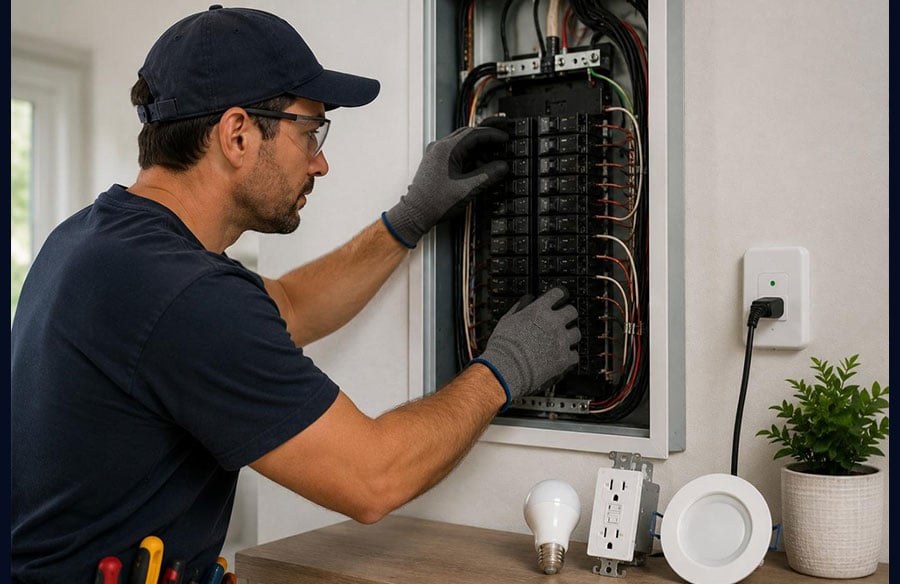
Home electrical upgrades matter under Boulder’s new energy rules because electrification can increase a property’s electrical demand. New construction, additions, and major alterations may need electric space and water heating, cooking, fireplaces, and certain outdoor systems, making panel capacity, wiring, load calculations, and planning increasingly important.
Boulder County is located in north-central Colorado along the foothills of the Rocky Mountains, with the City of Boulder serving as its largest and best-known community. The county also includes communities such as Longmont, Lafayette, Louisville, Erie, and Lyons, while unincorporated areas fall under Boulder County’s own regulations.
Because energy and building requirements can vary between the City of Boulder, other municipalities, and unincorporated areas. For homeowners researching about Boulder County’s gas ban or other electrification requirements, knowing which jurisdiction applies is important.
This article explains why home electrical upgrades are becoming increasingly important under Boulder’s new energy rules.
What Changed?
The City of Boulder’s 2024 Energy Conservation Code took effect December 1, 2024. It requires new construction, additions, and major alterations to be all-electric for covered uses, including space and water heating, cooking, and fireplaces. Certain pools, spas, outdoor radiant heating, and snow-melt systems also have renewable-energy requirements.
Why Electrical Capacity Matters
Older homes may have been designed around lower electrical loads. Adding a heat pump, heat-pump water heater, induction range, electric dryer, EV charger, solar equipment, or battery storage can exceed available panel or service capacity.
A qualified professional can evaluate the service, panel, wiring, breakers, grounding, and circuit space. The project may need a solar panel or service upgrade, subpanel, dedicated circuits, or load management.
Plan for Major Appliances
Heat pumps require properly sized circuits and disconnects. Heat-pump water heaters need suitable electrical connections and installation space. Induction ranges typically require dedicated circuits and correctly sized wiring. Plan these requirements before other trades begin to prevent redesigns and delays.
Prepare Your Home for EVs and Solar
A Level 2 EV charger can add substantial electrical load and may require a dedicated circuit. Consider charger requirements, panel capacity, wiring distance, location, and future vehicles.
Solar and battery systems require coordination involving inverters, disconnects, service equipment, utility interconnection, and inspections. Discuss future renewable energy before upgrading the service.
Load Calculations and Safety
Electrical capacity should not be estimated by simply adding appliance ratings. A qualified electrician or electrical contractor can perform a load calculation that considers existing equipment, heating and cooling, water heating, cooking, EV charging, motor loads, and planned expansion.
Renovations are also an opportunity to identify unsafe conditions, including damaged wiring, overloaded circuits, missing GFCI or AFCI protection, improper grounding, and unsuitable panels.
Permits and Professional Help
Electrical work associated with construction, additions, and substantial renovations may require permits and inspections. Ask who handles permits, inspections, utility coordination, and corrections. For work inside Boulder city limits, verify the contractor’s city registration and required state credentials. For unincorporated Boulder County properties, check the county’s applicable requirements.
Avoid Delays With Early Planning
Late electrical decisions can force expensive changes. Include the electrical professional during design so panel location, wiring routes, equipment spaces, EV charging, solar readiness, and utility requirements are considered together.
Consider Your Utility Connection
Electrification can affect more than the equipment inside the home. If an upgrade significantly changes electrical demand, the utility connection and service equipment may also need review. Confirm requirements early so utility work does not hold up construction.
Keep Project Records
Save permits, inspection approvals, equipment specifications, electrical diagrams, and contractor documentation after the work is complete. These records can make future maintenance, repairs, upgrades, and property transactions easier.
Key Takeaways
- Electrification can increase home electrical demand.
- Boulder’s 2024 code requires covered projects to go all-electric.
- Plan for heat pumps, EVs, solar, and batteries early.
- Load calculations help determine electrical capacity.
- Check whether increased electrical demand affects your utility service.
- Keep permits, inspections, equipment details, and electrical documentation.