Ask any Minecraft fan to name a creator who turned their home into content, and Unspeakable will come up fast. Nathan Graham — the face behind one of YouTube’s biggest family-friendly gaming channels — has spent years blending over-the-top challenges with genuinely ambitious real-world builds. And somewhere along the way, a single question became one of the most-searched things about him: where does Unspeakable live?
The short answer is Texas. The longer answer is far more interesting, because it involves an actual private island, a purpose-built creator compound, and one of the most talked-about property projects in YouTube history.
The Texas Connection
Unspeakable has been closely associated with Texas throughout his career, and it’s where his production base has been rooted. The state’s appeal for creators isn’t hard to understand: large plots of land, comparatively affordable space, no state income tax, and the kind of outdoor room you need if your content regularly involves giant slides, obstacle courses, or flooding a backyard.
For a channel built on scale — huge builds, huge props, huge reveals — geography genuinely matters. You simply can’t film that content in a cramped suburban lot.
The Famous Island House
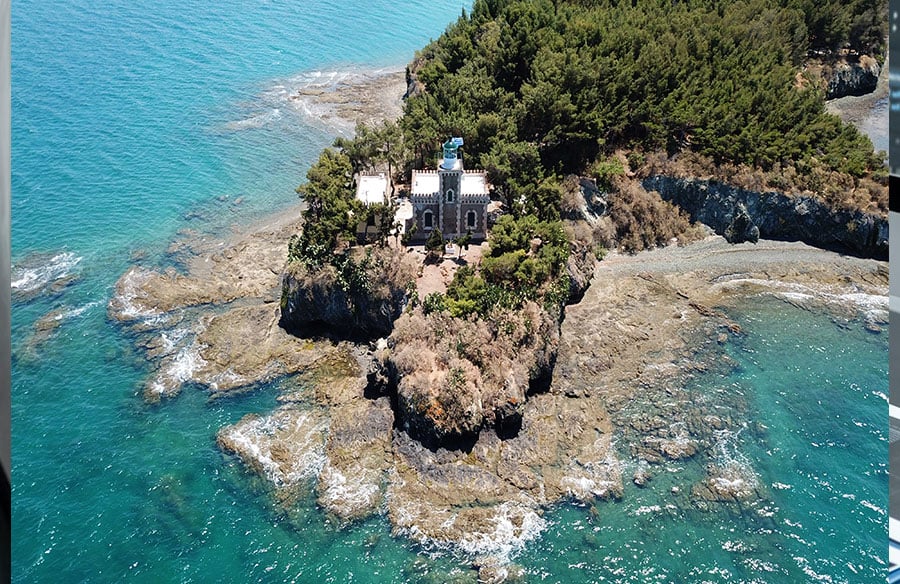
The project that sent search traffic soaring was the island house. Fans have wondered for years exactly where Unspeakable’s island house is located, and the curiosity has become one of the most common questions about the creator .
The concept was straightforward in theory and wild in practice: take an island property and transform it into a fully kitted-out creator destination — gaming spaces, filming zones, outdoor attractions, and accommodation, all wrapped into one location. It’s the natural evolution of a channel that started with digital builds and gradually pushed those ideas into the physical world.
What made it resonate wasn’t just the novelty. It was the logic of it. A single controlled location means no permits to chase, no neighbours to upset, and no limits on what you can build, break, or bounce off.
Why Creators Keep Their Exact Addresses Private
It’s worth being honest about this: you won’t find a street address, and that’s deliberate. Creators with millions of young viewers face real risks — from unannounced visitors to more serious security concerns. Most large channels deliberately blur identifying details, film from consistent angles, and avoid showing exteriors in ways that could be reverse-engineered.
So while the general region is public knowledge, the specifics stay locked down. That’s not evasiveness. It’s basic safety.
The Design Language Fans Actually Want to Copy
Here’s where the search interest gets practical. Most people typing “where does Unspeakable live” aren’t planning a visit — they want the look. And the aesthetic is surprisingly replicable at a smaller scale.
Key themes that run through his spaces:
- Bold primary colour blocking — bright blues, reds, and yellows used confidently rather than timidly
- Playful architecture — slides, climbing features, and unconventional room shapes that treat a home as something to interact with
- Zoned function — distinct areas for gaming, filming, editing, and relaxing, rather than one room trying to do everything
- Durable, wipe-clean surfaces — essential when your content involves slime, water, or several hundred bouncy balls
- Oversized statement features — one enormous focal point per room instead of lots of small decoration
Borrowing the Ideas on a Normal Budget
You don’t need an island. You need a plan.
- Pick one accent wall in a bright colour rather than committing the whole room.
- Add a single interactive element — a hanging chair, a climbing ladder to a loft bed, a pegboard wall.
- Invest in washable paint and sealed flooring if children (or chaos) are involved.
- Define zones with rugs and lighting instead of building walls.
- Go big on one thing. An oversized mural, light fixture, or beanbag beats a shelf of clutter every time.
The Bigger Trend
The fascination with Unspeakable’s home reflects something broader: homes are no longer just places we rest. They’re studios, offices, gyms, and playgrounds. Designing for that multi-purpose reality — flexible, durable, and genuinely fun — is where modern interiors are heading.
Conclusion
Whether you’re dreaming of a full creator-style transformation or just want a room that feels more yours, good ideas matter more than big budgets. Home Comfort Experts is a great place to start — the site covers home design, home decor, and home improvement ideas across everything from colour schemes and lighting to renovation planning and practical maintenance. It’s a genuinely useful resource for turning inspiration you’ve seen on YouTube into something that actually works in your own space.