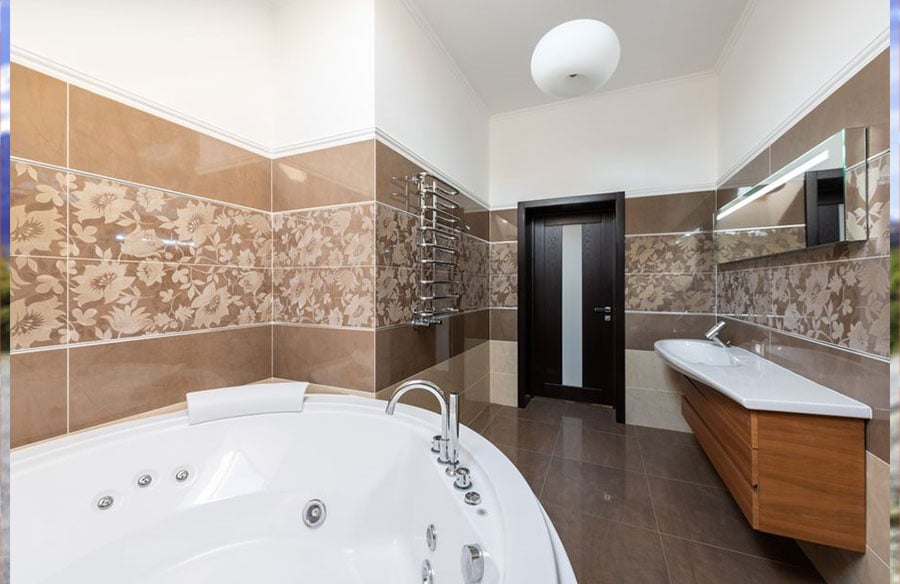
Your bathroom can quietly shape your whole routine. It’s where your day starts half-awake and often ends in a rush. In a place like Greenwich, Connecticut, where older homes, coastal weather, and high property expectations all collide, bathroom design has to do more than look polished. It needs to function well, age gracefully, and handle real life without turning every upgrade into a maintenance headache.
Start With How You Actually Use the Space
A good bathroom plan begins with behavior, not tiles. You need to know who uses the room, when traffic peaks, and what causes daily frustration. A primary bath used by two adults before work has very different demands than a powder room near the entry.
Pay attention to patterns like these:
– Bottlenecks around one sink
– Poor lighting for shaving or makeup
– Not enough storage for products and towels
– Doors or drawers that collide during use
– Wet zones that make cleaning annoying
Designers often call this workflow mapping, which sounds fancy but really means noticing your habits. If you’re considering bathroom remodeling Greenwich has several local experts who can help with everything from layout improvements and fixture upgrades to tile work, storage solutions, and full-scale renovations.
Layout Decisions Matter More Than Trendy Finishes
You can swap hardware later. Moving plumbing lines or rebuilding a cramped footprint is the part that really changes the experience. That’s why layout should carry more weight than whether your faucet finish is brushed brass or matte black.
A few practical layout choices deliver outsized value:
– Double vanities only when clearance allows comfortable use
– Walk-in showers with low thresholds for accessibility
– Toilets placed with visual privacy in mind
– Niches, ledges, and recessed storage built into wet areas
– Clear floor space that makes cleaning easier
In many renovations, the biggest mistake is stuffing in luxury features without checking proportions. A freestanding tub looks great online, then blocks movement in real life like a diva who needs too much stage space. If square footage is limited, built-in solutions often perform better and create a calmer visual field.
Materials Need to Survive Moisture, Cleaning, and Time
Bathrooms are basically controlled humidity zones. Every surface gets tested by steam, splashes, cleaning chemicals, and temperature swings. You want materials that age well, not ones that look tired after a year of enthusiastic use.
Focus on performance before aesthetics alone:
– Porcelain tile resists moisture and wears well
– Quartz counters are durable and easy to maintain
– Solid wood needs careful sealing in humid areas
– Large-format tile reduces grout lines and cleanup time
– Slip-resistant flooring improves safety without looking institutional
This is where many dream boards crash into reality. Marble is beautiful, but it can etch and stain if you’re not ready for ongoing care. High-gloss finishes may show every water spot. Textured tile can add grip, yet some patterns trap grime. The goal isn’t choosing the most expensive option. It’s choosing the one that still works when your bathroom is full of steam and nobody has time for delicate maintenance rituals.
Lighting Should Handle More Than One Mood
Bathroom lighting often gets reduced to one overhead fixture and a hopeful mirror. That setup rarely works. You need layers of light that support grooming, safety, and atmosphere without making the room feel like a hospital corridor.
The most effective strategy includes:
– Ambient light for overall visibility
– Task lighting at the mirror, ideally from both sides
– Accent lighting for niches or architectural details
– Dimmers to shift between bright mornings and calmer evenings
– Warm but accurate color temperatures
A common issue is backlit vanity lighting that looks sleek but leaves shadows on your face. Great for selfies, less great for contact lenses. Side-mounted sconces or integrated mirror lighting often perform better. Natural light helps too, though privacy, orientation, and glazing all matter. In a bathroom, lighting isn’t decoration pretending to be useful. It’s infrastructure.
Storage Works Best When It’s Specific
You probably don’t need more storage in the abstract. You need the right storage for the objects you actually own. Hair tools, backup toiletries, medicine, cleaning supplies, laundry bins, and extra toilet paper all need different homes.
Useful storage usually includes:
– Drawer organizers for small daily items
– Vertical cabinets for tall bottles and tools
– Closed storage to reduce visual clutter
– Open shelves used sparingly for frequently reached items
– Built-in niches where they eliminate countertop mess
Custom storage can dramatically improve smaller bathrooms because every inch gets assigned a purpose. That matters in homes where square footage is valuable and resale expectations are high. A vanity with deep drawers often outperforms one with cabinet doors and a dark cave inside. If you’ve ever crouched on cold tile searching for floss behind a pipe, you already understand the case for better planning.
Ventilation and Waterproofing Are the Quiet Heroes
These are the least glamorous parts of a bathroom renovation, which is exactly why people ignore them until mold, peeling paint, or warped trim show up uninvited. Good ventilation and waterproofing don’t get posted much on social media, but they protect every visible finish you paid for.
Essentials include:
– Properly sized exhaust fans vented to the exterior
– Waterproof membranes behind tile in wet zones
– Sloped shower floors for reliable drainage
– Sealed joints around tubs, showers, and sinks
– Moisture-resistant drywall where appropriate
In coastal Connecticut, humidity and seasonal temperature changes can make these details even more important. A beautiful bathroom with poor moisture control is a short-term victory. The best remodels treat waterproofing like non-negotiable infrastructure. Hidden assemblies may not earn compliments from visitors, but they prevent the kind of expensive surprises that wreck renovation budgets later.
Good Design Balances Personal Taste and Long-Term Value
Bathrooms sit at the intersection of architecture, daily habit, and property value. You want the room to feel like yours, but it also helps to avoid choices that date the space too quickly or narrow future appeal.
That balance often looks like this:
– Classic core finishes with selective bold accents
– Accessible design features integrated subtly
– Quality fixtures from reputable brands with available parts
– Neutral permanent elements paired with changeable decor
– Water-efficient upgrades that cut waste without reducing comfort
If you’re planning for the next decade, think beyond current trends. Curbless showers, better lighting, easy-clean surfaces, and practical storage support both comfort and resale. Design that lasts usually feels calm, coherent, and intentional rather than eager to prove it has personality. The smartest bathroom isn’t the flashiest one. It’s the one that keeps working beautifully after trends move on and your routine changes with time.