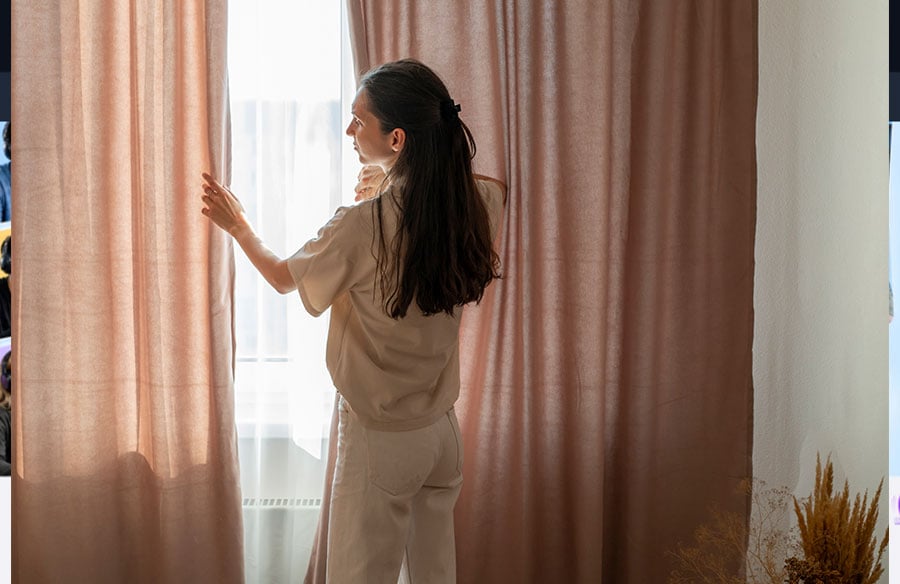
Choosing curtains sounds simple until you see how many styles, fabrics, colours, and lengths are available. What looks perfect in one room can feel out of place in another. And while trends can be tempting, the most useful curtains are the ones that keep working when your furniture or decorating style changes.
This is particularly true in Australian homes, where curtains need to deal with strong sunlight, shifting temperatures, and rooms that serve several purposes. The most versatile styles tend to share a few things: they complement rather than dominate a space, work across different decorating styles, and offer real practical flexibility over time.
Versatility Starts With a Simple Design
A curtain doesn’t need to be plain to be versatile, but overly distinctive designs limit where they work. A simple fabric in a soft neutral shade moves comfortably between contemporary, coastal, traditional, and relaxed interiors, making it easier to update the room later without replacing the curtains too. Think of curtains as part of the room’s foundation rather than its main statement, exactly why understated styles have such staying power.
Neutral Colours Give You More Decorating Freedom
Colour is one of the biggest factors affecting versatility. White, cream, beige, soft grey, and taupe work with a wide range of interiors, and they don’t need to match the walls exactly, a complementary tone often creates a more layered look.
- Warm interiors suit cream, oatmeal, and soft earthy shades that complement timber and warm furnishings
- Cooler rooms suit soft grey, white, or muted blue-grey alongside cooler flooring
- Already colourful spaces benefit from a quieter curtain that prevents visual overwhelm
- Neutral rooms can take a curtain with subtle texture without it becoming the focal point
The aim isn’t perfect colour matching, a curtain becomes more versatile once it can sit comfortably alongside several different palettes.
Fabric Can Change How Flexible a Curtain Feels
Two curtains in the same colour can look completely different because of their fabric. Lightweight linen-look fabrics create a relaxed feel suited to casual interiors, while heavier fabrics feel more formal and often insulate and control light better. Textured materials add interest without relying on bold patterns, and it’s worth weighing appearance against practicality, a curtain that looks great but controls light or privacy poorly eventually becomes frustrating.
Think About Light and Length Together
Natural light can completely change how a curtain looks throughout the day, and strong sunlight can affect how colours read and make rooms uncomfortable in hot weather. This matters particularly for Australian homes.
The Australian Government’s energy guidance notes that up to 40% of heating energy can be lost through windows, and recommends close-fitting curtains or blinds as one way to improve window efficiency. Length matters here too, floor-length curtains create a more finished look and work across bedrooms, living rooms, and open-plan spaces, remaining relevant even as furniture changes, while shorter curtains suit only particular settings. So when comparing styles, think about the window’s direction, how much sun the room gets, and how the curtains will actually hang, not just how the fabric looks in a showroom photo.
Consider How the Room Will Be Used
A curtain that works beautifully in a formal living room may not suit a child’s bedroom or busy family space:
- Living rooms want a balance of natural light, privacy, and visual softness
- Bedrooms need genuine light control and privacy, particularly facing the street
- Home offices benefit from reduced glare near the screen
- Children’s rooms usually call for easy maintenance and durability over decoration
This practical approach keeps curtains useful rather than just good-looking on installation day.
Look for Styles That Can Adapt as Your Home Changes
Homes rarely stay exactly the same, you might repaint, replace a sofa, or move furniture between rooms, and a highly specific curtain style can suddenly feel dated or incompatible after even a small change.
This is where browsing a good starting point if you’re rethinking your curtains can be useful, particularly when comparing how different styles work across bedrooms, living rooms, and other areas of the home. My Direct Blinds provides room-based ideas that help homeowners think beyond a single trend and consider what will work with the space as a whole.
Don’t Forget About Privacy
A versatile curtain should work well throughout the day, allowing plenty of natural light in while still giving you some privacy from outside. Once the sun goes down and the interior lights come on, however, your privacy needs can change considerably. Layering is a simple way to build that flexibility into your window treatment. A sheer curtain can soften the daylight and create a light, airy feel during the day, while a heavier outer curtain can be drawn in the evening for greater privacy, light control, and a more comfortable atmosphere.
Choose Quality Over a Short-Lived Trend
A highly fashionable colour or dramatic pattern may look great today but become harder to work with after a few years, and if you’re replacing curtains throughout a home, that longevity is worth considering. Texture and interesting heading styles can still add personality without locking a room into one trend. A good rule: would you still like the curtains if you changed the sofa or repainted? If yes, you’re probably looking at an adaptable choice.
Order Samples Before Making the Final Decision
Online photographs and showroom displays can’t always show how a fabric will look against your own walls and flooring:
- Check how the colour changes across morning, afternoon, and evening light
- Confirm the texture works with nearby furniture
- Note how much light actually passes through the fabric
A small sample can prevent a surprisingly expensive mistake once the curtains are finally hung.
Conclusion
The most versatile curtain styles aren’t necessarily the ones that attract the most attention, they’re the ones that keep working as your home and decorating preferences evolve. Neutral colours, adaptable fabrics, practical lengths, and understated designs give considerably more freedom than a highly specific trend. Thinking beyond how curtains look today, and considering how well they’ll work with different furniture and future changes, is what turns a simple window treatment into something genuinely worth keeping for years.