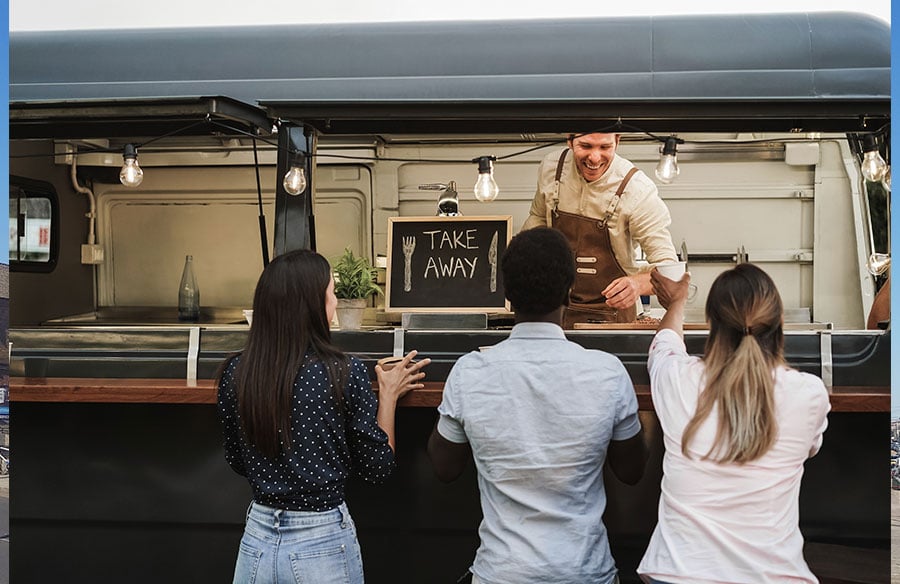
The mobile food business model has become a dynamic model in the food service market. Businesses, including entrepreneurs, existing restaurants and event caterers alike, are beginning to seek alternative methods to feed their customers that aren’t confined to a physical establishment. Mobility allows accessing new audiences, adjusting to varying levels of demand, and engaging in festivals. But it takes more to emerge successful. The design, use, and overall efficiency of a custom food trailer is an important factor in long-term performance.
Work Out the Interior to Run Efficiently
All the square feet in a trailer are important. Host a well-designed work area to enhance workflow, reduce unnecessary movement and ensure consistent service in peak times. The arrangement of equipment should facilitate a sensible flow in the production of packed food, from preparation to serving. The ventilation, refrigeration, storage and sanitation systems should be planned from the start of the design. With careful planning, preparation can be streamlined and food safety standards met.
Selecting the Appropriate Features on a Custom Food Trailer
Investors buying a customised food trailer should start with the menu, not design. The capacity, utility and storage needs of equipment vary with different cuisines. A gourmet coffee trailer, for instance, will be very different from a wood-fired pizza or smoked barbeque trailer. This has become an important factor regarding energy efficiency. Sustainable business practices will be achieved by using less power-consuming equipment, LED lighting, and improving insulation. In turn, opting for versatile equipment enables businesses to tweak their menu as needed and eventually scale up or redesign without having to invest in new infrastructure.
Industry Trends That Impact Mobile Food Operations
Speed, transparency and convenience are emerging as major expectations from customers, and operators are investing in digital ordering, contactless payment integration with their inventory, and other technology innovations to meet them. Another trend which is hugely popular is that of being multi-functional. Furthermore, numerous trailers can be set up to allow for a seasonal menu as well as special events and temporary collaborations with local farmers or restaurants.
This allows companies to be responsive in meeting market demand by responding quickly without the need to move permanent facilities. A greater awareness of the environment has also seen better uptake of recyclable packaging, efficient waste disposal systems and equipment that minimizes energy usage, all of which is a reflection of the wider food service industry’s sustainability targets.
Considerations before Investing
You have to take into account your current needs and future goals when buying a mobile kitchen. Design decisions should be considered; local health requirements, towing, licensing and access to utilities should be taken into account. Use of durable materials, easy access to utility systems and quality finishes make for easier routine servicing and minimize downtime.
A little thought and consideration while planning can save money for maintenance and increase the service life of the trailer. Other factors that business owners should take into account are the expected number of customers, the number of employees and how often they are likely to be coming and going, all of which have an impact on the choice of equipment to use, how much of it to store, and how the equipment is laid out.
Conclusion
A well-thought-out design and user-friendly experience are critical to thriving in the mobile food business. Every decision made during the design of an operation has an impact on the outcome, whether it is to maximize efficiency or choose the appropriate equipment, make sure the design is compliant with regulations or more. By investing the time to work out a custom food trailer design and putting the time into it, companies will stay efficient, be able to change to market demands easily and provide a consistent experience for both the operators and customers.