Solar panel uses for camping and backup power center on one clear benefit: reliable electricity where grid power is limited, unavailable, or temporarily down. For campers, portable solar panels make it easier to charge phones, lights, GPS units, cameras, and small appliances without depending on crowded charging stations or fuel. At home, they add an extra layer of energy security by helping run essential devices during outages when paired with battery storage or a solar generator. Their appeal comes from flexibility, quiet operation, and the ability to harvest power anywhere sunlight is available. Whether the goal is weekend convenience, RV travel support, or emergency preparedness, solar panels offer a practical way to stay connected, powered, and better prepared for changing energy needs in daily life.
 Solar Panel Uses for Camping Adventures
Charging Devices and Running Essential Camping Gear
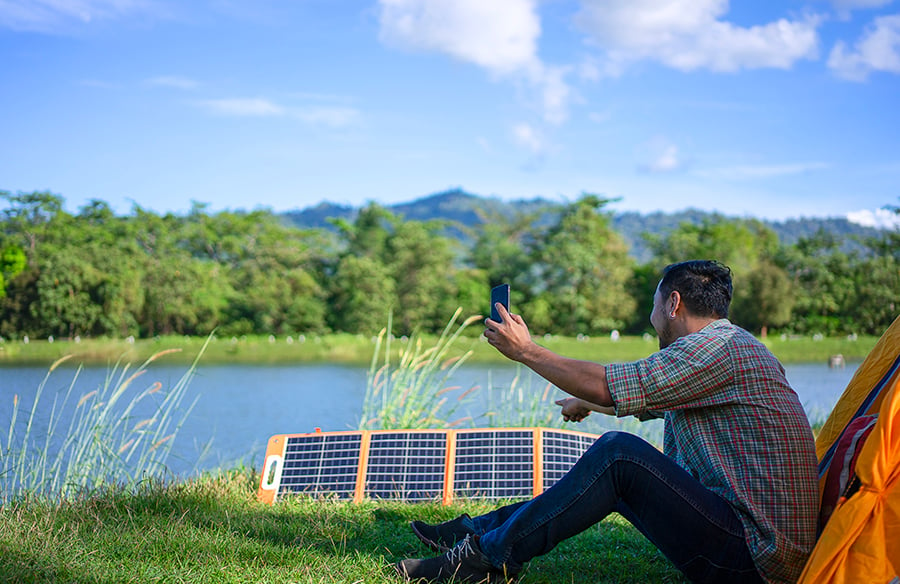
One of the most common solar panel uses while camping is charging the devices and gear people rely on every day outdoors. A portable setup can keep phones, tablets, headlamps, lanterns, GPS units, cameras, rechargeable batteries, and small fans powered through the trip. It also helps run useful items such as portable fridges, air pumps, radios, and water purification tools when paired with a battery pack or solar generator. This makes campsites more comfortable without the noise, fumes, or fuel storage that come with gas-powered equipment. For short stays and minimalist setups, even a compact folding panel can provide enough daytime charging to support essential electronics and maintain access to communication, safety tools, and navigation.
Supporting RV Trips, Outdoor Activities, and Off-Grid Living
Solar panels are especially useful for RV travel, fishing trips, overlanding, cabins, and extended off-grid camping because they provide a steady way to recharge batteries during daylight hours. Instead of relying only on shore power or engine charging, campers can use solar energy to support lights, vent fans, water pumps, communication devices, and small kitchen equipment. This improves flexibility when staying in remote areas for longer periods. Portable panels also work well for day activities such as beach outings, hunting camps, and tailgating, where access to outlets is limited. For people who camp frequently, solar can reduce dependence on disposable batteries and make outdoor power planning simpler, cleaner, and more predictable across changing weather and trip conditions.
Solar Panels as a Backup Power Solution at Home
Keeping Essential Appliances Running During Outages
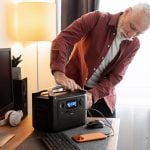
At home, solar panels can serve as a practical backup power source when storms, grid failures, or other disruptions cause outages. When connected to battery storage, they can help keep critical appliances and devices running, including lights, phones, routers, medical equipment, refrigerators, and small fans. This kind of backup power is especially valuable during multi-hour or multi-day interruptions, when maintaining communication and food safety becomes a priority. Unlike fuel-based generators, solar-backed systems operate quietly and do not require gasoline storage or frequent refueling. While they may not run every large household appliance at once, they can cover the most important loads and give households a dependable source of emergency electricity during stressful and unpredictable situations.
Building a More Resilient Home Energy Setup
Using solar panels for backup power also supports a more resilient home energy strategy. Instead of thinking only about emergencies, homeowners can build a system around essential circuits and daily energy priorities. A well-planned setup may include rooftop or portable solar panels, battery storage, and a solar generator for flexible use in different parts of the home. This approach improves preparedness for outages while also creating a reserve power option for remote work, device charging, and temporary equipment use. Over time, it can reduce reliance on a single energy source and strengthen household energy independence. For families in areas with frequent storms or unreliable grids, solar backup adds practical security and greater confidence that key needs remain covered.
How to Choose Solar Panels for Different Power Needs
Matching Solar Panel Capacity With Energy Requirements
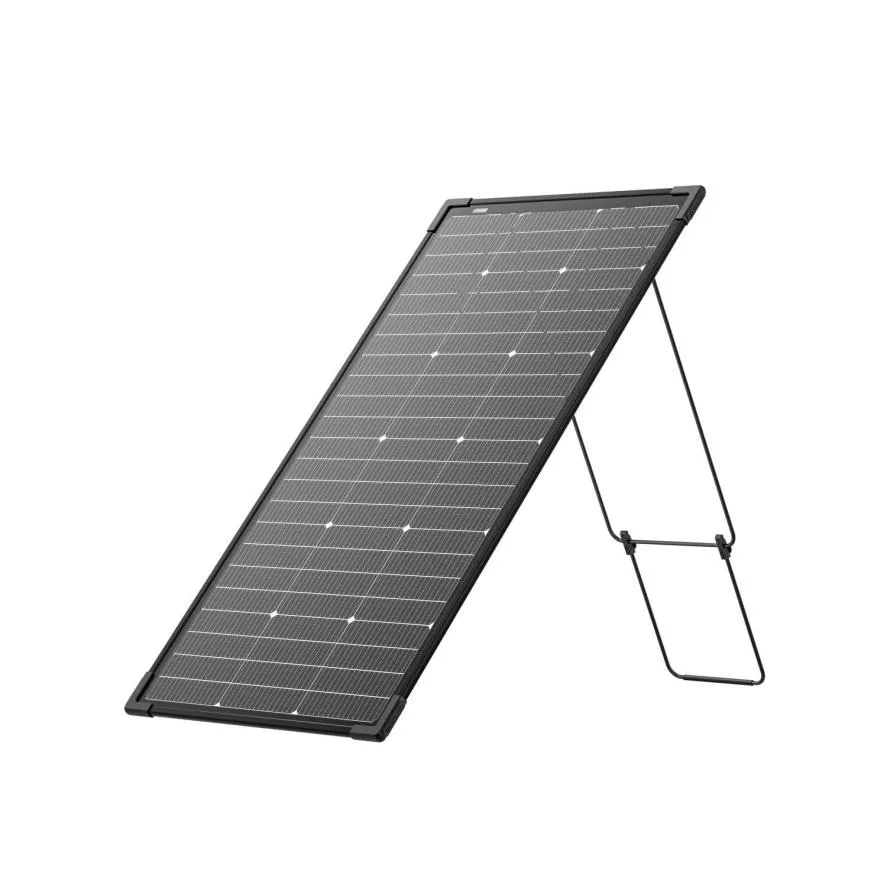
Choosing the right solar panel starts with identifying what needs power and for how long. Small charging needs, such as phones, lights, and USB devices, often require only a compact portable panel. Larger demands, including coolers, CPAP machines, laptops, or backup refrigeration, call for higher-wattage panels and battery storage. The most useful approach is to total the watt-hours required each day, then select panel capacity that can realistically recharge that amount under available sunlight. Users should also consider portability, weight, folding design, durability, and output ports. A camping setup benefits from easy transport, while a home backup setup needs greater generation capacity. Matching panel size to real energy use prevents underpowered systems and unnecessary overspending.
Using Portable Solar Panels With Solar Generators
Portable solar panels work best when paired with solar generators because the generator stores energy for use after sunset and during cloudy periods. This combination creates a practical power system for camping, RV trips, and emergency backup at home. The panel collects sunlight, while the generator supplies AC outlets, USB ports, and regulated DC output for different devices. When choosing a pair, users should confirm charging compatibility, input limits, battery capacity, and expected recharge time. A higher-capacity generator supports longer runtimes, while appropriately sized panels improve daytime recovery. For many people, this setup offers the simplest path to reliable solar energy without permanent installation. It is flexible, quiet, easy to move, and useful across both recreational and emergency situations.
Conclu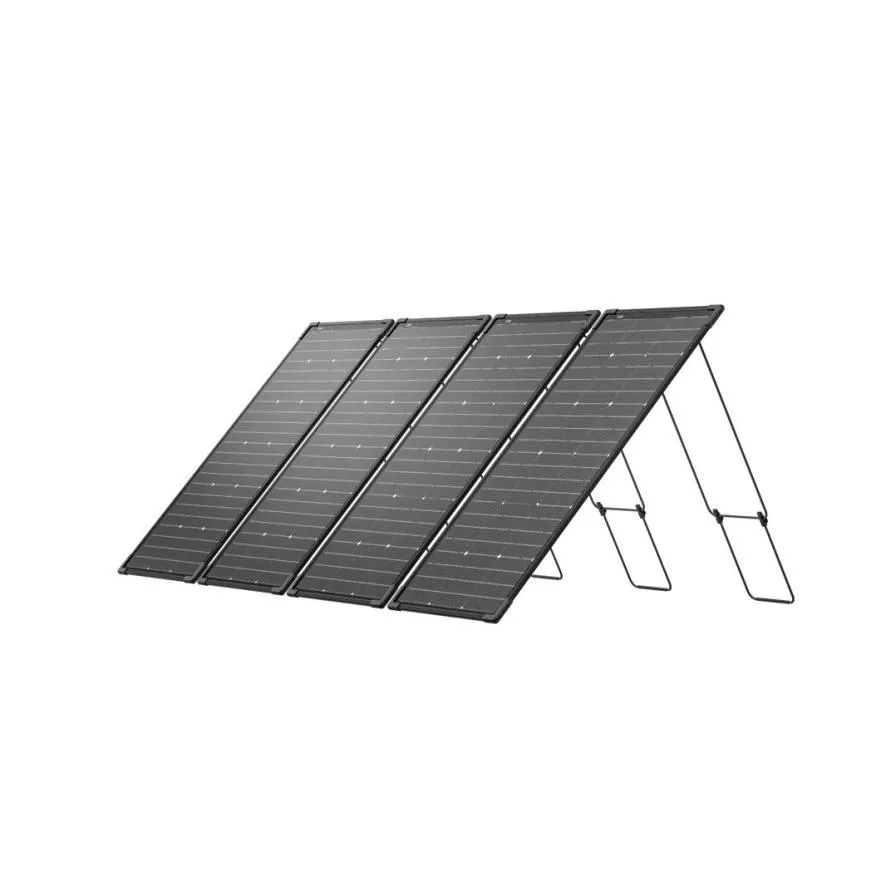 sion
sion
Solar panel uses for camping and backup power are practical, straightforward, and increasingly valuable for people who want dependable electricity beyond the grid. In outdoor settings, they support device charging, lighting, refrigeration, and basic comfort without noise or fuel. At home, they help keep essential appliances and communication tools running during outages and strengthen overall energy preparedness. The key is choosing a system that matches actual power needs, whether that means a small portable panel for weekend camping or a larger setup with battery storage for emergency home use. When paired with realistic expectations and proper planning, solar panels provide flexible, reusable power for both recreation and resilience. That makes them a smart option for staying powered, connected, and prepared in more situations.