Data center campuses were once treated like hidden infrastructure, built mainly for uptime, security, and scale. Today, they are becoming some of the most important built environments in the digital economy.
The shift is being driven by cloud computing, AI, streaming, automation, and the growing need for real-time data. As demand rises, the data center is no longer just a building full of servers. It is a campus, a power strategy, a cooling system, a logistics plan, and a long-term land-use decision.
For architects, developers, utilities, and local governments, this changes the design conversation. The question is no longer, “Where can a data center fit?” The better question is, “How can a data center campus support growth while respecting land, energy, water, and community needs?”
From Single Buildings to Scalable Campuses
Early data centers were often designed as single-purpose facilities. They needed strong floors, backup power, controlled access, and reliable cooling. The focus was on protecting equipment and keeping systems running.
That model still matters, but modern campuses need more flexibility. A single site may include multiple data halls, substations, battery systems, fiber routes, security layers, cooling yards, staging areas, and future expansion zones. This makes campus planning closer to industrial master planning than traditional commercial architecture.
A modern data center construction company must think about the full life of the campus, not just the first building. That includes how new capacity will be added, where power will enter the site, how equipment will move through the campus, and how operations can continue during future construction.
Phasing has become one of the most useful design tools. Instead of building everything at once, campuses are often planned in repeatable blocks. Each block can include power, cooling, and server space that can be delivered as demand grows. This helps reduce wasted space and lets operators respond to changing technology.
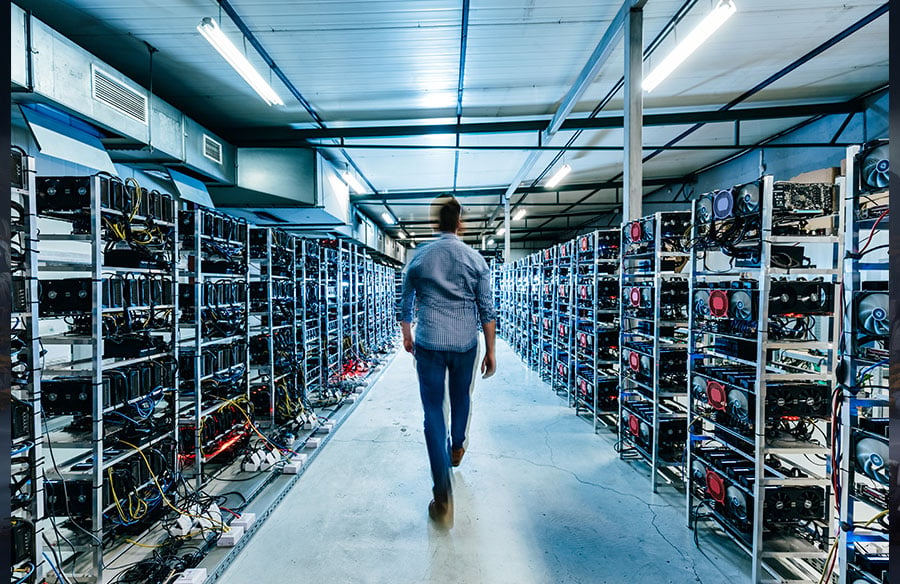
The rise of AI has made this even more urgent. AI workloads can require dense computing environments, which can place more pressure on power delivery and heat management. Designers now need to plan for higher rack densities, heavier equipment, and more advanced cooling from the start.
Power and Cooling Now Shape the Site Plan
Power has become the main driver of data center campus design. In many cases, access to electricity matters as much as access to land. The International Energy Agency estimated that data centers consumed about 415 terawatt-hours of electricity in 2024, accounting for about 1.5% of global electricity use. That demand is expected to keep rising as AI and cloud services expand.
This changes how campuses are selected and designed. Proximity to transmission lines, substations, renewable energy projects, and grid capacity can shape a site’s value. A large parcel with weak power access may be less useful than a smaller site with strong energy infrastructure.
On-site energy systems are also becoming more common. Campuses may include backup generators, battery storage, microgrid elements, or direct connections to power generation. These systems need space, setbacks, noise planning, fuel logistics, and safety zones. As a result, power design is no longer hidden behind the building. It is part of the campus architecture.
Cooling is just as important. Traditional air cooling still works for many facilities, but higher-density computing is pushing more operators toward liquid cooling and hybrid systems. These systems can reduce heat more efficiently, but they change how buildings are laid out. Mechanical rooms, piping routes, heat rejection systems, and maintenance access all need careful coordination.
Water use is another concern. In some regions, evaporative cooling can create tension with local water needs. In other climates, dry cooling or closed-loop systems may be a better fit. The best choice depends on climate, grid conditions, workload type, and local regulation.
Campus design now needs to balance performance with public trust. Communities are paying closer attention to energy use, water use, noise, land consumption, and visual impact. A good design uses setbacks, landscape buffers, quiet equipment, cleaner energy planning, and clear traffic routes to reduce friction with neighbors.
What Future-Ready Campuses Will Need
The next generation of data center campuses will be judged by how well they adapt. Technology changes quickly, and a campus designed for one hardware cycle may need upgrades within a few years. Flexibility is now a core design principle.
That means leaving room for future substations, cooling upgrades, fiber expansion, and additional data halls. It also means using modular layouts that can repeat without making the campus feel chaotic. Clear utility corridors, service roads, and equipment zones can make expansion easier and safer.
Sustainability will also become more central. This does not only mean adding renewable energy credits or efficient equipment. It means designing sites that reduce waste, manage stormwater responsibly, reuse heat where possible, and choose materials with lower embodied impact. In colder climates, waste heat from data centers may even support nearby buildings, greenhouses, or district energy systems.
Resilience is another key factor. Data center campuses must handle storms, heat waves, grid disruptions, supply delays, and security risks. Flood planning, redundant utility paths, fire separation, and climate-aware landscaping all play a role. These details may not be visible from the road, but they determine how well a campus performs under stress.
Building Digital Infrastructure With a Longer View
Data center campus design has evolved from a narrow technical exercise into a major planning challenge. The best campuses now combine architecture, engineering, energy strategy, environmental planning, and community awareness.
As digital demand grows, these sites will become more visible and more important. They will shape power systems, land-use decisions, and regional economic development. A future-ready campus must do more than house servers. It must scale with care, use resources wisely, and fit into the larger physical world that supports the digital one.