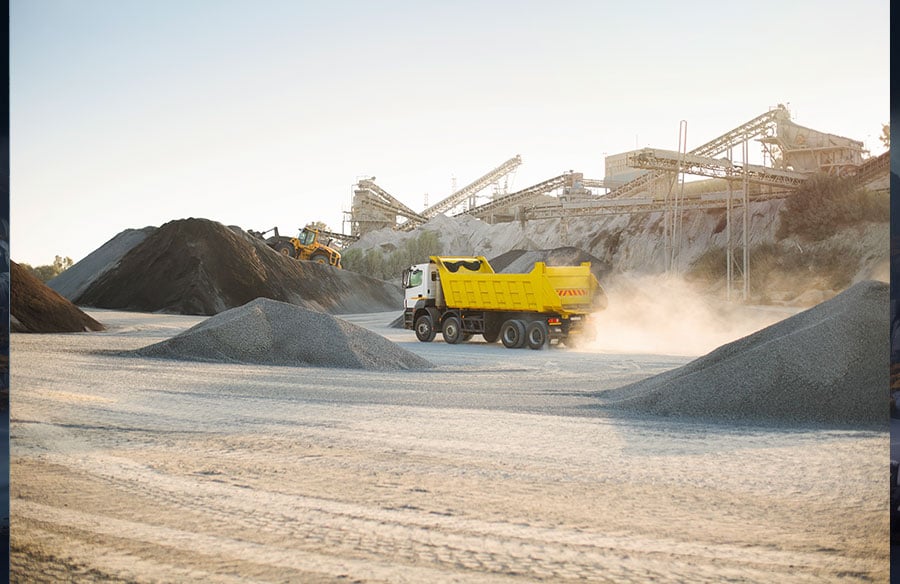
Old asphalt does not always need to end up as waste. In many road and pavement projects, used asphalt can be processed and reused to create valuable construction material. This can reduce waste, save natural resources, and make roadworks more efficient.
However, getting good results from recycled asphalt requires the right equipment, knowledge, and planning. That is why working with an experienced asphalt recycling company can make a major difference.
Better Use of Existing Materials
Road resurfacing and repair work can produce large amounts of removed asphalt. Instead of sending this material to landfill, an asphalt recycling company can process it for reuse.
The recovered material may be crushed, screened, and prepared for suitable applications. This helps contractors get more value from material that would otherwise become waste.
It also reduces the need to rely entirely on newly quarried stone and other virgin resources.
Lower Waste and Disposal Needs
Managing construction waste can take time and money. Material may need to be loaded, transported, and disposed of at an approved location.
Recycling asphalt can reduce the amount of waste leaving a project site.
An experienced company will understand how to handle old asphalt efficiently and identify material that may be suitable for recycling. This can simplify waste management while supporting a cleaner worksite.
More Sustainable Road Construction
Sustainability has become an important goal across the construction industry.
Reusing asphalt supports this goal because valuable materials stay in use for longer. Recycling can reduce demand for virgin aggregates and may also cut some of the transport and processing involved in bringing new materials to a project.
For councils, developers, and civil contractors, this can be a practical way to reduce the environmental impact of road construction.
Reliable Processing and Quality Control
Recycling asphalt is more than simply crushing old pavement.
Material needs to be processed correctly so that it is consistent and suitable for its intended use. Contamination, poor grading, or incorrect processing can affect the final result.
An established asphalt recycling company will have experienced operators and specialised machinery to manage these steps. Good quality control also helps ensure recycled materials meet the requirements of the project.
Potential Project Cost Savings
Recycling can also make financial sense.
When suitable asphalt is recovered and reused, projects may reduce the amount of new material they need to purchase. There may also be savings related to waste transport and disposal.
The exact savings will depend on the project, location, material condition, and recycling process. Still, experienced recycling professionals can help identify where recycled asphalt offers the most value.
Experience Makes Planning Easier
Every project is different. A small car park upgrade has different needs from a major road rehabilitation project.
An experienced recycling team can assess the material, recommend an appropriate process, organise equipment, and coordinate recycling with the wider construction schedule. This knowledge can help avoid unnecessary delays and keep operations moving smoothly.
Turn Old Asphalt Into a Useful Resource
Asphalt recycling offers a practical way to reduce waste while making better use of existing construction materials.
Choosing an experienced asphalt recycling company gives contractors access to the right machinery, skilled operators, quality control, and practical advice. The result can be a more efficient project with less waste, smarter resource use, and a stronger approach to sustainable road construction.