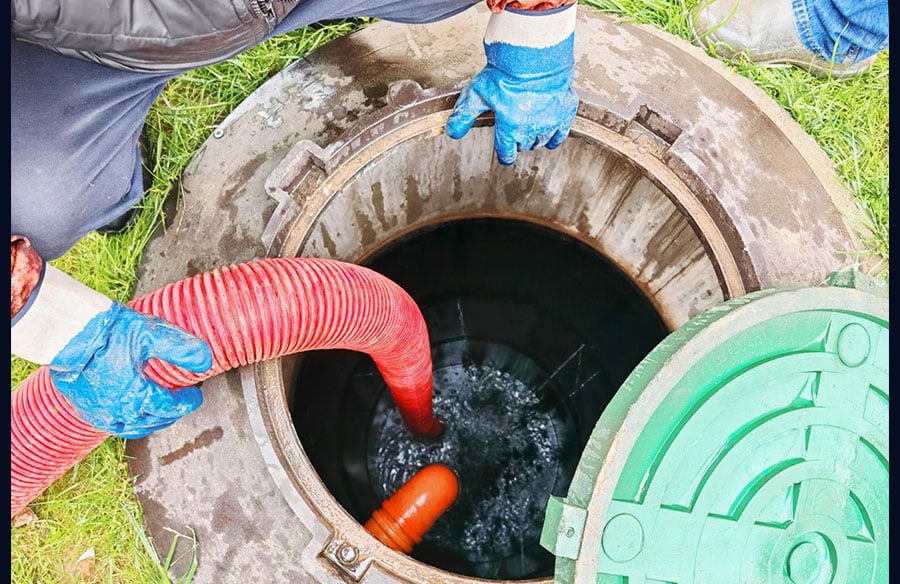
Quick answer: Septic system maintenance means pumping your tank every three to five years, cleaning the effluent filter, protecting the leaching bed, and watching what goes down your drains. In Ontario, maintenance is the homeowner’s responsibility, and staying on schedule can extend a system’s life by decades while avoiding replacement costs that often run well past $20,000.
If your home is not connected to a municipal sewer, your septic system quietly handles every drop of wastewater you produce. It works around the clock, it never complains, and that is exactly why most homeowners forget it exists until something goes wrong. Here is the truth from people who dig these systems up for a living: almost every expensive septic failure starts as a small, preventable maintenance issue.
This guide walks you through everything you need to know about septic system maintenance in Ontario, in plain language, so you can protect one of the most expensive components buried on your property.
What Is Septic System Maintenance?
Septic system maintenance is the routine care that keeps a private wastewater system working pumping the tank on schedule, cleaning the effluent filter, inspecting tank components, protecting the leaching bed, and managing household water habits. Think of it the same way you think about oil changes for your vehicle. The work itself is simple and inexpensive. Skipping it is what gets costly.
A conventional system has two main parts. The septic tank separates solids from liquids and gives bacteria time to break waste down. The leaching bed, sometimes called the drain field, disperses the treated liquid into the soil for final filtration. Maintenance protects both, but the leaching bed is the part you really want to keep healthy, because it is the most expensive part to replace.
How Often Should You Pump Your Septic Tank in Ontario?
This is the question septic contractors hear most, and the answer comes straight from provincial requirements. Under the Ontario Building Code, a septic tank needs to be pumped once accumulated sludge and scum occupy one third of the tank’s working capacity. For a typical Ontario household, that works out to every three to five years.
Not when you remember. Not when something smells. Every three to five years, on a schedule.
Here is why the schedule matters so much. When solids build up past that one third mark, they begin flowing out of the tank and into the leaching bed. Once solids clog the bed, no amount of pumping fixes it. That is the difference between a few hundred dollars for routine pumping and a full bed replacement.
A few factors can shorten your interval:
- More people in the home means more wastewater and faster sludge accumulation
- Garburators add significant solids and can cut your pumping interval considerably
- Undersized or older tanks fill faster than modern ones
- Heavy water use from frequent laundry, long showers, or leaky fixtures pushes solids through the tank before they can settle
The Government of Ontario publishes homeowner resources on how septic systems work and why maintenance protects both your wallet and local water quality. You can find them at ontario.ca/page/septic-systems.
Your Septic Maintenance Checklist
Good septic care is mostly about habits. Here is what experienced septic contractors tell every client, whether they are on a brand-new system or one installed 40 years ago.
Do These Things
- Pump your tank every three to five years and keep the receipts as service records
- Have a licensed technician inspect the system when it is pumped, including baffles, lids, and the effluent filter
- Install and clean an effluent filter to keep solids out of the leaching bed
- Keep an as built diagram of your system so you always know where everything is
- Divert roof water, sump discharge, and surface runoff away from the leaching bed
- Fix dripping taps and running toilets promptly, because constant flow overloads the system
- Spread laundry loads across the week instead of doing them all in one day
Avoid These Things
- Never flush wipes, even the ones labelled flushable, along with tampons, dental floss, or paper towel
- Never pour grease, solvents, paints, or harsh antibacterial cleaners down the drain, since they kill the bacteria, your tank depends on
- Never drive or park vehicles over the tank or leaching bed, which compacts soil and crushes pipes
- Never plant trees or deep-rooted shrubs near the bed, because roots seek out the moisture and invade pipes
- Never build decks, sheds, or pools over any part of the system
The Federation of Ontario Cottagers’ Associations keeps an excellent plain language septic resource, including a widely viewed homeowner video, at foca.on.ca/septic-systems. The Ontario Onsite Wastewater Association at oowa.org also maintains homeowner guides and a directory of qualified septic professionals across the province.
Warning Signs Your Septic System Needs Attention
Septic systems rarely fail without warning. They tell you, quietly at first, then loudly. Call a professional right away if you notice any of these:
- Drains running slowly throughout the whole house, not just one fixture
- Gurgling sounds from toilets or drains after water use
- Sewage odours inside the home, near the tank, or over the bed
- Grass over the leaching bed that is greener, taller, or soggier than the rest of the lawn
- Standing water or spongy ground near the tank or bed
- Sewage backing up into tubs, showers, or floor drains
That last one is an emergency. Stop running water immediately and call for service. A backup is unpleasant, but the real risk is untreated sewage reaching your well or nearby surface water.
What Does Professional Septic Maintenance Include?
A proper maintenance visit is more than a pump truck and a hose. When an established provider such as Allto Construction, which has maintained septic systems across South Central Ontario since 1969, services a system, the work includes:
- Locating and safely opening the tank access
- Measuring sludge and scum levels to confirm the right pumping interval for your household
- Fully pumping the tank, including breaking up and removing the scum layer
- Cleaning the effluent filter and confirming the outlet baffle is intact
- Inspecting lids, risers, and tank walls for cracks or settling
- Checking the leaching bed area for odours, saturation, or surfacing effluent
- Documenting everything so you have a service record for insurance, resale, or municipal re inspection programs
If you have an advanced treatment unit such as a Waterloo Biofilter, EcoFlo, Bionest, or Norweco system, the Ontario Building Code requires ongoing service by a qualified provider, typically on an annual maintenance agreement. These units treat wastewater to a higher standard, and they only keep doing that when they are serviced on schedule.
Worth knowing: septic construction is regulated under the Ontario Building Code, but ongoing maintenance is entirely the homeowner’s responsibility, and some Ontario municipalities now run mandatory septic re inspection programs, often on a five year cycle. Having clean service records makes those inspections painless.
Why Regular Maintenance Saves You Serious Money
Let us put real numbers behind the advice. Routine pumping costs a few hundred dollars every few years. A neglected system that pushes solids into the leaching bed can require a full bed replacement, and with excavation, materials, engineering, and permits, replacement projects commonly run from twenty thousand dollars to well beyond that, depending on your lot and soil conditions.
A well-maintained conventional system can serve your home for twenty-five to forty years. A neglected one can fail in ten to fifteen. The maintenance schedule is the single biggest factor separating those two outcomes, and it is the one factor completely within your control.
There is also a property value angle. Buyers and their lenders increasingly request septic system records and inspections during rural home sales. A documented maintenance history protects your sale price. A mystery system with no records invites price negotiations, holdbacks, or conditions.
Frequently Asked Questions
How do I find my septic tank?
Start with your property’s original permit drawings, available from your municipality or local health unit. The tank is usually within a few metres of where the main drain exits the house. A septic professional can locate it quickly with a probe or flushable transmitter, and installing risers during your next pump-out makes every future visit faster and cheaper.
Should I use septic additives?
A healthy tank does not need them. The bacteria that break down waste arrive free of charge every time you flush. Your money is better spent on regular pumping and an effluent filter. No additive on the market can dissolve a sludge layer that should have been pumped out.
Can I pump my tank less often if I use it lightly?
Possibly, and that is exactly what sludge measurements are for. A technician can measure your actual accumulation and set a schedule based on evidence rather than guesswork. Seasonal properties often stretch to longer intervals, but only a measurement can confirm it.
Does heavy rain affect my septic system?
It can. A saturated leaching bed has nowhere to send water, which is why systems often struggle during spring melt or extended wet weather. Diverting downspouts and surface water away from the bed, and easing up on laundry during the wettest stretches, gives your system the breathing room it needs.
Keep Your System Healthy for Decades
Septic system maintenance is not complicated. Pump on schedule, protect the bed, watch what goes down the drain, and bring in licensed professionals for inspection and service. Do those four things and your system will quietly do its job for decades.