Fresh paint is one of the simplest ways to refresh an older house, but in a home built before the 1960s the layers underneath can matter as much as the colour going on top. Lead-based paint is still present in a large share of Toronto’s housing, and the way a repaint is prepared decides whether it stays safely sealed away or ends up as dust on the floor.
How many Toronto homes are in the risk window
Health Canada is direct about the dates. Its guidance on lead-based paint says a home built before 1960 probably contains it. Houses built between 1960 and 1990 may have lead in exterior paint, and interior paint from that period may contain smaller amounts. Homes built after 1990 should generally be free of it.
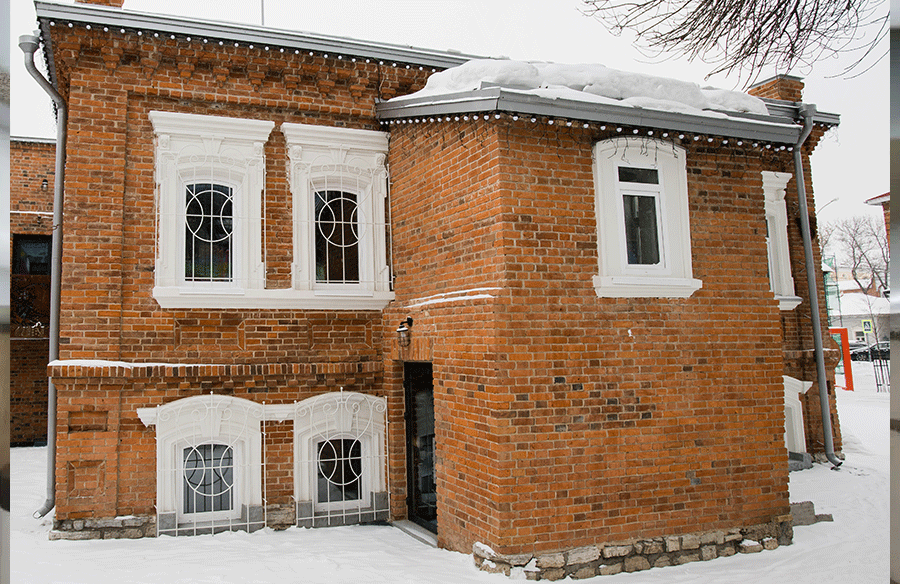
In Toronto, that covers a lot of addresses. A City Planning backgrounder on the 2021 Census shows that 29% of the city’s households, roughly 340,000, live in dwellings built in 1960 or earlier. Another 29% live in buildings from 1961 to 1980. The semi-detached homes of the Danforth, the brick houses of Leslieville and the Junction, and many of the bungalows in East York and Etobicoke fall squarely in that range.
Intact paint is not the problem; disturbed paint is
Lead paint that is in good condition and covered by newer coats poses little day-to-day risk. Health Canada describes it as a serious hazard when it is chipping, flaking or within reach of children. Friction surfaces are a particular concern: window sashes, doors that rub against their frames, stair treads and railings all wear through the top coats over time and release fine particles.
Repainting becomes risky at the preparation stage. Scraping loose paint, sanding to feather an edge or stripping a door all have the potential to turn old layers into dust that settles on floors, sills and furniture. The people most affected are those who absorb lead most easily. Health Canada notes that children face the greatest risk because they are growing and absorb lead readily, and it advises keeping pregnant women away from the work area.
Testing before you plan the job
If your home is old enough to qualify, testing before any significant prep work is sensible. Health Canada describes two options: sending paint chip samples to a laboratory, or hiring a contractor with proper x-ray equipment that can detect lead on painted surfaces.
Testing does not need to cover every wall. The most useful places to sample are the surfaces that will actually be disturbed, such as original trim and baseboards, window frames, doors, plaster walls with visible chipping, and exterior siding or soffits that need scraping.
Prep methods that keep dust contained
When lead is confirmed or assumed, the job changes in a few important ways. The aim is to stabilize and seal rather than strip back to bare surfaces wherever possible.
- No dry power sanding, heat guns or torches. Health Canada specifically warns that these create toxic lead dust and fumes. A chemical stripper paste is the safer option where removal is unavoidable.
- Containment. Rooms are sealed with plastic sheeting, floor coverings run past the work area, and vents are covered so dust does not travel through the house.
- Ventilation and protection. The federal guidance recommends good ventilation, with a fan blowing air out an open window, along with goggles, gloves and a good-quality respirator for anyone doing the work.
- Daily cleanup. Work areas should be cleaned thoroughly at the end of every day, with debris sealed in a container labelled as hazardous waste and disposed of according to municipal rules.
Sometimes the simplest solution is to leave old paint alone. Health Canada points out that covering lead-painted areas with wallboard or panelling provides extra security, and stable, well-bonded paint can often be cleaned, lightly scuffed by hand and sealed under a quality primer instead of being stripped.
Interior and exterior jobs need different plans
Inside, the main concern is dust settling where people live. Living rooms, bedrooms and staircases are the spaces families use most, so containment and cleanup carry the most weight. Window wells and sills deserve special care because that is where dust from friction surfaces accumulates.
Outside, the risk shifts to soil. Paint chips that fall from scraped siding, porches and eaves end up in garden beds and play areas. Ground sheets beneath the work area, careful collection of chips and a final sweep of the surrounding soil all matter more than they would on a newer house. Because exterior paint from as late as 1990 may contain lead, owners of 1970s and 1980s homes should not assume they are in the clear for outdoor work.
Questions to ask before work starts
Experienced Toronto painters who work in older neighbourhoods will usually bring up the age of the house during the estimate. If they do not, raise it yourself. Ask how they plan to prepare surfaces that may contain lead, what containment and cleanup they use, whether they will recommend testing, and how they will dispose of debris. A clear, specific answer tells you far more than a low price.
Keep a record for the next job
Once testing is done, keep the results with your house documents and note which rooms and surfaces came back positive. Future painters, renovators and buyers will all want that information, and having it on hand means the next repaint, kitchen update or window replacement can be planned properly from the start instead of discovered halfway through.