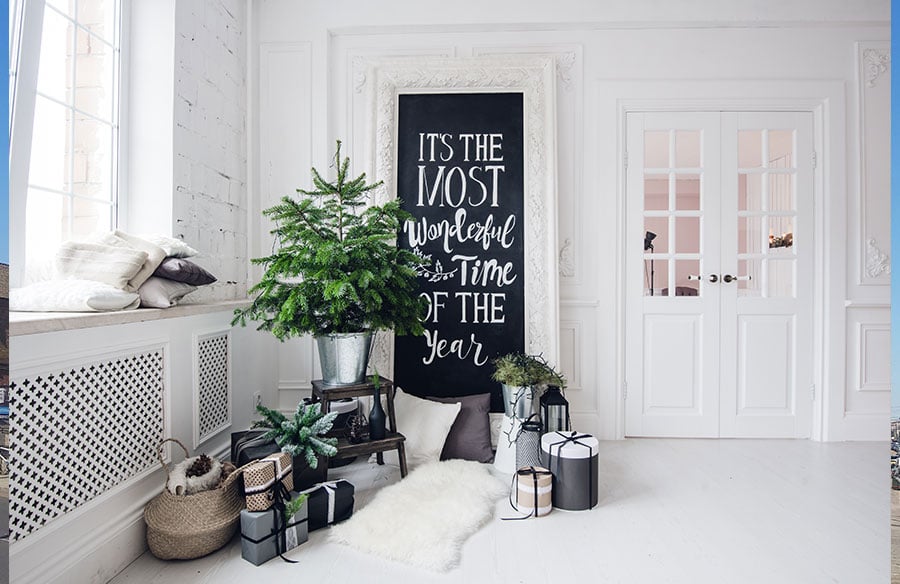
For about a decade, the aspirational home had one job. Look flawless in a photograph.
Every surface styled. Every cushion karate-chopped. Every corner filled, color-matched, and lit for the camera. It was a look built to be scrolled past and admired. And for a while, almost everyone wanted a piece of it.
That era is fading now. The interesting part is why.
The polished, camera-ready interior was never a timeless standard. It was a trend, same as any other. It had a start, a peak, and now a long slow decline. What’s coming up behind it is the opposite instinct. Rooms that look lived in. Materials that show their age instead of fighting it. Pieces that carry a bit of history rather than hiding it away.
Designers have a shorthand for this. Some of them call it perfectly imperfect. But the idea underneath it is much older, and it comes from Japan.
What This Changes for the People Who Design Homes
Here’s the part that matters for the industry, and not just for the mood board.
When perfection is the goal, design turns into a matter of getting everything flawless and perfectly matched. It’s expensive. It’s exacting. And it’s more than a little intimidating for anyone who isn’t already sure of their own taste. When the goal shifts toward honest and personal instead, the whole thing opens up.
Justin Orton, the designer behind Nashville’s Of Origin Design Studios, has watched this brief change in real time. He describes a clear move away from “overly polished and overly styled interiors and toward spaces that feel grounded and tactile.” His own work leans heavily on Japanese craftsmanship, and he frames the change as less about how a room looks and much more about how it feels to live in day to day.
That reframing does something bigger than it first appears. It lowers the barrier.
A perfect room is a high-wire act. One wrong step and the whole effect collapses. A room that’s meant to feel personal and lived in is more like a conversation. And conversations are a great deal easier to start than high-wire acts.
This is why the imperfect turn is doing more than swapping out what hangs on the walls. It’s changing who feels allowed to care about design in the first place.
The old assumption ran like this. Hiring a designer meant signing up for something expensive and exacting, a service reserved for people with big budgets and even bigger houses. The imperfect shift chips away at that idea, piece by piece. When the aim is simply a home that feels like you, the real value of a good designer stops being about polish. It becomes about helping you make confident, personal choices, and steering you clear of the costly mistakes before you ever make them.
That, as it happens, is the case finding an interior designer makes far better than it used to, according to InteriorNet, a UK platform that matches homeowners with vetted interior designers for their budget. As the platform puts it, most people assume design help means chasing a flawless look. The reality is closer to the opposite. A lot of the best help is about editing, about restraint, and about knowing exactly what to leave well alone.
Which is a very wabi-sabi idea, whether or not anyone in the room ever says the word out loud.
The Philosophy Doing the Heavy Lifting
Wabi-sabi is a Japanese aesthetic that finds beauty in imperfection, in impermanence, and in the marks left behind by time. A cracked bowl. A wooden table left with all its knots and grain still showing. A linen throw that wrinkles the second you touch it.
None of that is about damage. It’s about honesty.
A wabi-sabi room doesn’t ask you to build something faultless. It asks for something true instead. The scratch on the old table isn’t a flaw to sand away. It’s evidence that the thing has been used, and lived with, and loved. That uneven glaze on a handmade mug is proof a person made it, and not a machine.
This is where the shift gets more serious than a passing color story. What’s really changing is what people want a home to feel like when they walk into it. After years of interiors that looked like showrooms, a lot of us have grown tired of spaces that seem faintly afraid of real life.
You can see it in the materials winning right now. Unpolished stone. Unlacquered metal, the kind that will patina over the years. Plaster with texture in it. Wood with real variation, knots and all.
And you can see it in the comeback of handmade ceramics. The wonky, sculptural, genuinely irregular kind, the sort no factory production line would ever sign off on. Each piece carries a small human fingerprint. That, in the end, is the whole appeal.
The Trend That Refuses to Date
There’s one more reason this isn’t going anywhere in a hurry.
Perfect ages badly. The flawless, of-the-moment interior tends to be the first thing to look tired, precisely because it was pinned so tightly to a single moment. The imperfect room does the reverse. It’s built from things that were already a little worn, already a little irregular, already carrying some history of their own. Time doesn’t wreck them. For these pieces, time was rather the entire point.
So the polished look will keep cycling in and out, the way every trend before it has. But the pieces that show their age were never really chasing the trend to begin with. A live-edge shelf. A hand-thrown bowl with a thumb-print still in the clay. A rug that fades a shade more with every passing year. None of these go out of fashion, for the simple reason that they were never trying to be in it.
And that’s the small joke sitting right at the center of all this.
We spent the better part of ten years treating perfect as the safe standard and imperfect as the risk. It was the other way around the entire time.
The homes that will still feel good to be in twenty years from now aren’t the ones that photographed best on a screen. They’re the ones that were given permission to be a little bit human.