For years, outdoor lighting was mostly simple. A fixture was either on or off, and the light usually stayed in one fixed shade of white. That was enough for basic visibility, but it left little room for mood, seasonal changes, outdoor entertaining, or architectural detail.
Smart RGBWW outdoor lighting changes that. By combining red, green, blue, warm white, and cool white LEDs, one fixture can do more than create colorful effects. It can provide soft, warm light for everyday evenings, richer tones for parties, clearer light for security, and different scenes for patios, gardens, pool areas, hotels, and restaurants.
This is where smart low-voltage landscape lighting becomes more than decoration. It gives outdoor spaces a way to change with the moment.
What RGBWW Adds to Outdoor Lighting
RGBWW stands for red, green, blue, warm white, and cool white. Compared with basic RGB lights, its biggest advantage is that it can create both vibrant color effects and high-quality, usable white light.
That matters in outdoor spaces. A patio or garden path often needs natural white light for daily use, not strong color every night. However, true versatility requires two types of white:
- Warm White (2700K-3000K): Brings out the natural beauty of wood, stone, and foliage, creating a cozy, welcoming atmosphere for lounge and dining areas.
- Cool White (5000K-6500K): Provides high-contrast, crisp visibility. It is ideal for security, dark driveways, highlighting modern architectural lines, or making a water feature look icy and brilliant.
From Fixed White Light to Scenes That Match the Night
Traditional landscape lighting is usually designed around one setting. The lights turn on at dusk, stay at the same brightness and color all evening, and turn off later. That works for basic visibility, but it does not match how people actually use outdoor spaces.
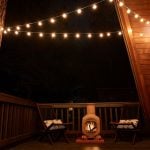
A patio may start the evening as a dining area, with warm white light around the table and softer path lighting leading from the house. Later, when guests move toward the pool or garden, the same lighting system may shift to a lower brightness, with subtle color added near a tree, water feature, or stone wall. Near the end of the night, the entrance and driveway may need stronger light again for safety.
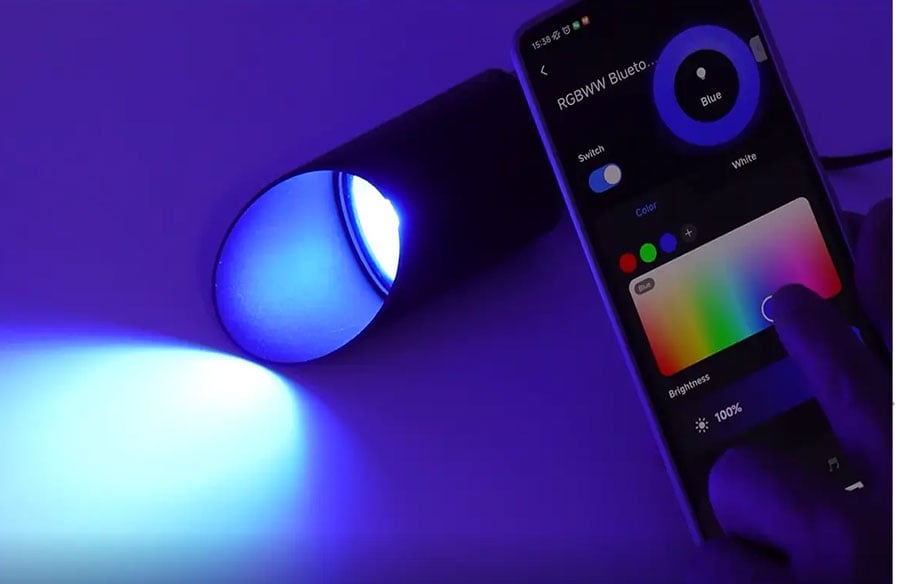
This is where smart RGBWW outdoor lighting becomes useful. Instead of changing fixtures or adjusting each light manually, users can create scenes through app control, Wi-Fi, Bluetooth Mesh, or Tuya-compatible systems. Brightness, color temperature, RGB color, timing, and zones can be adjusted from one place.
Space does not need to look colorful all the time. Most nights, warm white may still be the main setting. RGBWW simply gives the lighting more range when the activity, mood, or security needs change.
Where RGBWW Lighting Works Best Outdoors
RGBWW lighting does not need to appear everywhere in a landscape. It works best in areas where color, dimming, or mood changes can add something useful: around water, feature walls, mature trees, entertainment zones, and commercial outdoor spaces.
| Outdoor Area | Best Use of RGBWW Lighting | What to Avoid |
| Patio or outdoor lounge | Use warm white for daily seating, with soft color accents for gatherings | Avoid strong colors directly over dining tables |
| Garden path | Keep guidance low and mostly white, with adjustable brightness | Avoid turning the whole walkway into a colored strip |
| Trees and planting | Use warm white, amber, soft green, or seasonal tones on selected focal trees | Avoid lighting every plant in a different color |
| Pool or water feature | Add subtle color reflection on water and nearby surfaces | Avoid overly bright colors that make the pool area feel artificial |
| Restaurant terrace | Shift from brighter daytime settings to warmer evening scenes | Avoid one fixed brightness for every service period |
| Hotel courtyard | Use zones for arrival, seating, garden features, and event areas | Avoid making all areas change color at once |
For residential spaces, RGBWW works best when color is used as an accent rather than the main effect. A patio can stay warm and comfortable most of the time, while a tree, wall, or water feature carries a softer color change in the background.
For commercial spaces, the value is more about flexibility. A restaurant terrace, hotel courtyard, or resort garden may need to feel bright and welcoming early in the evening, then warmer and more relaxed later at night.
Use Warm White as the Base, Color as the Accent
RGBWW lighting can easily look overdone if every fixture is set to color. In most outdoor spaces, especially patios, gardens, paths, and dining areas, warm white should still be the main layer.
Warm white is easier to live with. It keeps seating areas comfortable, makes stone and wood look natural, and helps people move through the space without feeling like they are walking through a staged event. It also works better for everyday use, when the goal is to make the outdoor area feel calm and usable after dark.
Color should be placed where it adds a clear effect. A soft amber tone can warm up a stone wall. A gentle green can support planting. Blue or violet may work near a pool, water feature, or lounge area. Strong color is usually better kept away from dining tables, faces, and main walking paths.
A simple rule is to let warm white handle the space people use most, and let color appear in the background, on focal points, or during special scenes.
Final Thoughts
Smart RGBWW lighting is about flexibility, not flashiness. It allows a single property to adapt to the rhythm of daily life—providing safety and comfort with quality white light, while offering the creative freedom of color when the occasion calls for it.
When designing your landscape, let functional white light do the heavy lifting and use color as a strategic accent. With reliable smart controls and a weatherproof low-voltage setup, your outdoor space will seamlessly match any mood, season, or event.