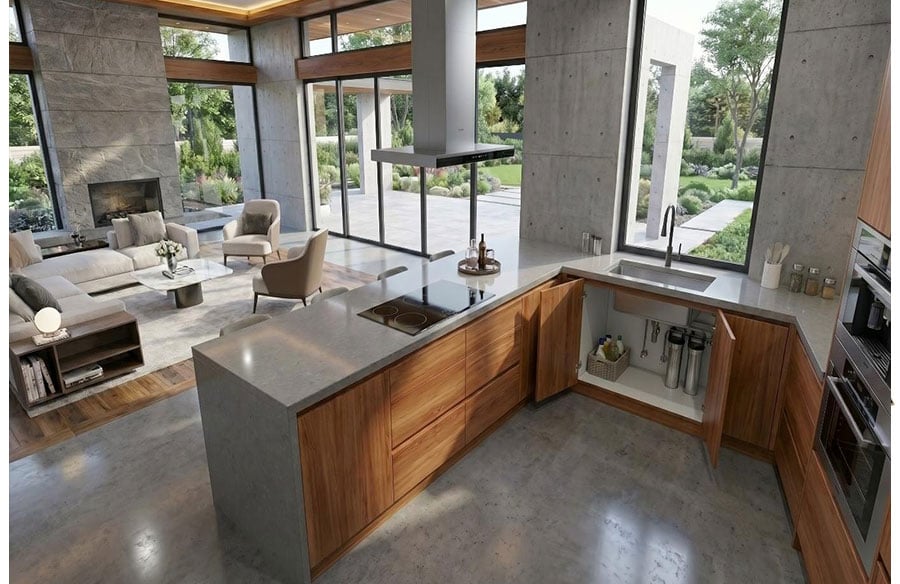
The modern kitchen has evolved far beyond being a place to prepare meals. Today, it’s often the centerpiece of the home—a carefully designed space that balances aesthetics, functionality, and sustainability. Homeowners and architects alike are embracing materials and products that are built to last, minimize waste, and integrate seamlessly into contemporary interiors.
While cabinetry, countertops, and energy-efficient appliances usually receive the most attention, one important element is often overlooked: drinking water. Choosing the right water filtration system can support a cleaner kitchen design while contributing to a more sustainable lifestyle.
Hidden Solutions for Clutter-Free Design
Minimalist kitchens continue to dominate residential architecture, with designers favoring clean countertops, integrated appliances, and concealed storage. Small appliances and countertop water filters, while practical, can interrupt the visual flow of an otherwise streamlined space.
This is one reason many homeowners are turning to water filter systems for under the sink. Installed discreetly inside the kitchen cabinet, these systems preserve valuable countertop space while providing filtered water directly through the existing kitchen faucet. Because the filtration components remain hidden, the overall design remains clean and uncluttered without sacrificing convenience.
For architects and interior designers, under-sink filtration also offers greater flexibility when planning contemporary kitchens, allowing water treatment be integrated into the home’s infrastructure rather than a visible accessory.
Durability Is an Essential Part of Sustainability
Sustainability isn’t only about reducing waste—it’s also about selecting products that are built to perform reliably for many years. Long-lasting materials reduce the need for replacement, lowering the environmental impact associated with manufacturing and disposal.
When evaluating a household water filter system, construction materials deserve as much attention as filtration performance. Stainless steel housings, braided stainless steel hoses, and corrosion-resistant components generally provide greater durability than plastic alternatives, particularly in environments with seasonal temperature fluctuations.
A well-built filtration system becomes a long-term investment rather than a disposable product, aligning with sustainable building practices that prioritize longevity and resource conservation.
Better Water Without Removing Beneficial Minerals
Many homeowners assume all water treatment systems work the same way, but different technologies produce very different results.
Some filtration methods remove a broad range of substances but also strip away naturally occurring minerals. Carbon-based filtration systems, by contrast, are designed to target unwanted contaminants while preserving beneficial minerals such as calcium and magnesium that contribute to water’s natural taste.
For households seeking a practical under the sink water filtration system, this balance between contaminant reduction and mineral retention can offer an appealing alternative for everyday drinking and cooking.
Supporting Healthier Indoor Living
Healthy building design increasingly considers indoor air quality, natural lighting, and water quality together. Clean drinking water has become another component of creating healthier living environments.
Advanced carbon block filtration technologies are capable of reducing a wide range of contaminants commonly found in municipal water supplies, including chlorine, volatile organic compounds (VOCs), heavy metals, bacterial cysts, and PFAS forever chemicals. Some specialty filter media can also address chloramine, a disinfectant now used by many municipalities because it remains stable longer than chlorine.
For homeowners renovating older kitchens or building new homes, selecting a high-performance home water filtration system helps improve everyday water quality without requiring any plumbing modifications.
A Practical Example of Modern Under-Sink Filtration
One example of this design philosophy is the AquaReveal® under-sink filtration system from AquaRenaissance.
Rather than requiring a separate drinking-water faucet or countertop unit, it connects directly to an existing kitchen faucet and arrives pre-assembled, with straightforward installation requiring no drilling or specialized tools.
Its stainless steel housing complements the durability expected in sustainable home design, while the dual-filter configuration increases filtration capacity and maintains a strong flow rate suitable for everyday household use.
The primary filtration stage uses a 0.5-micron solid carbon block filter to reduce bacterial cysts, PFAS, chlorine, VOCs, THMs (toxic byproducts of water chlorination), and other contaminants while retaining beneficial minerals. Stainless steel braided supply hoses further enhance reliability by providing secure, leak-resistant connections.
Why Specialty Filter Technology Matters
Municipal water treatment continues to evolve, and many communities have transitioned from chlorine to chloramine disinfection. While chloramine offers advantages for water utilities, it is considerably more difficult for conventional carbon filters to remove.
This is where specialized replacement water filters become especially valuable.
AquaRenaissance’s PR110 filter uses catalytic carbon technology, whose modified surface accelerates catalytic oxidation reactions that break down chloramine more effectively than standard activated carbon alone. The filter also incorporates specialized media capable of removing ammonia, the byproduct created when chloramine is treated—making it an uncommon all-in-one solution for households concerned about both contaminants.
In addition to chloramine, the PR110 helps reduce heavy metals such as lead and mercury, pharmaceuticals, hydrocarbons, hydrogen sulfides, VOCs, and other unwanted substances while preserving beneficial minerals already present in the water.
Sustainable Choices Extend Beyond Building Materials
Green building certifications often emphasize insulation, efficient windows, renewable energy, and responsibly sourced construction materials. Yet everyday household systems also contribute to long-term sustainability.
Selecting durable products that require fewer replacements helps reduce material consumption over time. Installing efficient water filters for under the sink also eliminates the need for frequent purchases of bottled water, reducing plastic waste while lowering transportation-related emissions associated with packaged drinking water.
Combined with energy-efficient appliances and thoughtful kitchen design, quality water filtration supports a home that functions more sustainably every day.
Looking Ahead
The most successful sustainable kitchens combine timeless design with products built for durability, performance, and everyday practicality. Hidden filtration systems fit naturally into this philosophy by keeping countertops uncluttered while improving drinking water quality through advanced filtration technologies.
As architects, designers, and homeowners continue to prioritize resilient materials and healthier living environments, selecting a reliable water filtration home system is another meaningful step toward creating kitchens that are not only beautiful but also designed to perform well for years to come.