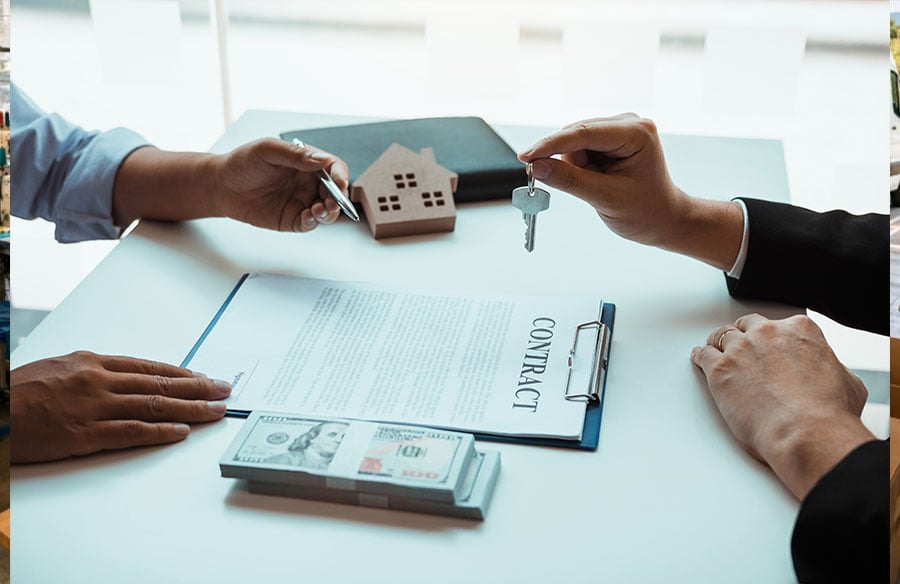
Buying a home is that milestone everyone remembers. Once you’ve made it through inspections, appraisals and underwriting, you’re faced with one more decision: How do you sign the final deal?
The design of our homes, from their initial blueprint to their final touches, profoundly shapes our daily lives. The process of acquiring these spaces, therefore, is an integral part of how we interact with and inhabit the built environment.
There are two ways to close, and both end with the same result: keys in your hand. However, the right choice comes down to what matters to you. One increasingly common option is eClosing, which lets you handle much of the signing digitally. Below, we’ll compare eClosing with traditional closing to find out which type fits you best.
What is eClosing?
An eClosing is a home closing that allows you to review and sign some or all of your documents electronically, often on a computer, tablet or phone. Depending on your lender and the type of loan, this might mean signing everything online, or it might be a hybrid version where most documents are digital, but a few still require a notary or an in-person signature. Either way, the goal is the same: Give buyers a faster, more flexible way to get through the paperwork.
What is a traditional closing?
A traditional closing is the process most people picture when they think about buying a home. You sit down in person, usually at a title company, attorney’s office or lender’s office, and sign a stack of paper documents alongside your closing agent. It’s a familiar, well-established approach, and for a lot of buyers, it’s still the preferred way to close.
eClosing vs. traditional closing: A side-by-side look
Once you understand the basics of each option, it’s easier to compare home-closing options. Here are some factors to consider:
Convenience
With eClosing, you could review documents from your couch, on your own schedule. This approach, on the other hand, means coordinating a time that works for you, your agent and your lender, then physically showing up to sign.
Speed
An eClosing allows you to review documents ahead of time, meaning there’s less paperwork to sort through, which may help the process move along more quickly. The conventional closing could take longer to schedule, especially if multiple parties need to align their availability, and the in-person signing itself could stretch out if there’s a lot to go through.
Paperwork
Stacks of paper still go into these signings, with page after page needing signatures. An eClosing reduces this chore dramatically, as most documents are in digital form. That also makes them easier to store, search and pull up later if you need them.
This shift from physical documents to digital files reflects broader trends in architectural practice and design, where digital tools and data management are increasingly streamlining complex processes and reducing material waste.
Potential drawbacks
An eClosing isn’t available everywhere. Some states, loan types or lenders still require a fully in-person process, so it’s worth checking your local regulations first. And where it is offered, some buyers just prefer the reassurance of signing in person and having someone walk them through every page. The physical closing comes with its own drawbacks, such as the time and travel required to be available in person, which may be harder to fit in if you have a busy schedule or live in a different area than the one you’re buying in.
How to decide which option is right for you
There’s no single right choice, only the one that fits your schedule. As you weigh your options, ask yourself:
- How much flexibility do I need?
- Is eClosing available for my loan and location? (Your lender can tell you.)
- Do I generally prefer signing digitally, or does an in-person signature feel more reassuring?
- How quickly do I need to close?
Whichever option you choose, always remember that both avenues are meant to protect you and get your home purchase across the finish line. The “better” option is simply the one that matches how you like to handle big decisions.
What this means for you
Whether you choose an eClosing or a traditional closing, you’ll end up with the keys to your new house. Signing in your living room, at your kitchen table or in a conference room all have the same outcome. Understanding the difference between the two puts you in a better position to make a confident decision. If you’re trying to decide between home-closing options, the first step is to ask your lender if eClosing is an option for your loan.
Notice: Information provided in this article is for information purposes only and does not necessarily reflect the views of the publisher or its employees. Please be sure to consult your financial advisor about your financial circumstances and options. This site may receive compensation from advertisers for links to third-party websites.