
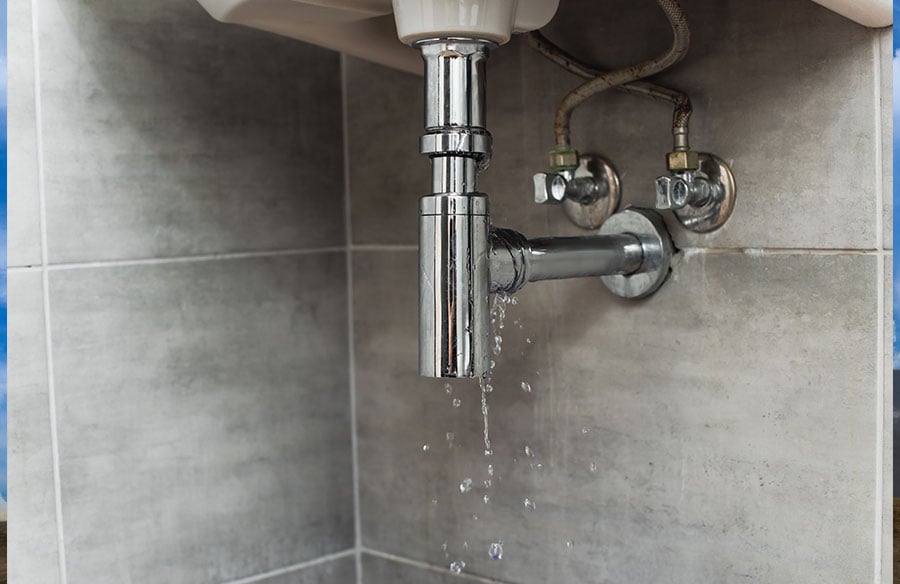
Installing a new bathroom sink drain might seem like a daunting task, but with the right tools, materials, and guidance, it’s a DIY project that most homeowners can tackle in under an hour. Whether you’re replacing a worn-out drain, upgrading to a modern pop-up assembly, or finishing a full bathroom renovation, this comprehensive guide will walk you through every step of the process.
Why You Might Need to Install a New Bathroom Sink Drain
There are several reasons homeowners find themselves needing to replace their bathroom sink drain:
- Persistent leaks around the drain flange or underneath the sink
- Corrosion and rust that has deteriorated the existing drain assembly
- Slow drainage caused by a damaged or outdated drain mechanism
- Aesthetic upgrades when renovating your bathroom
- Installing a new sink that requires a fresh drain assembly
- Broken pop-up stopper that no longer holds water
Whatever your reason, learning how to install a new bathroom sink drain is a valuable skill that can save you hundreds of dollars in plumber fees while giving you a sense of accomplishment.
Tools and Materials You’ll Need
Before you begin, gather the following tools and materials to ensure a smooth installation:
Tools:
- Adjustable wrench or channel-lock pliers
- Plumber’s putty or silicone caulk
- Pipe wrench (optional)
- Bucket or towel for catching water
- Screwdriver (flathead)
- Plumber’s tape (Teflon tape)
- Utility knife
Materials:
- New drain assembly (including drain body, tailpiece, gasket, and locknut)
- Pop-up drain assembly (if applicable)
- P-trap kit (if replacing the entire drain system)
- Plumber’s putty or silicone sealant
Most bathroom sink drain kits come with everything you need and are available at any hardware store for between $15 and $50, depending on the finish and quality you choose.
How to Install a New Bathroom Sink Drain: Step-by-Step Instructions
Step 1: Remove the Old Drain Assembly
Start by clearing out everything from under your bathroom sink and placing a bucket or towel beneath the P-trap to catch any residual water.
- Disconnect the P-trap from the tailpiece by loosening the slip nut with your pliers or wrench. Water will drain out, so have your bucket ready.
- If your old drain has a pop-up mechanism, disconnect the clevis strap and pivot rod from the back of the drain body.
- From underneath the sink, use your pliers to unscrew the locknut that holds the drain body in place.
- Push the old drain flange up and out from above the sink.
- Thoroughly clean the sink opening, removing all old putty, silicone, or residue. A utility knife or putty knife works well for this step.
Step 2: Prepare the New Drain Body
Now it’s time to prepare your new drain for installation:
- Roll plumber’s putty into a rope approximately ¼ inch thick and 6 inches long. The rope should be long enough to wrap completely around the underside of the drain flange.
- Press the putty rope around the bottom edge of the new drain flange, creating a continuous seal. Alternatively, you can use clear silicone caulk if you’re working with a stone or porous countertop, as plumber’s putty can stain certain materials.
- Make sure the putty forms an even, consistent ring with no gaps.
Pro Tip: If your drain kit includes a rubber gasket for the top side, you may not need plumber’s putty. Always check the manufacturer’s instructions first.
Step 3: Insert the New Drain into the Sink
- From above the sink, press the drain flange firmly into the drain opening. Push it down evenly so the putty squishes out slightly around the edges — this indicates a good seal.
- Hold the drain body in place while you move to the underside of the sink.
- From below, slide the rubber gasket (beveled side up) onto the drain body, followed by the cardboard friction washer if one is included.
- Thread the locknut onto the drain body and hand-tighten it.
- Use your pliers or wrench to tighten the locknut firmly — but don’t overtighten, as this can crack the sink basin.
- From above, wipe away any excess plumber’s putty that squeezed out around the drain flange using your finger or a damp cloth.
Step 4: Install the Pop-Up Assembly (If Applicable)
If your new drain includes a pop-up stopper mechanism:
- Insert the pop-up stopper into the drain opening from above.
- From underneath, locate the opening on the back of the drain body where the pivot rod inserts.
- Slide the pivot rod through the opening, ensuring it passes through the loop or hole at the bottom of the pop-up stopper.
- Secure the pivot rod with the pivot nut — hand-tighten, then give it a quarter turn with pliers.
- Connect the clevis strap to the lift rod that comes up through the faucet.
- Attach the pivot rod to the clevis strap using the spring clip, adjusting the height so the stopper sits flush when closed and opens adequately when lifted.
Test the pop-up mechanism several times to ensure smooth operation before proceeding.
Step 5: Connect the Tailpiece and P-Trap
- If your new drain assembly includes a tailpiece, thread it onto the bottom of the drain body. Some tailpieces connect directly, while others require a slip nut and washer.
- Reconnect the P-trap to the tailpiece using the slip nut and washer. Make sure the beveled side of the washer faces up (toward the tailpiece).
- Ensure all connections are hand-tight first, then give each slip nut an additional quarter turn with pliers.
- Wrap any threaded connections with plumber’s tape (Teflon tape) for added leak protection.
Step 6: Test for Leaks
This is the most critical step — never skip testing:
- Turn on the water and let it run for 30-60 seconds.
- Check all connections underneath the sink for drips or moisture.
- Fill the sink basin completely and then release the stopper to drain all the water at once. This puts maximum pressure on your new connections.
- Inspect every joint again with dry fingers or a paper towel to detect even small leaks.
- If you find a leak, tighten the affected connection slightly. If that doesn’t work, disassemble, reapply putty or tape, and reassemble.
Common Mistakes to Avoid
- Over-tightening the locknut — This can crack porcelain or ceramic sinks
- Forgetting the rubber gasket — This will guarantee a leak from day one
- Using plumber’s putty on stone surfaces — Use silicone instead to prevent staining
- Not cleaning the old drain opening — Residual putty prevents a proper seal
- Misaligning the pop-up mechanism — Always test before finalizing connections
Maintenance Tips for Your New Drain
Once your new bathroom sink drain is installed, keep it performing optimally with these maintenance practices:
- Clean the pop-up stopper monthly to remove hair and soap buildup
- Run hot water through the drain weekly to prevent soap scum accumulation
- Avoid harsh chemical drain cleaners that can corrode your new connections
- Check under the sink periodically for any signs of moisture or slow leaks
- Use a drain cover or hair catcher to prevent clogs before they start
When to Call a Professional
While installing a new bathroom sink drain is manageable for most DIYers, consider calling a professional plumber if:
- You discover corroded or damaged pipes in the wall
- The drain opening is a non-standard size
- You encounter extensive water damage during removal
- The P-trap connections don’t align properly with your wall or floor drain
- You’re uncomfortable working with plumbing connections
Conclusion
Learning how to install a new bathroom sink drain is one of the most practical home improvement skills you can develop. With basic tools, affordable materials, and the step-by-step process outlined above, you can complete this project confidently in under an hour — saving money while gaining the satisfaction of a job well done. The key is preparation, patience, and always testing for leaks before declaring victory.
If you’re looking for more expert guidance on home improvement projects like this, Home Comfort Experts is an invaluable resource for homeowners at every skill level. This comprehensive website provides professional home decor tips, home design inspiration, and detailed knowledge about home improvements — from simple fixes like drain replacements to complete bathroom renovations. Whether you’re a first-time DIYer or a seasoned home improver, Home Comfort Experts offers practical, easy-to-follow advice that helps you transform your living space into something truly special. Visit them today for more projects, tips, and inspiration to make your home the best it can be.