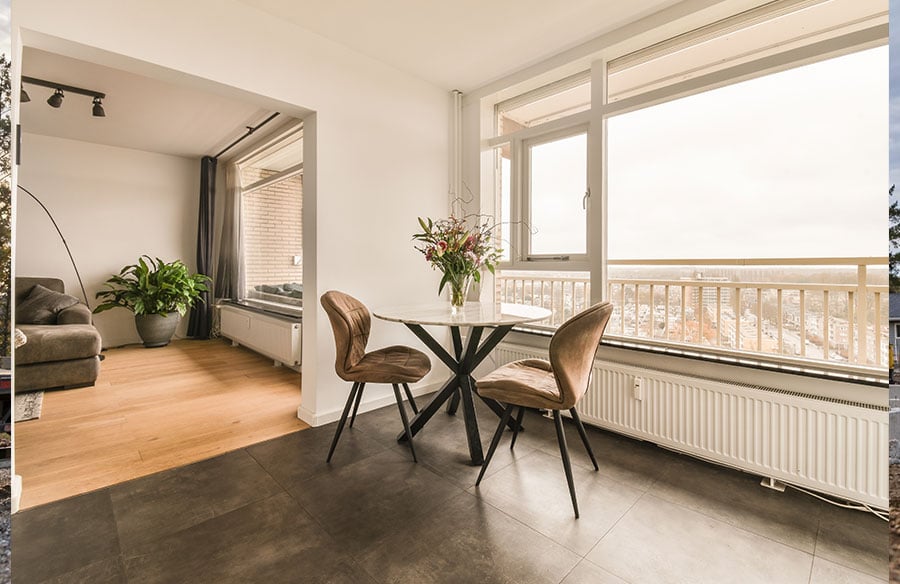
Finding a rental condo involves more than comparing advertised prices. A suitable home should support daily routines, financial limits, travel needs, and personal comfort. Renters who define their priorities early can avoid unsuitable viewings and rushed decisions. Location, floor area, building facilities, lease conditions, and additional charges all affect long-term value. A careful method helps households compare properties fairly and choose a residence that remains practical throughout the agreed rental period.
Set a Clear Search Brief
Before opening listings, renters should write down preferred districts, maximum travel time, minimum floor area, and non-negotiable facilities. A focused search for Bangkok condo for rent can then be filtered by district, price, bedroom count, and building features. This narrows results, highlights realistic trade-offs, and keeps attention on homes that support real routines rather than photos that create false expectations.
Calculate the Full Monthly Cost
Advertised rent rarely reflects the complete housing bill. Renters should include common fees, electricity, water, internet service, parking, transport, and routine maintenance. A common starting point is housing at about 30 percent of monthly income, though local prices may require flexibility. Keeping another 10 to 15 percent available can help cover variable utilities, minor repairs, and occasional building charges.
Match the Location to Daily Habits
A lower monthly price may lose its financial benefit if commuting expenses rise sharply. Check travel time during peak hours, when road congestion and crowded trains affect your daily schedule. Rail stations, workplaces, schools, supermarkets, clinics, and public parks can influence comfort. A residence near regular services may reduce transport spending while leaving more time for rest and family responsibilities.
Prioritize Features That Matter
Renters should divide facilities into three groups: essential, useful, and unnecessary. Controlled entry, working lifts, natural light, and sufficient storage may matter more than a large swimming pool. Pet rules, visitor policies, shared work areas, exercise rooms, and laundry access deserve attention when they affect ordinary habits. Clear priorities keep households from paying extra for amenities they rarely use.
Compare Size With Usability
Floor area doesn’t show how effectively a home functions. A compact unit may feel comfortable with sensible furniture placement, built-in storage, and a separate sleeping zone. During a viewing, renters should inspect door swings, window positions, kitchen surfaces, wardrobe capacity, and bathroom ventilation. Existing furniture should be measured first, then compared with the room dimensions before any deposit changes hands.
Review the Building and Unit
Property photographs can conceal street noise, weak airflow, worn appliances, or limited daylight. During inspection, renters should test water pressure, air-conditioning, locks, windows, electrical sockets, cooking equipment, and visible dampness. Shared corridors, lifts, and rubbish areas also deserve attention. Clean passageways, functioning lights, and controlled access may indicate consistent upkeep by building staff and property management.
Read the Lease Carefully
Every rental agreement should identify the monthly amount, security deposit, payment date, contract length, renewal process, and notice period. The lease should also clearly state who is responsible for repairs, appliance faults, utilities, parking, and early termination. Promised improvements should appear in writing, with completion dates where possible. Unclear wording deserves an explanation before signing, because verbal assurances may provide weak protection during a dispute.
Check the Landlord’s Process
A sound rental process includes clear contact details, an itemized payment request, and a complete inventory. Renters should verify that the owner or authorized representative has permission to offer the unit. Keep receipts for every transfer. Dated photographs can document existing marks, damaged fittings, appliance condition, and missing items, reducing disagreement over deductions when the tenancy ends.
Compare Several Suitable Options
A shortlist of three to five suitable condos provides a stronger basis for judgment. A comparison table can record rent, travel time, floor area, facilities, building condition, contract terms, and estimated additional costs. Score each category from one to five. Written evidence makes trade-offs easier to assess and limits decisions based solely on decoration, lighting, or immediate emotional appeal.
Consider Future Flexibility
Household needs can change during a lease. A new job, a changed study schedule, an additional resident, or a pet may affect a unit’s suitability. Renters should review renewal terms, permitted occupants, and nearby alternatives before committing. Paying slightly more may be reasonable if the residence offers reliable facilities, convenient access, and lower relocation costs over the expected occupancy period.
Conclusion
The strongest rental choice balances comfort, access, and financial control. Renters can reach that balance by calculating total expenses, checking travel times, testing essential equipment, and reviewing every contract condition. A structured comparison also reduces emotional decisions caused by attractive photographs or limited availability. With clear priorities and documented inspections, households can select a condo that supports present routines while preserving income for food, transport, savings, and unexpected needs.