Georgia summers can push HVAC systems to their limits. With extreme heat and high humidity in cities like Savannah and Atlanta, air conditioning systems often run for long hours without a break. This constant demand increases the risk of breakdowns—especially if your system isn’t properly maintained. The good news is that most HVAC failures are preventable. Here’s how you can avoid costly breakdowns during Georgia’s hottest months.
Schedule Preventive Maintenance Before Summer
The best way to prevent HVAC breakdowns is through regular maintenance. Before the summer heat arrives, schedule a professional inspection to ensure your system is ready.
A technician will
- Check refrigerant levels
- Clean coils and components
- Inspect electrical connections
- Test overall system performance
Many homeowners rely on experienced Savannah HVAC companies to perform seasonal tune-ups and catch potential issues early. Preventive maintenance is far less expensive than emergency repairs.
Replace Air Filters Regularly
Dirty air filters are one of the most common causes of HVAC problems. In Georgia’s humid climate, filters can clog quickly with dust, pollen, and moisture.
To maintain efficiency
- Check filters every 30 days
- Replace them every 1–3 months
- Use high-quality filters
Clean filters improve airflow, reduce strain on your system, and help prevent overheating during peak usage.
Keep the Outdoor Unit Clean and Clear
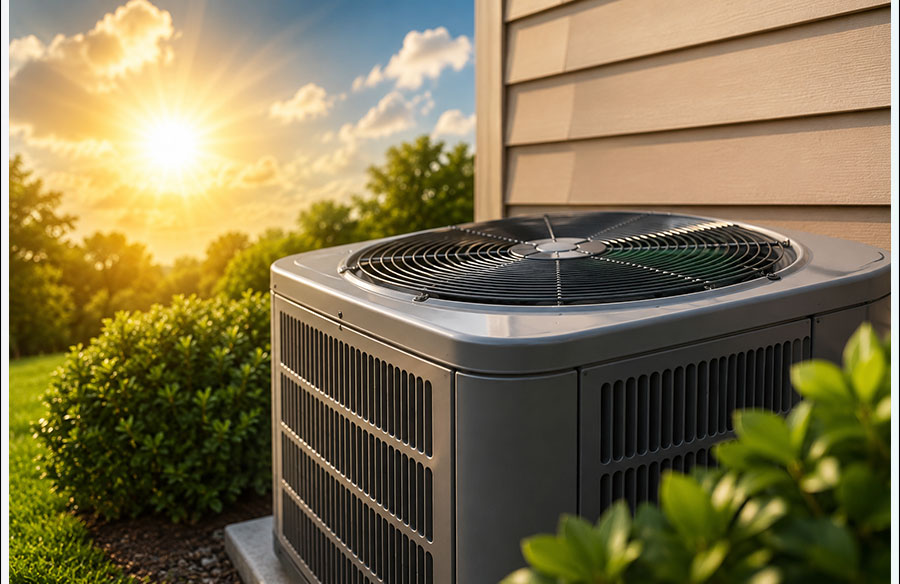
Your outdoor condenser unit plays a critical role in cooling your home. If it becomes blocked by debris, your system won’t be able to release heat effectively.
To keep it functioning properly
- Clear at least 2 feet of space around the unit
- Remove leaves, dirt, and grass clippings
- Trim nearby plants and shrubs
A clean unit allows your system to run efficiently and reduces the risk of breakdowns.
Monitor Thermostat Settings
Your thermostat controls how hard your HVAC system works. Setting it too low during extreme heat can overwork your system and increase the risk of failure.
Best practices include
- Keeping the thermostat around 78°F
- Using programmable or smart thermostats
- Avoiding drastic temperature changes
Using a smart thermostat can reduce unnecessary strain and extend the life of your system.
Address Small Issues Immediately
Minor HVAC issues can quickly turn into major problems if ignored. Strange noises, weak airflow, or uneven cooling are all warning signs that something isn’t right.
Common early issues include
- Loose components
- Refrigerant leaks
- Electrical problems
Fixing these issues early prevents them from escalating into expensive breakdowns during peak summer heat.
Ensure Proper Insulation and Sealing
Poor insulation forces your HVAC system to work harder to maintain indoor temperatures. Air leaks allow cool air to escape, increasing system workload and energy costs.
To improve efficiency
- Seal gaps around windows and doors
- Insulate your attic properly
- Check for duct leaks
Reducing energy loss helps your system run more efficiently and lowers the risk of overheating.
Have a Backup Plan for Emergencies
Even with proper maintenance, unexpected breakdowns can still occur. It’s important to be prepared, especially during Georgia’s hottest days.
If your system fails, searching for emergency HVAC service Pooler can help you quickly find professionals who can restore your cooling system. Acting fast can prevent further damage and keep your home comfortable.
Conclusion
Avoiding costly HVAC breakdowns during Georgia summers requires a proactive approach. Regular maintenance, clean filters, proper insulation, and early detection of problems all play a crucial role in keeping your system running smoothly.
By taking these preventive steps, you can reduce the risk of unexpected failures, lower your energy bills, and ensure your home stays cool even during the most intense heatwaves. In a climate as demanding as Georgia’s, preparation is the key to long-term comfort and savings.