In today’s modern business environment, the role of the executive office is undergoing a significant transformation. It is no longer merely a private space for handling paperwork, but has evolved into a central hub for decision-making and a reflection of a company’s brand identity.
As work patterns shift toward higher productivity and longer working hours, selecting the right leather executive chair has become a strategic investment—one that directly impacts employee well-being, professional presence, and the long-term value of office assets.
Introduction: From “Symbol of Authority” to “Health Asset”
Traditional executive office chairs were often designed to convey a sense of weight and authority. However, modern workplace science has made it clear that prolonged sitting has become one of the most significant health risks in today’s professional environment. According to research from the Mayo Clinic, poor sitting posture and inadequate seating support are major contributors to chronic back pain and decreased workplace productivity.
As a result, when building a modern executive workspace, corporate buyers must move beyond the outdated mindset of prioritizing appearance alone. An effective office chair should represent a balance between ergonomic performance and premium materials—capable of supporting extended hours of decision-making while aligning visually with a company’s professional image.
Core Selection Criteria: Balancing Comfort and Professionalism
1. Dynamic Ergonomics
The fundamental difference between a high-end leather executive chair and a standard office chair lies in its ability to actively adapt to the human body.
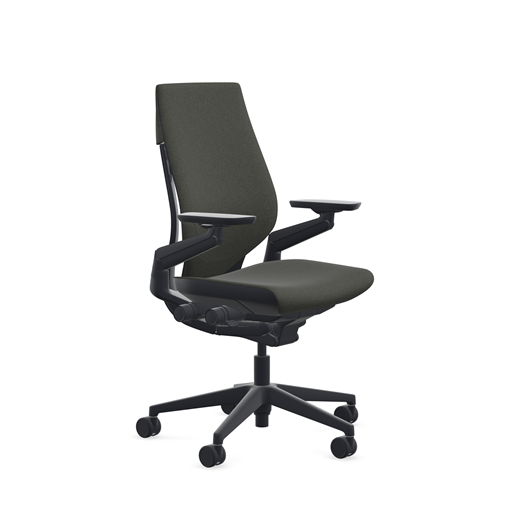
Leading brands such as Steelcase emphasize continuous support during posture changes. For example:
- the Steelcase Gesture Leather Executive Chair features multi-dimensional armrests and an advanced back structure designed to accommodate a wide range of working positions.
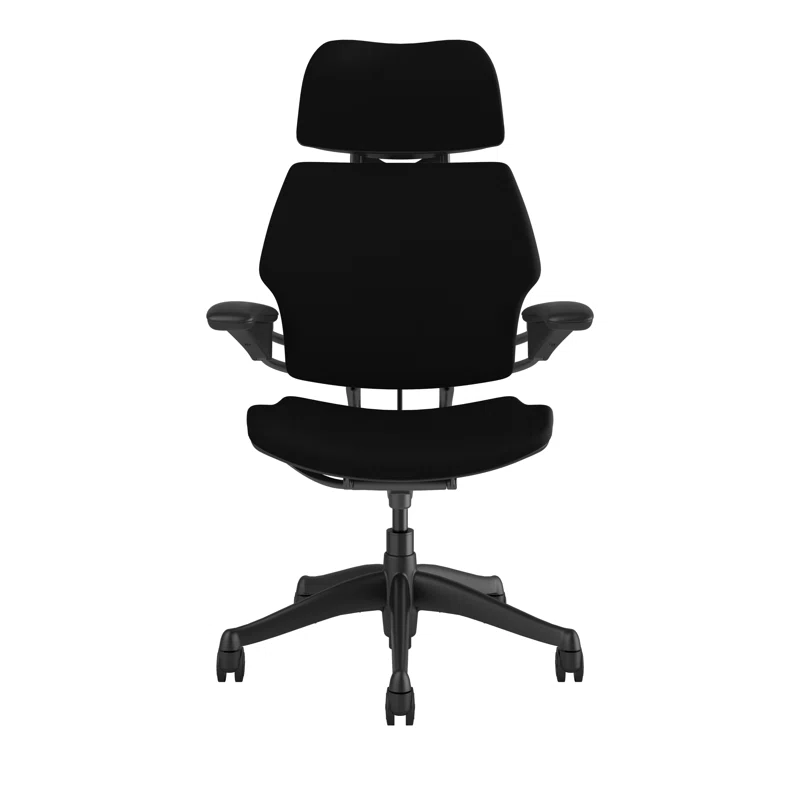
 Meanwhile, Humanscale focuses on minimizing manual adjustments, allowing the chair to automatically adapt to the user’s weight and posture. For example:
- the Humanscale Freedom Headrest Chair features a self-adjusting recline mechanism that delivers continuous support across different sitting positions—reflecting a design philosophy centered on reducing adjustment complexity.
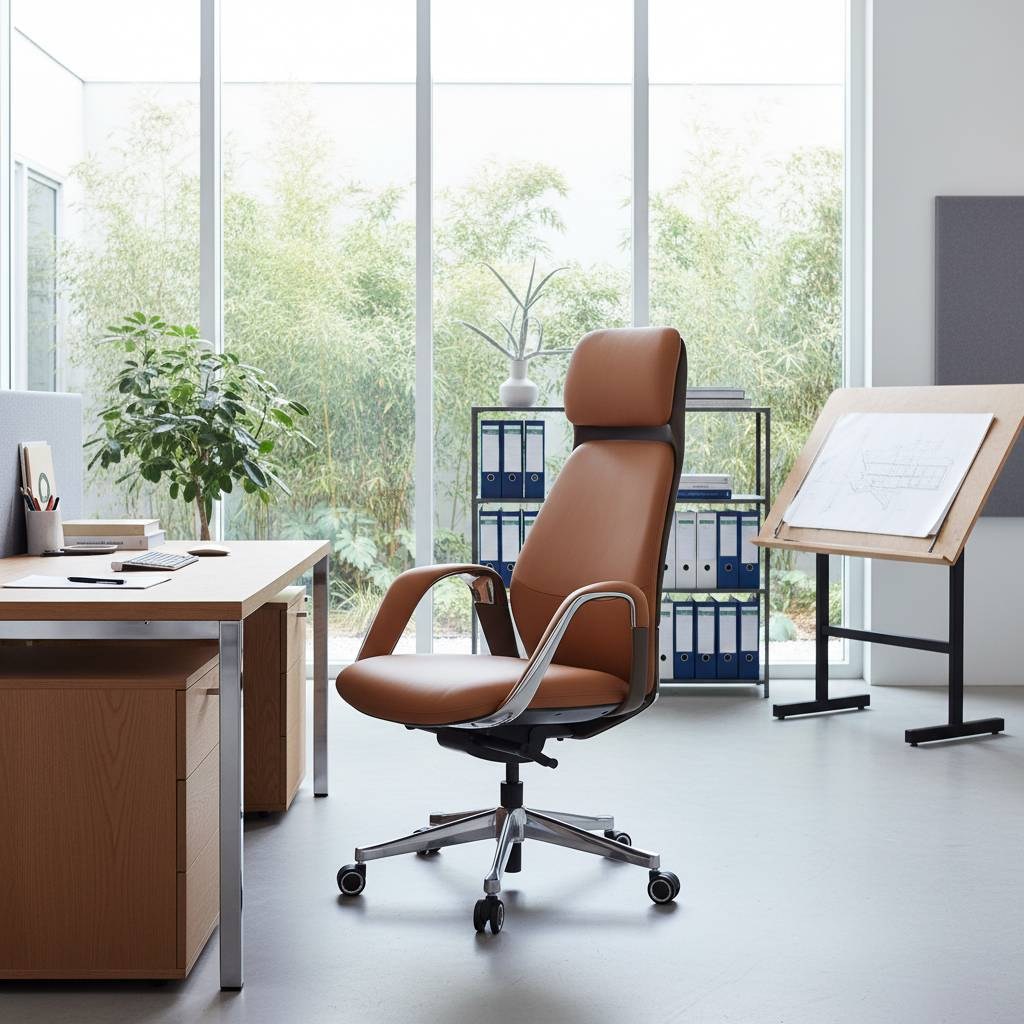
 Building on this approach, newer brands such as Eureka Ergonomic place greater emphasis on balancing structure and comfort. For example:
- The Serene Napa Leather Executive Office Chair adopts a more lightweight silhouette and a backrest structure that closely follows the natural curve of the spine, enhancing dynamic support while maintaining the refined feel of genuine leather.
 Together, these products highlight a broader industry shift:
ergonomics is evolving from adjustable features to being embedded directly into the structure itself.
2. Materials Science & Durability Lifecycle
For companies, the value of a commercial office chair extends far beyond its visual appeal—it is ultimately defined by its long-term performance and durability.
- The Spatial Impact of Genuine Leather
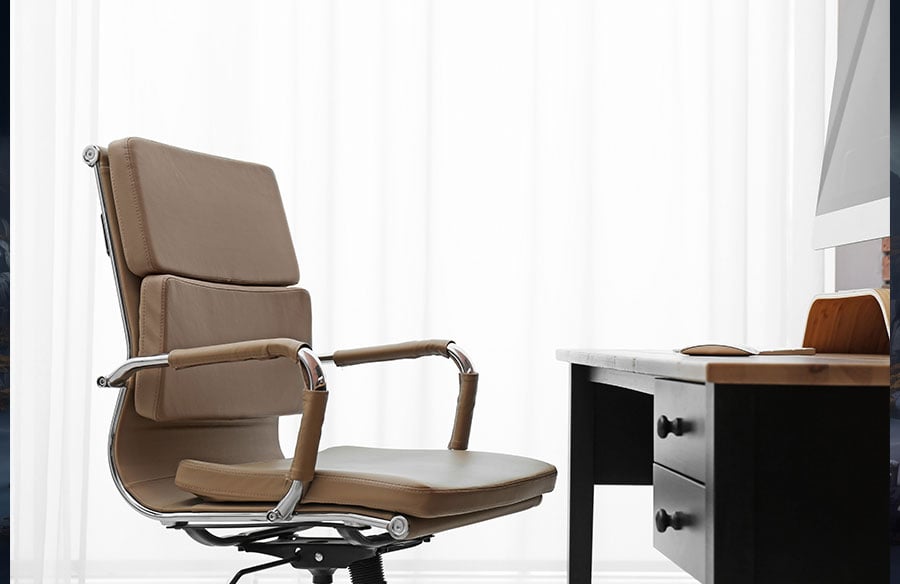
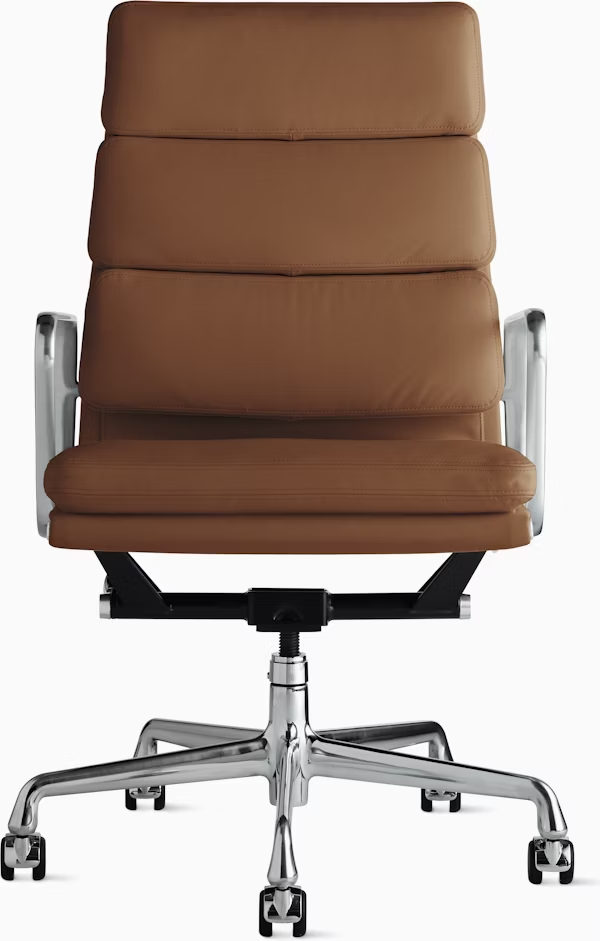
High-quality leather remains a key element in expressing authority and refinement within executive spaces. For example, the Eames Soft Pad Executive Chair by Herman Miller combines premium leather with a timeless structural design, reinforcing a strong sense of leadership presence and brand identity.
- The Practical Advantages of Composite Materials
In high-frequency usage environments, durability becomes a critical factor. Increasingly, companies are turning to hybrid material solutions. For instance:
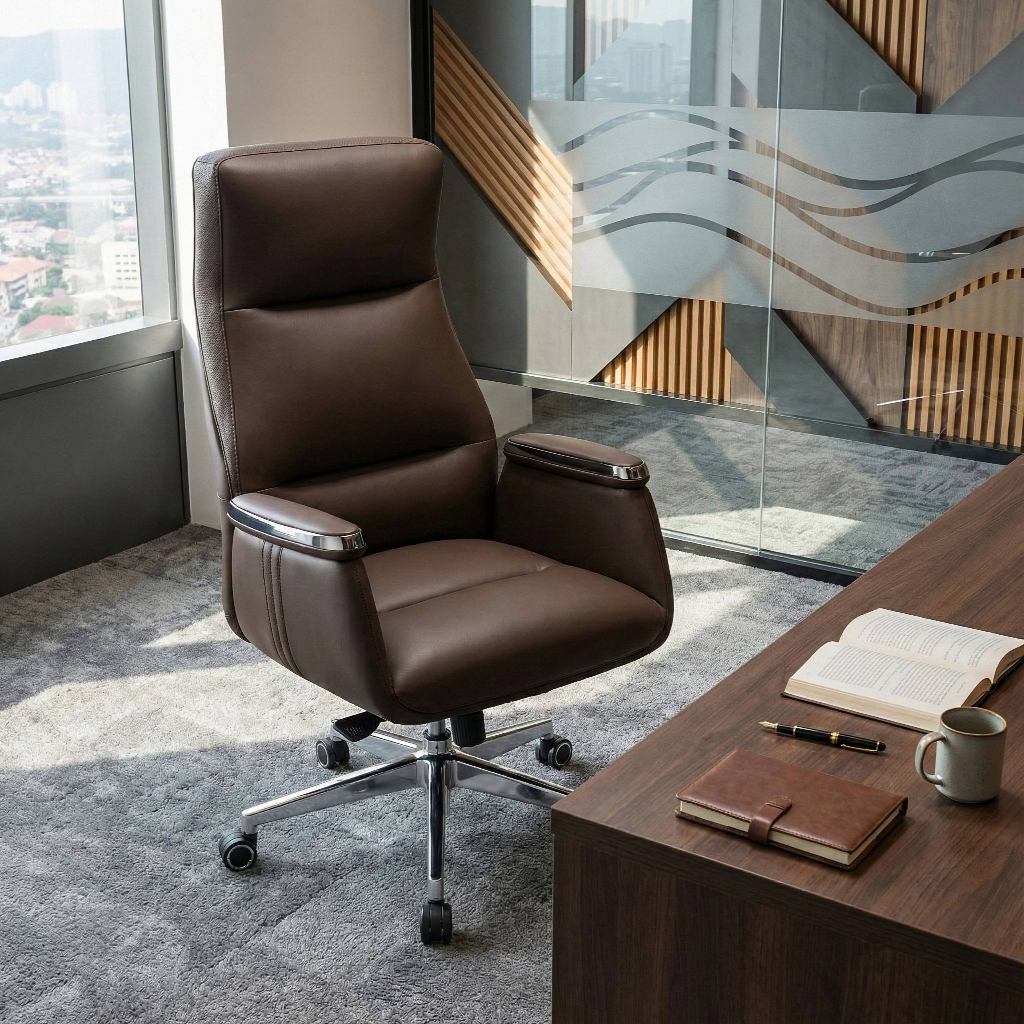
- The Royal II Silicone & Leather Executive Ergonomic Office Chair integrates Silicone PU with leather, achieving a balance between refined aesthetics and enhanced wear resistance—making it particularly suitable for intensive, day-to-day use.
 This material evolution is redefining what a luxury office chair represents:
it is no longer just about premium appearance, but about delivering consistent performance over time.
Workspace Pairing: Building an Efficient Modern Executive Workspace
Compared to selecting a single product, companies should focus more on how to create a cohesive modern executive workspace through thoughtful combinations of furniture and layout.
1. Desk–Chair Relationship: From “Matching” to “Integration”
A well-designed leather executive chair should not exist in isolation—it needs to align with the desk both visually and functionally.
- Traditional Executive Offices (Authority & Stability)
When paired with a large solid wood executive desk, chairs with a strong visual presence and enveloping structure are more appropriate. For example:
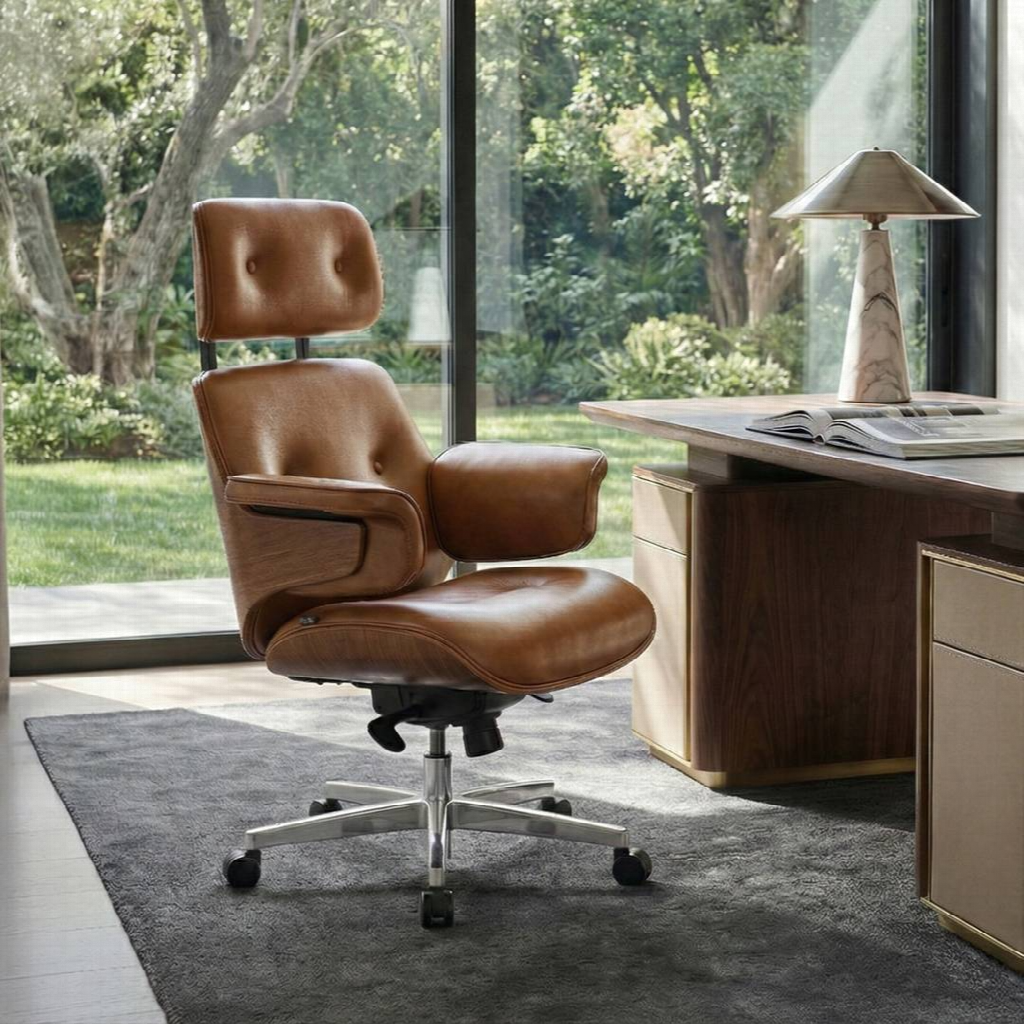 This type of setup reinforces a sense of stability and authority, making it ideal for boardrooms or private executive offices.
- Modern Management Spaces (Efficiency & Lightness)
As sit-stand desks become more common, office environments are shifting toward lighter and more flexible layouts.
In such settings, chairs with clean lines and well-defined structures are preferred to reduce visual weight and enhance spatial flow. Brands like Eureka Ergonomic, which offer integrated desk-and-chair solutions, can help maintain consistency in both aesthetics and functionality—making them suitable for comprehensive office upgrades.
2. Cross-Scenario Adaptability: From Office to Home (WFH)
With hybrid work becoming the norm, a commercial office chair must adapt seamlessly across different environments.
Key considerations include:
- Whether it can blend into a home setting without appearing overly corporate
- Whether it still delivers professional ergonomic support
For instance, Humanscale emphasizes minimalism and self-adjusting functionality, while chairs that incorporate composite materials and modern silhouettes are generally more versatile across both office and residential contexts.
3. Spatial Hierarchy & Allocation Strategy
In practice, companies can optimize both budget and user experience through a tiered allocation strategy:
- Executive Level: prioritize materials and visual presence (e.g., leather executive chairs)
- Management Level: focus on ergonomics and durability
- Open Work Areas: emphasize flexibility and efficiency
This structured approach not only improves cost efficiency but also ensures a more consistent overall workplace experience.
Common Misconceptions & Industry Trends
1. Misconception: Softer Means Better
Many buyers assume that softer, sofa-like chairs (such as some traditional models from La-Z-Boy) provide superior comfort. In reality, low-density foam tends to compress and degrade within months, leading to poor support and increased physical strain.
A truly worthwhile long-term investment should prioritize high-density, high-resilience foam that maintains structural integrity over time.
2. Trend: Invisible Ergonomics
The office furniture trend in 2026 is moving toward “de-homogenized aesthetics.”
Brands like Humanscale advocate for intuitive, self-adjusting designs, while Eureka Ergonomic explores more diverse approaches in color, material, and form—bringing greater visual sophistication to executive spaces.
This signals a broader shift:
ergonomics is no longer an obvious feature—it is seamlessly integrated into design.
Final Recommendations
For companies, office furniture procurement should be viewed as a long-term investment strategy—often spanning a decade or more.
A well-designed leather executive chair offers more than just visual prestige; it actively protects one of a company’s most valuable assets—its people—by reducing the risk of work-related health issues.
Whether it is the timeless design heritage of Herman Miller, or the balance of modern ergonomics and durable materials seen in Eureka Ergonomic, the ideal choice is ultimately one that allows users to stay fully focused—
almost forgetting the chair is even there.