Around 300 residential fuel gas explosion incidents occur every year across the country. These situations rarely happen without warning, but property owners often miss the initial subtle signs of system degradation. Maintaining a residential gas system demands proactive care, accurate diagnostics, and an understanding of how piping materials interact with their environment over time.
Gas line integrity affects daily household operations, overall energy efficiency, and indoor air safety. Addressing minor issues early prevents complex systemic failures and keeps home appliances running efficiently.
Common Signs of Gas Line Degradation
Gas delivery systems operate under continuous pressure, making early detection of leaks and pipe wear critical for household safety. While construction or ground movement can damage pipes, natural wear and tear often shows up inside the home first.
Recognizing early warning signs gives property owners the chance to intervene before a minor leak becomes a major hazard. This includes:
- The distinct smell of sulfur or rotten eggs near appliances
- Dying or discolored vegetation directly above buried pipe runs
- Hissing sounds coming from exposed piping or valve connections
Beyond physical signs around the property, home appliances often signal system issues through performance changes. Yellow or flickering flames, heavy soot accumulation around burner heads, and frequent pilot light outages are clear indicators of improper gas pressure or burner malfunction. When these symptoms appear, a certified professional must thoroughly inspect the supply infrastructure, and regular maintenance checks are advised.
Professional Protocols for Gas Line Repair and Installation
Working with gas delivery systems requires strict adherence to safety codes, precise diagnostic procedures, and specialized tools. Attempting self-repairs or hiring unlicensed workers often leads to improper fittings, incorrect pipe sizing, and code violations that compromise the system.
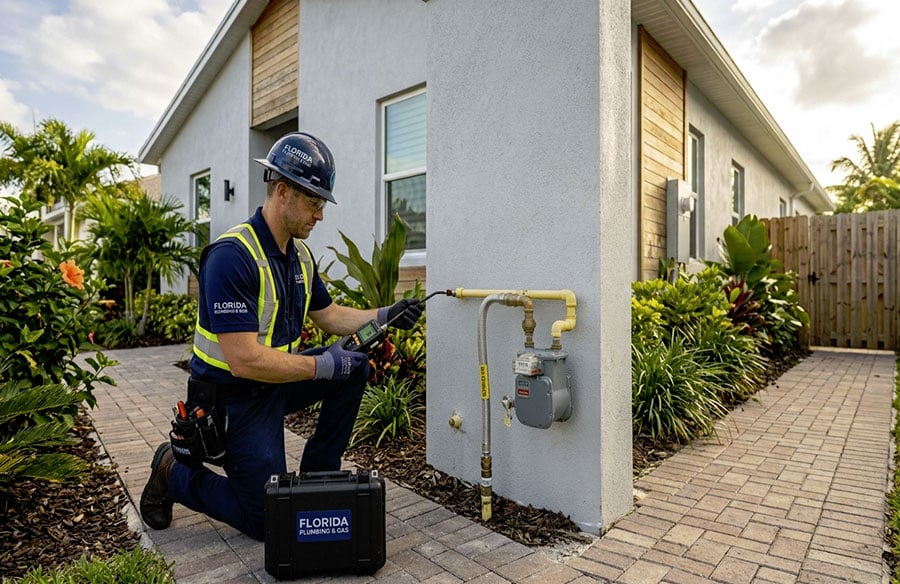
Licensed technicians follow standardized testing protocols to pinpoint micro-leaks and evaluate overall system pressure. During initial assessments, technicians perform pressure drop tests using specialized manometers to verify if the piping network maintains structural integrity under normal operating conditions.
When adding new high-draw appliances such as tankless water heaters, pool heaters, or outdoor kitchens, technicians must evaluate total system capacity. Standard supply lines may not provide enough volume for higher demand, causing pressure drops that disrupt appliance performance.
Upgrading or modifying piping routes requires precise capacity calculations to match the specific volume demands of all connected units, and local experts can help best in this context. For property owners in the South managing system upgrades, home additions, or emergency repairs, partnering with qualified professionals for gas line repair and installation in Florida ensures all work meets state regulations and municipal building standards. Because rules and requirements can change from state to state, you can’t just guess.
Material Selection and Environmental Factors
Selecting the right piping material is essential to building a long-lasting, reliable gas distribution network. Modern installations rely on specific materials designed to withstand different environmental pressures and soil conditions.
Indoor setups frequently utilize corrugated stainless steel tubing or traditional black iron, depending on local building codes and structural requirements. Outdoor underground runs often require flexible, corrosion-resistant options like high-density polyethylene (HDPE) or coated stainless steel to prevent soil moisture from degrading the pipe walls.
Regional climate plays a major role in how gas infrastructure ages over time. High humidity, heavy rain, and sandy or acidic soil conditions accelerate oxidation on metal surfaces, especially where pipes transition from underground to aboveground positions. Salt air in coastal environments further increases the risk of exterior pipe corrosion, while hot and dry climates have their own considerations.
Proper insulation, protective coatings, and correct burial depths protect the lines from soil settling and environmental wear. Matching the right material to the specific environment ensures steady pressure delivery and extends the system’s operational life.
Upgrading Infrastructure for Long-Term Safety
Modernizing aging gas infrastructure improves daily home efficiency and reduces the need for ongoing emergency maintenance. Older homes often rely on outdated piping materials that deteriorate over several decades of constant use.
Replacing original lines with modern, corrosion-resistant materials creates a more durable distribution network that can support high-efficiency appliances. Scheduled inspections allow technicians to identify worn valves, weak fittings, and deteriorating flexible connectors before structural integrity fails.
Investing in preventive maintenance and timely system upgrades protects structural value while maintaining steady energy delivery throughout the property. Stay here on our site to read more posts about home maintenance and architecture projects of all types.