Published on 10th August, 2026
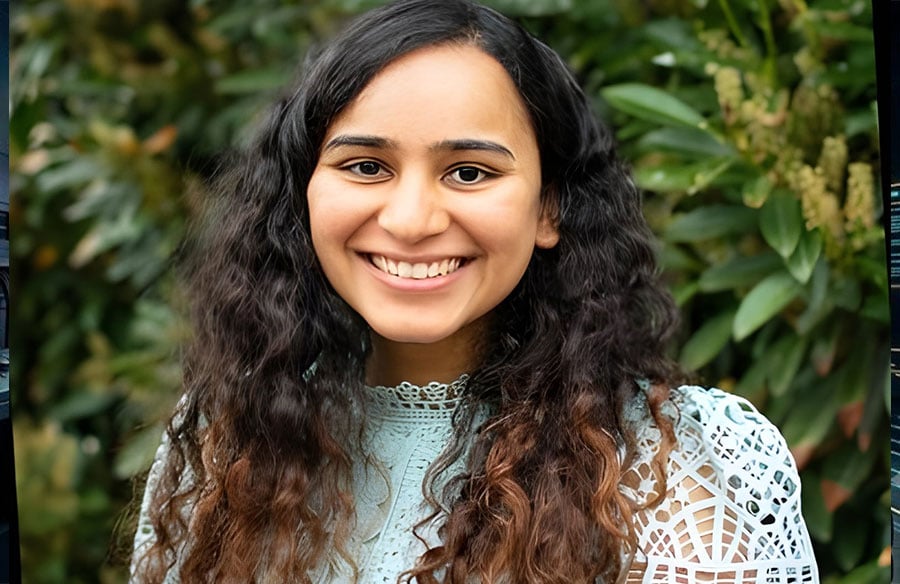
Dhvani Shah’s career has never been about chasing a single goal or completing one challenging project. It has been multidisciplinary, moving from the business to advertising worlds, from branding to packaging, and then into the tedious but rewarding work of redesigning systems that ordinary people depend on every day.
“At every stop, the core work has been the same,” she says, “making things that look right, work right, and serve real people.”
Early years
Born and raised in India, Shah studied and worked in business administration, before moving into the advertising world. She says her early years at Ogilvy Mumbai gave her a fast, demanding education in how ideas travel. As an art director there, she worked across television, print, digital, and out-of-home campaigns for Cadbury, Unilever, and Tata Salt. It was the kind of environment where pace matters, deadlines matter, and a concept has to survive in different forms. But even there, Shah was especially drawn to work that went beyond persuasion only.
For Cadbury, she worked on its Dairy Milk Unity Bar campaign and was part of the team behind a product-campaign hybrid that combined four types of chocolate to represent different skin tones. The Unilever Hamam Waterproof Saree was another campaign that addressed women’s safety through an idea that was as socially pointed as it was visually memorable. “These were not just campaigns,” Shah says. “They were attempts to enter the public conversation.”
She continued to apply that perspective in her next role at Ramson Industries, where she became lead designer and took on the full visual identity of the brand. She designed packaging, catalogs, store collateral, social direction, and an e-commerce launch. It was a change in scale and responsibility. “It was the kind of role where you touch everything,” she says, “from the label on a box to the homepage of the website and sometimes even product designs.”
Shah says the job taught her how design behaves when it has to hold together across touchpoints, audiences, and business pressures.
A move to the US
Then came a profound shift. Shah moved to the US to pursue an MA in social design at the Maryland Institute College of Art. In doing so, she stepped into a new discipline and a new country at the same time. “I wanted to dive deeper into what truly drives needs while keeping real people at the center,” she says. She believes that MICA gave her the framework to move from intuition-driven design to research-driven practice. “That decision gave me the design research skills and systems thinking framework I now use every day,” she says.
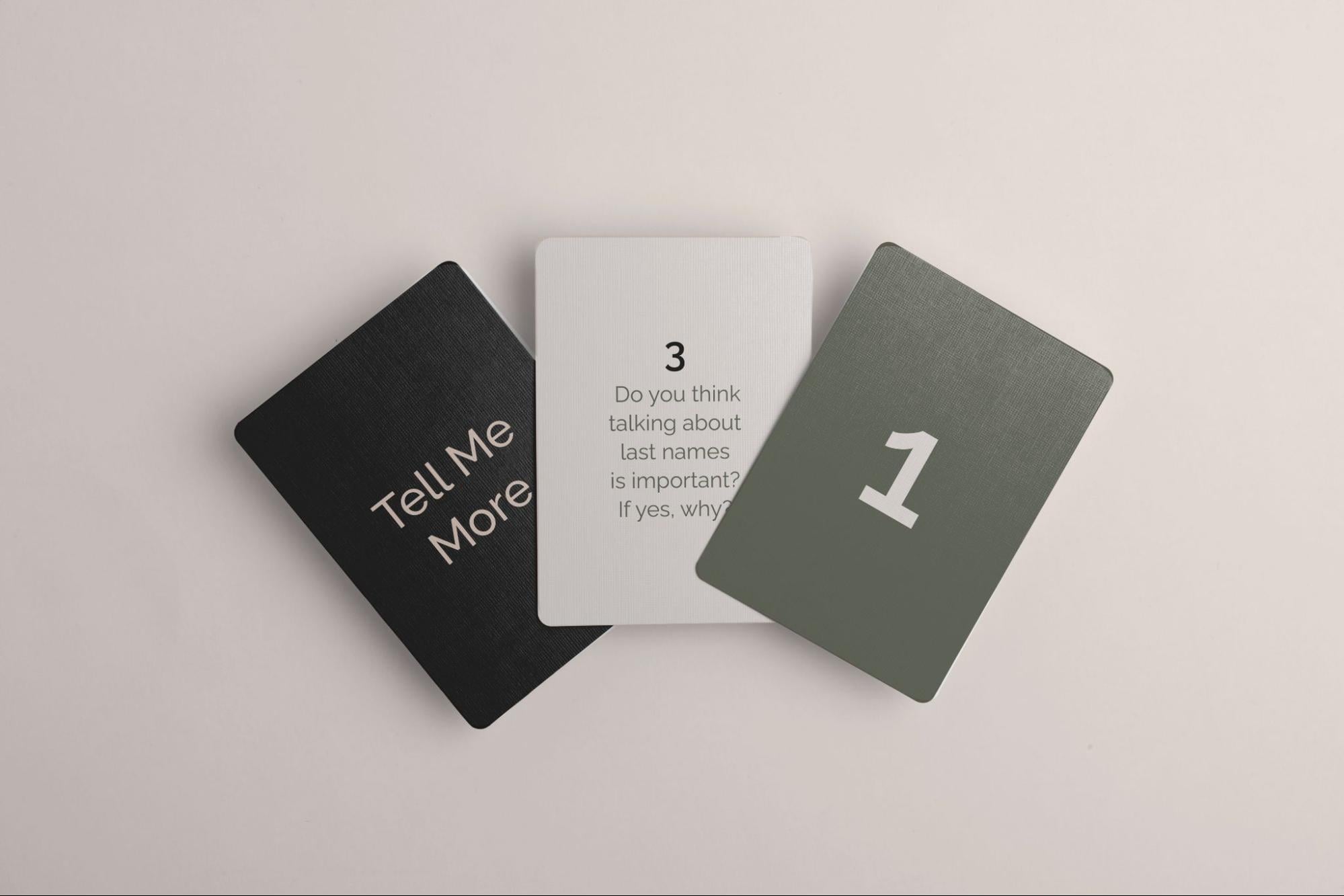
Her studies also reshaped how she thinks about design. Her thesis, The Last Name Game, explored patrilineal naming conventions and the gender inequity she believes they embed. Rather than stop at critique, Shah interviewed more than 20 people and translated the research into a game prototype. “The idea is that good design, like good sound, should travel,” she says. That project did just that by taking a familiar social structure and making it visible to question.
 Her current work in public-sector systems modernization asks for the same kind of clarity, but comes with much higher stakes. Shah designs digital platforms used by thousands of people across the US. Projects have included a legacy compliance platform built in the 1990s, an unemployment insurance system, and a comprehensive management system used by early childhood programs. “Every contrast ratio, every label, every interaction pattern matters,” she says.
A combination of instincts
Shah’s career path has lent her a rare combination of instincts. She believes that advertising taught her pace and visual persuasion. Brand design taught her how systems connect, while social design taught her to ask who is helped, who is excluded, and what assumptions are being treated as neutral. “In public systems, those questions are not theoretical,” she points out. “They shape whether a person can complete a task without calling for help, whether a caseworker can move efficiently, and whether a service feels navigable or punishing.”
Beyond her day job, Shah is devoted to building the wider culture of the field. She is a founding member of Indian Creative Women, for instance, a platform with thousands of supporters and partnerships with Cannes Lions See It Be It, The One Club, and Kyoorius. The group organizes portfolio evenings and mentorship sessions that connect emerging women creatives with senior leaders. “It’s the everyday work of widening access,” she says.
Finding the human pattern
 Shah’s story is easy to condense into a résumé with many chapters. The underlying pattern is more interesting. “The through-line in my career has always been the same,” she says, “find the human problem, then find the simple, human-centered design solution.” It’s a current that runs through her advertising work, her thesis, and her current public-sector practice.
According to Shah, design has never been about showing off or just making pretty things. Instead, she is interested in the utility of design, the ways in which elegantly crafted structures can make life a little less difficult for the person on the other end. Which may not be the most attention getting kind of design, but it is often the one with the greatest, longest-lasting impact.
Emma Collins
Emma Collins is a freelance journalist who covers design, innovation, technology, and entrepreneurship. She writes about the people and ideas shaping industries, with a focus on human-centered design, digital transformation, and creative leadership.