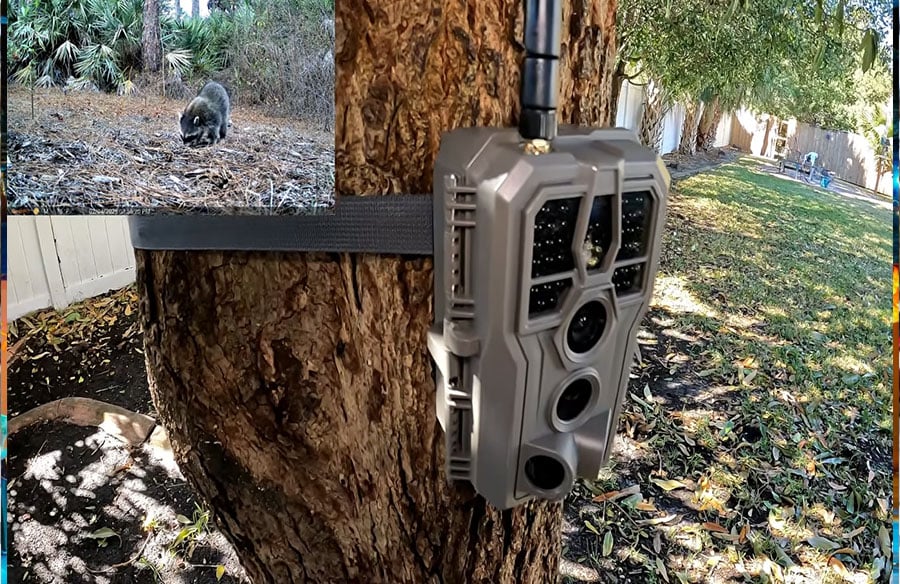
Farming is more than battling the weather, market fluctuations, and supply chain delays. Today, agricultural businesses face a rapidly growing threat that directly impacts their bottom line: rural crime. Farms are inherently expansive, and high-value assets like heavy machinery and fuel tanks are frequently left exposed in open fields or unattended outbuildings. When these properties are miles away from the main farmhouse and far beyond the reach of a traditional Wi-Fi network, standard residential security cameras are entirely useless.
Why You Must Protect Diesel and Machinery
Unlike a suburban burglary where a thief might steal a television or a laptop, rural crime is devastatingly expensive. Agricultural theft targets heavy, high-value assets. A single incident can cripple an entire season’s operations. Thieves routinely target tractors, expensive custom attachments, all-terrain vehicles (ATVs), and stockpiles of chemical fertilizers.
However, the most frequent and costly target is often red diesel. Fuel tanks are frequently located near remote equipment sheds, making them incredibly vulnerable. Losing 1,000 gallons of diesel overnight does not just cost you the price of the fuel; it halts your machinery the next morning, causing massive operational delays and stalling your harvest.
When evaluating the cost of an off-grid security setup, you must calculate the return on investment against these catastrophic losses. Spending a few hundred dollars to deploy a matrix of wireless trail cameras around your fuel tanks and machinery sheds is not a burdensome expense—it is a critical insurance policy. If a camera system intercepts a single fuel theft or prevents the loss of a $50,000 piece of equipment, it has immediately paid for itself ten times over. The economic reality is simple: modern agricultural operations cannot afford to leave their heavy assets unmonitored.
How to Monitor Outbuildings Up to 1km Away Without Monthly Fees
One of the biggest logistical nightmares for farm owners is distance. You might have a Wi-Fi connection inside your main farmhouse, but the barn holding your expensive equipment is hundreds of yards away. Running ethernet cables underground across a working farm is cost-prohibitive, and standard Wi-Fi extenders will fail long before reaching the perimeter.
The most effective and economical solution for expansive properties is a Hub-based camera system.
Instead of relying on a weak broadband signal or paying for multiple cellular data plans, the GardePro Link 1.0 bridges the distance gap using dedicated, long-range radio frequencies. You simply connect the central base station (the Hub) directly to the router inside your farmhouse. The remote security cameras are then mounted far out on the property—on barns, boundary gates, or equipment sheds.
Under ideal line-of-sight conditions, these advanced cameras can communicate with the hub from up to 3,000ft. They instantly transmit high-definition images and videos back to the base station, which then routes the alerts to your smartphone over your home network.
The absolute biggest advantage of this deployment strategy for agricultural businesses is the cost structure. Because the cameras ultimately leverage your existing home internet connection via the central Hub, they require zero cellular data subscriptions. You can monitor multiple remote outbuildings, secure your main access gates, and watch over your heavy machinery without adding a single recurring monthly fee to your operational budget.
How to Stop False Alarms from Wind and Wildlife
A farm is a highly dynamic environment. Between herds of cattle, flocks of sheep, barn cats, and wandering local wildlife, there is constant movement across the property. When deploying motion-activated security cameras in these areas, property owners frequently run into a massive headache: alert fatigue.
It is time to address a hard technical truth about outdoor surveillance hardware: no physical Passive Infrared (PIR) sensor can completely eliminate false triggers caused by animals. If a 1,500-pound cow walks in front of a motion sensor, the camera is going to wake up and take a picture. Any marketing material claiming an outdoor camera will never trigger on a moving animal is simply ignoring the laws of physics.
How to Hide Outdoor Security Cameras from Thieves (No-Glow IR)
Agricultural theft is predominantly a nocturnal enterprise. Thieves use the cover of darkness to siphon fuel, cut padlocks, and hitch up trailers. Therefore, daytime camouflage is only half the battle; your security system must maintain total invisibility at night.
Standard security cameras often utilize bright white spotlights or low-glow red infrared LEDs to illuminate the recording area. While these might deter a casual trespasser, an experienced rural thief will immediately spot the glowing red lights in the pitch-black fields. Their immediate reaction is to approach the light source and smash the camera, or forcibly extract the SD card to destroy the evidence.
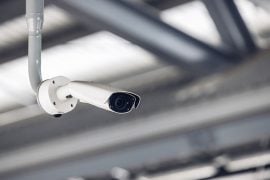
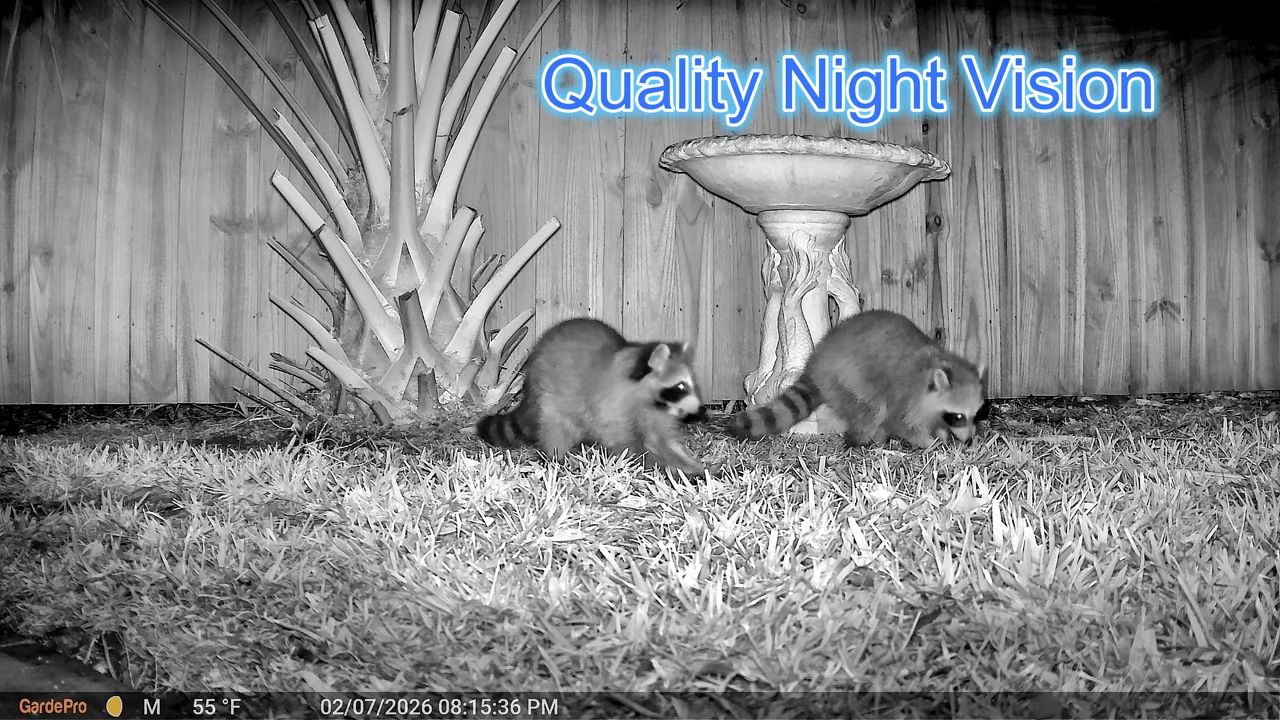
To secure your assets, you must deploy cameras equipped with 940nm No-Glow Infrared. These specialized LEDs emit a flash that is completely invisible to the human eye. The camera can record crystal-clear, high-definition evidence of a thief cutting a lock or draining a fuel tank in total darkness without emitting a single trace of light. The perpetrators will never realize they are being monitored, ensuring your hardware remains safe and your evidence is secured for law enforcement.
 Best Security Cameras for Remote Locations Without Internet (Cellular/4G)
While a Hub system is perfect for outbuildings within a 1-kilometer radius of the farmhouse, many farms span hundreds or even thousands of acres. For assets located at the absolute edge of your property boundaries—such as remote irrigation pivots, distant access gates, or isolated pastures—you need a truly standalone solution.
In these incredibly isolated zones, Cellular trail cameras serve as the necessary final layer of your security matrix. Operating entirely independently of Wi-Fi routers or base stations, these cameras use internal SIM cards to ping local cell towers and transmit real-time alerts. When paired with high-capacity lithium batteries and external solar panels, they create a self-sustaining security perimeter. This ensures that even the furthest corners of your acreage have an active, real-time defense system that requires virtually zero physical maintenance throughout the farming season.
Conclusion
Protecting an agricultural enterprise requires a fundamentally different approach than securing a residential home. By understanding the unique logistical challenges of farming—vast distances, exposed heavy equipment, and roaming livestock—you can design an off-grid security strategy that actually works in the real world.
Leveraging long-range Hub systems to eliminate monthly fees, utilizing AI tags to automatically index and filter out animal triggers, and deploying invisible 940nm IR technology will ensure your heavy assets remain safe.