Replacing a roof costs between $5,000 and $12,000 on average. If you want the quick answer to balancing cost and durability standard Asphalt Shingles are the cheapest upfront while metal roofing and architectural shingles offer the best middle ground for long-term value. Slate and clay tiles will last a century but cost an absolute fortune. I remember replacing the roof on my first house. It was stressful. You just want something that keeps the rain out without draining your savings entirely.
The reality of roofing costs
Labor is a massive chunk of the bill. It usually makes up 40 to 60 percent of the total cost depending on your local market. So when you look at materials you have to factor in how hard they are to install.
A cheaper material replaced twice will absolutely cost you more over 30 years than a slightly pricier option installed once. That is a hard pill to swallow when you stare at an initial estimate from a contractor. Most of us just look at the bottom line number.
I think it is important to look at the cost per year of service rather than just the sticker price.
We all want a bargain. But a roof is literally the only thing standing between your living room and a thunderstorm. Water damage is ruthless. It will ruin your drywall in a single afternoon if you let it.
Standard asphalt for tight budgets
Standard 3-tab asphalt shingles are still the most common roofing material in the US. They are cheap and relatively easy to install.
You can expect them to last about 15 to 25 years in most climates. Some roofers call them ‘three-tabs’ or just “standard” shingles. They do exactly what they are supposed to do. Protect your house for a couple of decades at a low entry price point.
But they are thin. High winds can tear them right off if you live in a storm prone region. I actually saw a whole row of 3-tab shingles blow off my neighbor’s roof during a mild spring squall a few years back. It was messy. They are great if you need a budget fix right now but don’t expect a lifetime of performance.
Why architectural shingles make sense
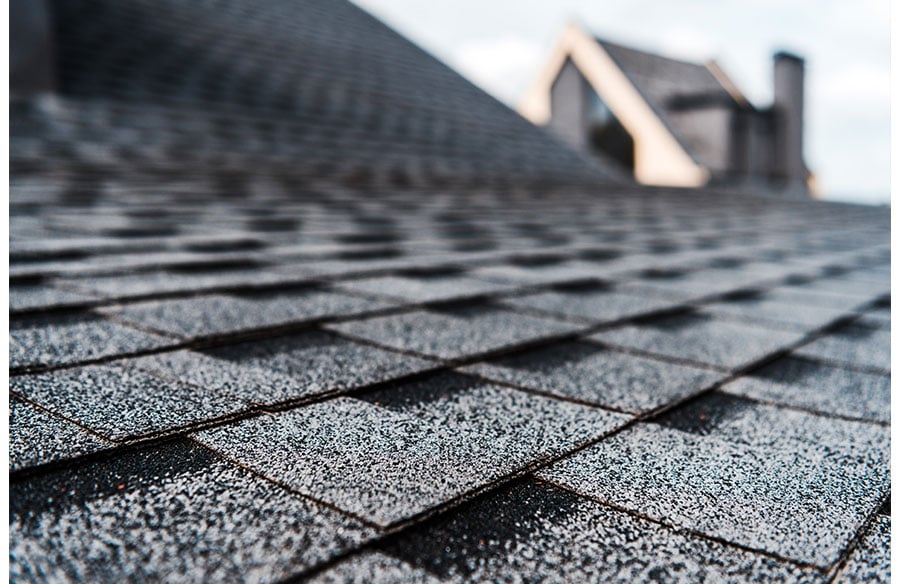
This is where things get interesting. Architectural asphalt shingles cost moderately more than the standard 3-tab variety but they are noticeably thicker and heavier.
Manufacturers build them with laminated layers. This gives them a dimensional look that people seem to love. More importantly it makes them much more resistant to wind uplift and harsh weather.
They usually last 25 to 30 years. Some premium brands even push that to 50 years under ideal conditions. For most homeowners this represents the best balance of upfront expense and longevity. You pay a bit more now but you buy yourself an extra decade of peace of mind.
Why pay double for something that just sits up there? Because peace of mind is worth a few extra dollars a month.
Metal roofing is a long game
Metal roofs have really grown in popularity lately. They are not just for barns and industrial buildings anymore.
A good standing seam metal roof can last 40 to 70 years. That is basically a lifetime for most homeownership stints. They shed snow like a dream which is fantastic if you live up north. Some of them even have cool roof coatings that reflect heat and might qualify for an Energy Star rating.
The initial price tag is definitely higher than asphalt. Sometimes it is double the cost. But if you plan to stay in your house for the long haul metal is incredibly cost effective over time. Plus it is highly resistant to impact damage from hail and falling branches.
Synthetic composite materials explained
Synthetic composite shingles are engineered to mimic natural slate or wood shakes. They are usually made from polymers or recycled rubber materials.
I suppose the appeal here is getting that premium aesthetic without the crushing weight or insane maintenance requirements. Wood shakes need constant attention to prevent rot and moss buildup. Synthetics do not. They just sit there looking pretty.
They usually carry lifespans of 40 to 50 years. The cost sits somewhere between high end asphalt & true slate. It is a solid middle ground if you want your house to stand out without having to reinforce your roof decking to accomodate the heavy load of real stone.
The heavy hitters clay and slate
If budget is not an issue clay tile and natural slate are the absolute kings of durability. We are talking lifespans of 75 to over 100 years.
Clay tiles give you that classic Mediterranean look and they are completely fire resistant. Slate is virtually indestructible when it comes to weather. Many historic buildings still have their original slate roofs from a century ago.
But they are incredibly heavy. Your house actually needs to be structurally evaluated to see if it can hold them up. And the installation requires specialized skills that most local crews simply do not possess. They are a MASSIVE investment.
Matching the roof to your climate
Your local weather should dictate your material choice just as much as your wallet does. Freeze-thaw cycles and heavy snow loads will destroy a weak roof in a matter of years.
For instance if you live in a place with brutal winters you need something that resists ice damming. Metal and high quality architectural shingles do this very well when paired with the right underlayment. Proper attic ventilation is also crucial here.
Finding the perfect intersection of price and lifespan requires understanding exactly what your property needs to stay protected. Working with reliable roofers in Appleton, WI can help you review these materials and choose a system engineered to withstand local seasonal challenges. Experienced pros know exactly what works in your specific zip code.
Final Thoughts
Picking a roofing material is stressful. You are basically gambling on the weather for the next thirty years.
I think the smartest move for most folks is to buy the best material you can comfortably afford without stretching your finances too thin. Architectural shingles are usually the safest bet. Metal is fantastic if you have the cash upfront.
Take your time and get multiple quotes. Talk to different contractors. A good roof is a quiet guardian and you will rarely think about it once it is up there doing its job. Just make sure you choose a material that lets you sleep soundly when the wind starts howling.