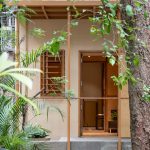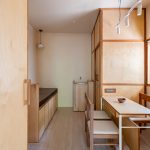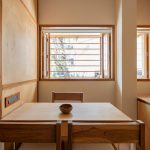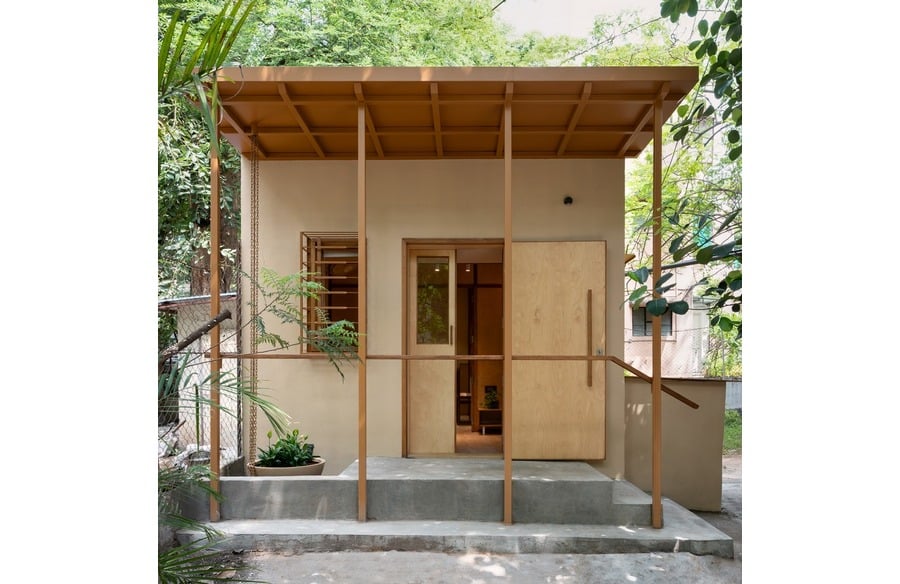
This architectural project reimagines the idea of a healthcare facility by embedding it within a natural and contextual framework—an intentional contrast to the stark, commercial clinics that dominate the urban landscape. Located along Bhandarkar Road in Pune, a dense and dynamic urban setting, the clinic asserts a distinct identity. This is not through imposing form or scale, but rather through a thoughtful material palette and design language that harmonizes with its environment.
Project Name: Urban Sactuary
Studio Name: AD Design Workshop
Project Location: Pune, Maharashtra, India
Completion Year: 2025
Total Built Area: 220 sq.ft.
Photo Credits: Pranit Bora Studio
The project begins with a critical understanding of the interdependence between built form, natural elements, and the layered realities of the urban context. It avoids the conventional approach of isolating the building from its surroundings. Instead, it engages with the site and its materiality, drawing from both tangible aspects—such as form, function, and material—and intangible aspects like atmosphere, emotional impact, and sensory experience.
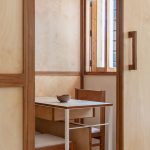
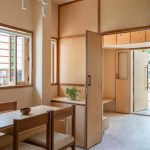
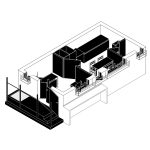
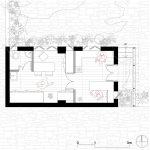
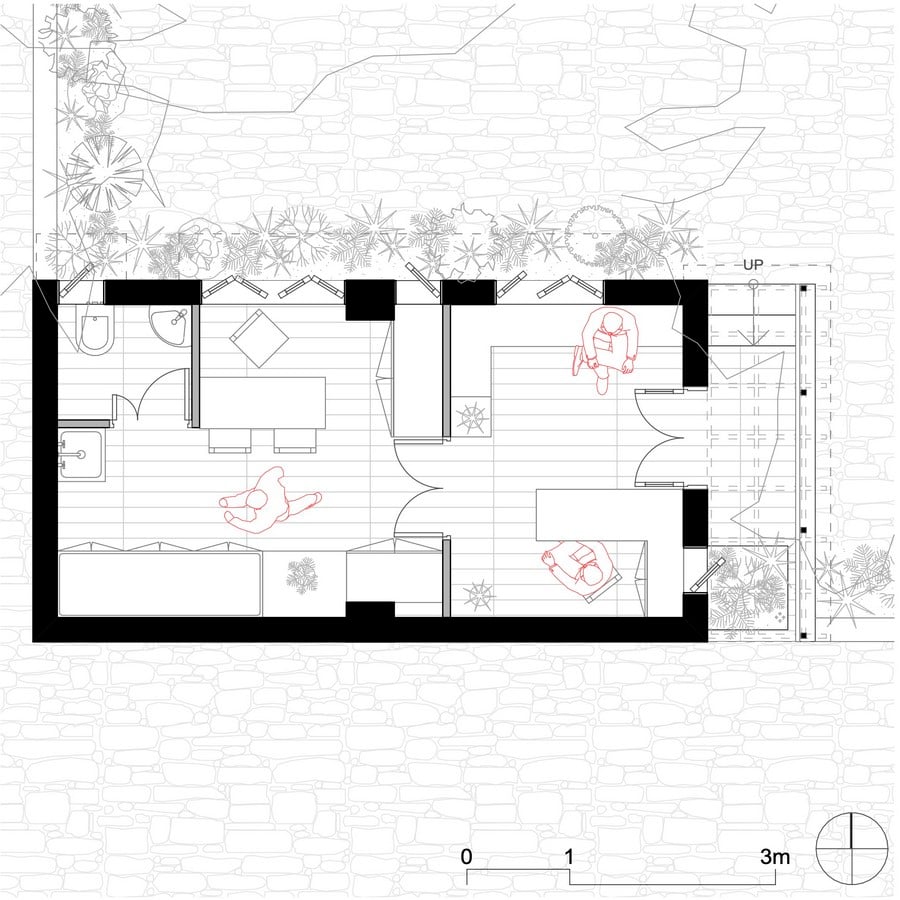
Central to the project’s vision is the integration of natural materials that speak to both aesthetic sensibility and psychological well-being. The clinic is planned with a strong emphasis on functionality—given its programmatic needs—yet it does not compromise on spatial quality and emotional resonance. The layout is efficiently organized, catering to reception and waiting zones, consultation spaces, and circulation areas. However, what elevates this planning is its seamless merging with natural materials and light to create a calm and grounded atmosphere.
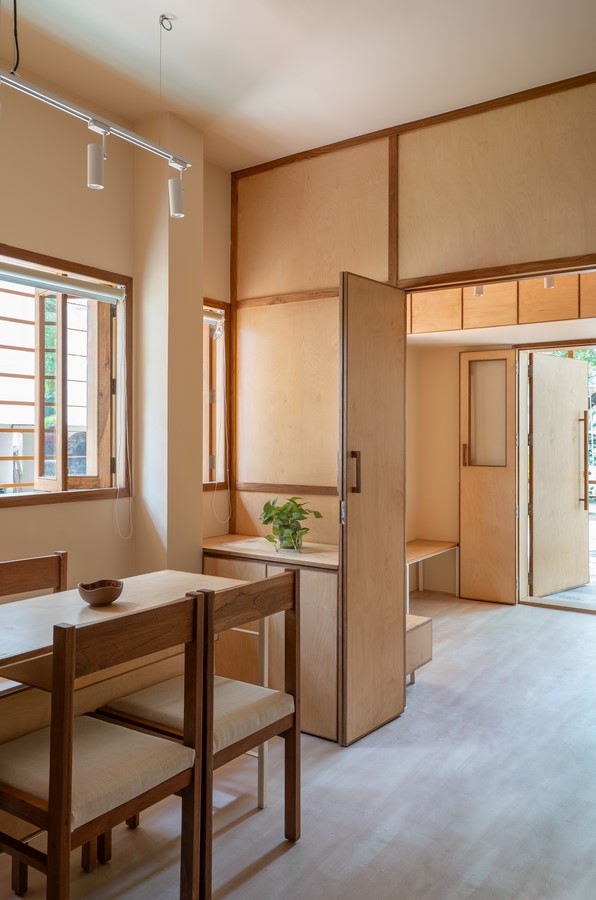
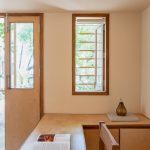
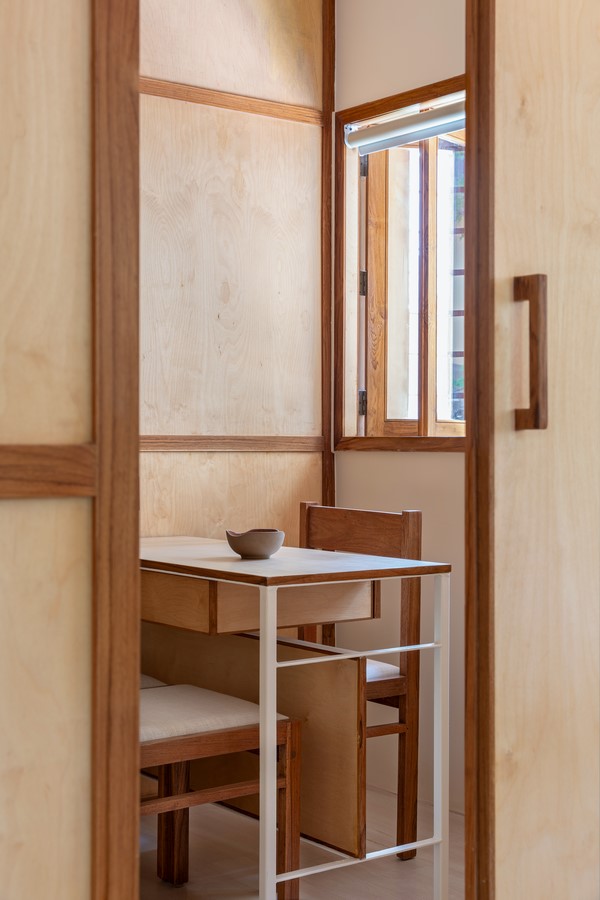
The material strategy is deliberately simple but deeply effective. Teak wood is employed as the primary interior material—not merely for its durability and strength, but for its proven positive effects on human psychology. Wood, and especially teak, has been shown to reduce activation of the sympathetic nervous system. This physiological response translates into a tangible reduction in stress and anxiety—an invaluable feature in a healthcare environment. The presence of teak in surfaces, furniture, and spatial elements adds warmth, familiarity, and a deep sense of comfort, almost reminiscent of home. In an environment typically associated with clinical sterility, this choice invites healing and calm.
This materiality extends to the exterior of the structure, where muted tones of beige and brown are used in combination with the surrounding greenery. These earthy hues do more than complement the foliage—they visually anchor the building in its context, creating a seamless transition from the street to the interior. The result is a space that feels welcoming and approachable, rather than intimidating or sterile. The choice of materials thus becomes a critical part of the narrative, not only enhancing the building’s aesthetic appeal but also making a psychological and emotional statement.
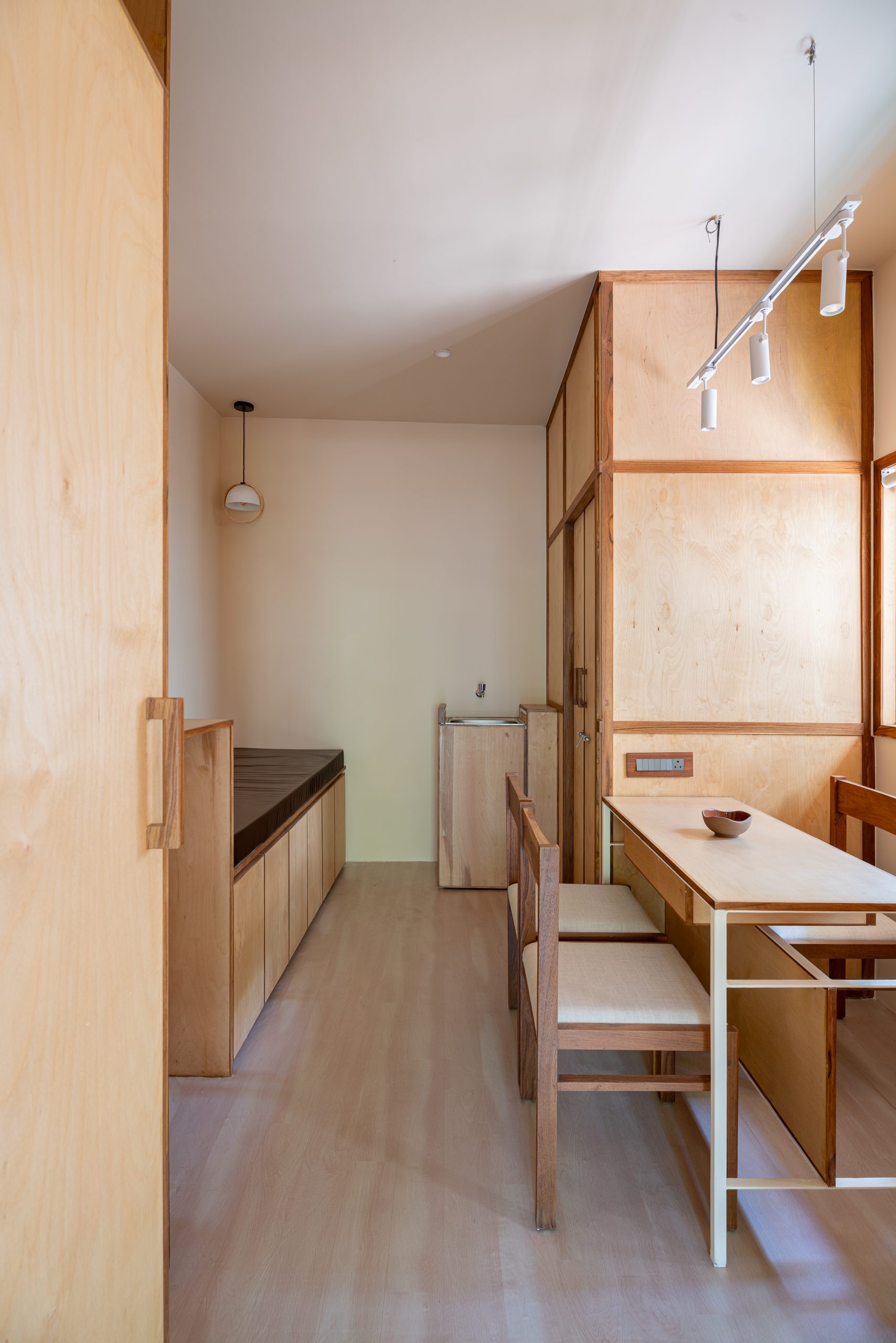
What also distinguishes this clinic is its subtle defiance of conventional construction norms. Instead of relying heavily on concrete and steel, the structure explores a more tactile and sensory-oriented approach, with wood playing a central structural and design role. This decision, though seemingly simple, carries profound implications—not just in construction methodology, but in how architecture can reshape expectations in institutional settings. It is a quiet but confident departure from the norm.
Beyond materiality, the design reflects an understanding of acoustics and privacy, key concerns in any healthcare setting. Each space within the clinic is carefully curated to offer visual and auditory comfort, ensuring that patients experience the space as tranquil rather than clinical. Strategic spatial planning and detailing further support this intent, allowing the space to breathe, absorb, and respond to the needs of its users.
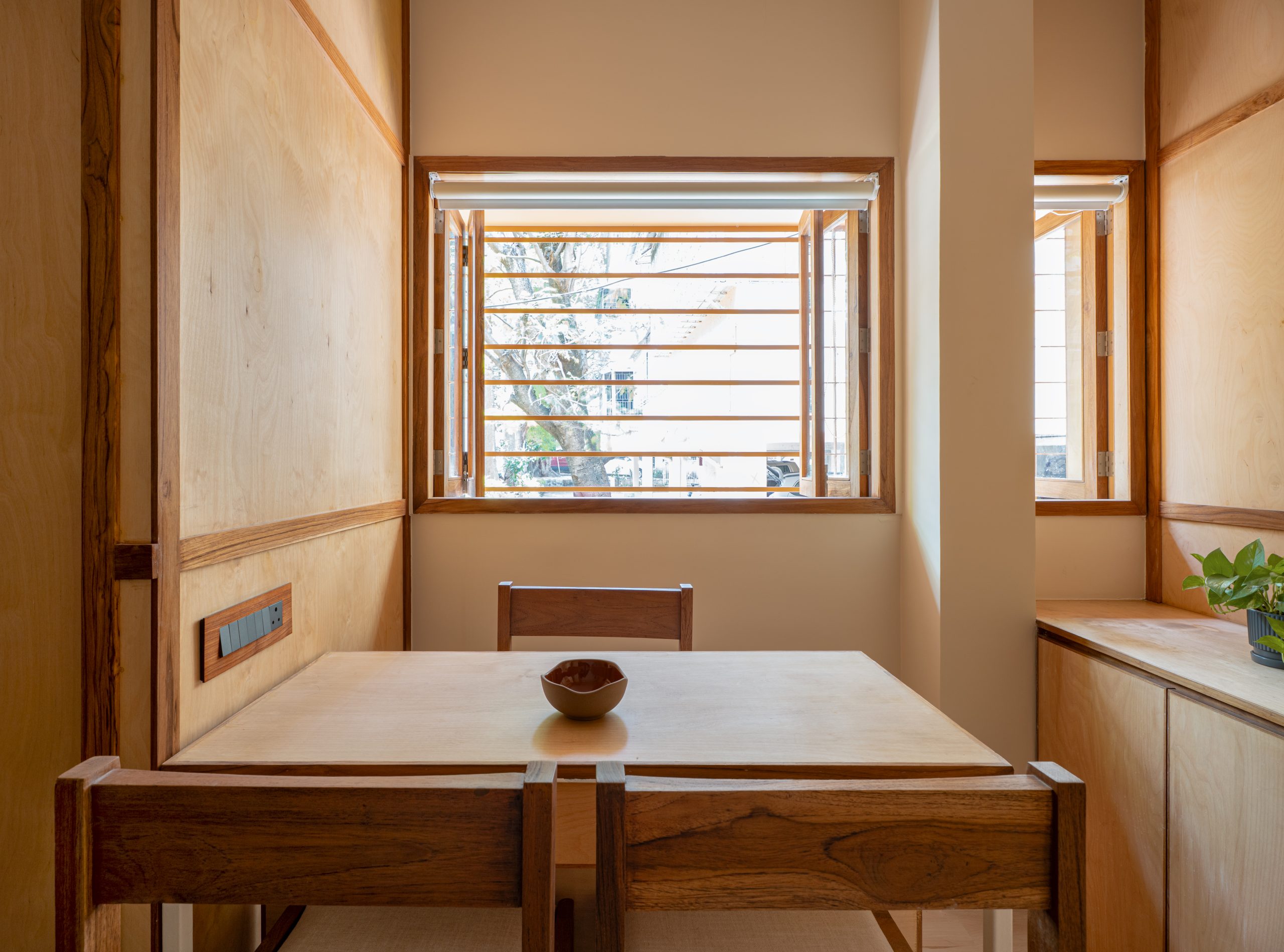
Economic viability is also a core consideration in the project. The materials used, while elegant and rich in character, are employed with restraint and intention. There is no excessive ornamentation—only honest detailing and clarity in architectural expression. This balance of function, economy, and beauty reflects a mature design approach that understands the realities of urban construction while aspiring for experiential richness.
Ultimately, the clinic serves as an exemplar of what healthcare architecture can aspire to be. By merging architectural clarity with empathetic design, the project expands the role of the architect. Here, the architect is not merely a designer of space but a facilitator of well-being—a curator of healing experiences. In rejecting the sterile, impersonal aesthetic often associated with medical spaces, the clinic sets a new precedent.
This project, though modest in scale, is a meaningful shift in how we conceive spaces of care. It is a statement—quiet, elegant, and deeply rooted in empathy—about the future of healthcare design. It calls for environments that support recovery not just through medical intervention, but through the architecture itself. It is both a rebellion against the status quo and a sensitive response to the emotional and spatial needs of patients.
In essence, the clinic is more than a built space. It is an idea brought to life—a carefully crafted environment where healing begins the moment one steps inside.