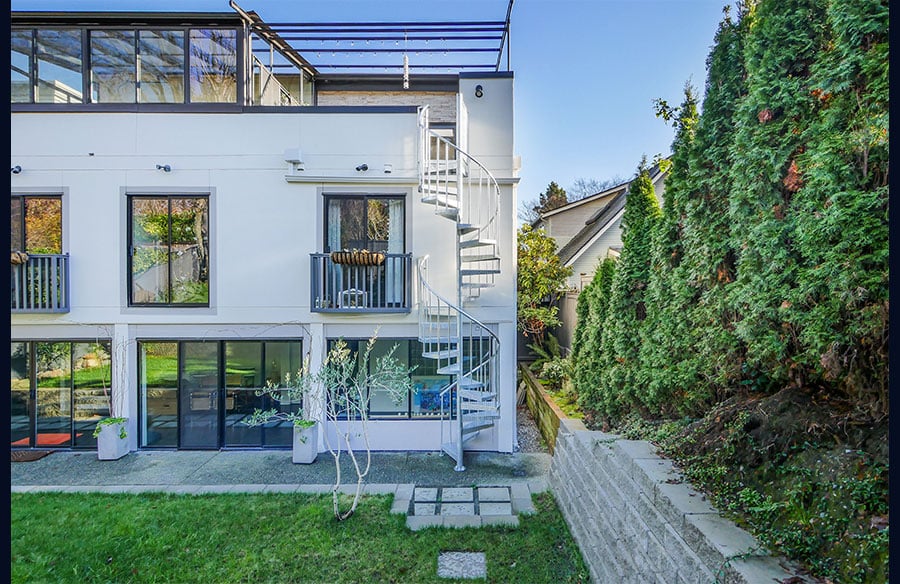
Adding an exterior staircase can make a home more functional, accessible, and versatile. Whether it connects a deck to a backyard, provides access to a rooftop terrace, links an upper-level apartment, or creates a secondary entrance, an outdoor stair system can improve how a property is used every day.
However, exterior staircases require careful planning. Unlike interior stairs, outdoor stairs must withstand weather, moisture, temperature fluctuations, and long-term exposure to the elements. They also need to meet local building codes and complement the home’s exterior design.
Before choosing a stair style or beginning installation, homeowners should consider the following factors.
1. Purpose and Location
The first step is determining how the exterior staircase will be used.
A staircase leading from a deck to a backyard may have different requirements than one serving a second-story entrance, guest suite, garage loft, or rooftop deck. Daily-use stairs typically prioritize comfort and durability, while secondary-access stairs may place greater emphasis on space efficiency.
Common exterior staircase applications include:
- Deck access
- Balcony access
- Rooftop terrace access
- Secondary entrances
- Garage lofts or apartments
- Backyard access from upper levels
- Emergency or alternate egress routes
Location matters as well. A staircase positioned along the side of a home may need to fit within a narrow footprint, while one attached to a deck or patio may have more flexibility.
2. Available Space
Exterior staircases often require more room than homeowners initially expect. Traditional straight staircases need enough horizontal run to safely connect one elevation to another, which can consume a significant portion of a yard, patio, or outdoor living area.
For homes where space is limited, compact stair designs can be worth exploring. Homeowners researching options for smaller outdoor footprints often review examples of an exterior spiral staircase kit because these systems can provide efficient vertical access while preserving more usable outdoor space.
The ideal stair configuration depends on site conditions, intended use, and local code requirements.
3. Building Codes and Permits
Exterior staircases must comply with local building codes, which may regulate:
- Tread depth
- Riser height
- Stair width
- Handrail placement
- Guardrail height
- Landing dimensions
Requirements vary by jurisdiction, so homeowners should consult their local building department or work with a qualified contractor before beginning a project.
Permits are often required for exterior stairs, especially when they connect to elevated decks, second-story entrances, or accessory dwelling units.
Planning ahead can help avoid delays, failed inspections, and costly modifications later.
4. Material Selection
Choosing the right material is one of the most important decisions when planning an exterior staircase. Outdoor stairs must withstand years of exposure to rain, snow, sunlight, temperature changes, and regular foot traffic.
Many homeowners today prioritize materials that combine durability, weather resistance, and low maintenance.
Powder-Coated Aluminum
Powder-coated aluminum has become a popular choice for exterior stair systems because it offers excellent corrosion resistance while remaining lightweight and durable.
Unlike traditional steel, aluminum naturally resists rust, making it particularly well-suited for coastal environments, humid climates, and regions that experience frequent precipitation. The powder-coated finish provides an additional layer of protection while offering a wide variety of color and finish options.
Benefits:
- Excellent corrosion resistance
- Lightweight yet strong
- Low maintenance requirements
- Available in multiple colors and finishes
- Performs well in many climates
Considerations:
- Higher upfront cost than some materials
- Different aesthetic than traditional steel stair systems
Galvanized Steel
Galvanized steel remains one of the most durable materials available for exterior staircases. The protective zinc coating helps prevent rust and corrosion, making it suitable for long-term outdoor use.
Its strength makes galvanized steel particularly attractive for elevated decks, rooftop access points, and other applications where durability is a priority.
Benefits:
- Exceptional structural strength
- Long lifespan
- Suitable for high-traffic areas
- Performs well in challenging weather conditions
Considerations:
- Heavier than aluminum
- Protective coatings should be inspected periodically
Composite Materials
Composite materials are frequently used for stair treads and decking surfaces. Manufactured from a blend of recycled wood fibers and polymers, composite products resist moisture, splintering, rot, and insect damage better than traditional wood.
They are often paired with metal stair structures to create a durable, low-maintenance outdoor staircase system.
Benefits:
- Minimal maintenance requirements
- Resistant to rot and insect damage
- Available in multiple colors and textures
- Comfortable walking surface
Considerations:
- Typically requires a structural support system
- Higher upfront cost than some wood alternatives
Choosing the Right Material
| Material | Best For | Maintenance Level |
| Powder-Coated Aluminum | Coastal climates, modern homes, low-maintenance applications | Low |
| Galvanized Steel | High-traffic areas, elevated access points, maximum durability | Low to Moderate |
| Composite Materials | Residential decks, outdoor living spaces, low-maintenance surfaces | Low |
For many homeowners, combining a metal stair structure with composite treads provides an effective balance of durability, weather resistance, and long-term ease of maintenance.
5. Weather and Climate Considerations
Climate should influence nearly every exterior staircase decision.
In coastal environments, corrosion resistance is often a top priority. In colder regions, homeowners should consider how easily stairs can be cleared of snow and ice. In areas with heavy rainfall, drainage and slip resistance become particularly important.
Factors to evaluate include:
- Moisture exposure
- Snow and ice accumulation
- UV exposure
- Wind conditions
- Drainage around the staircase
- Slip-resistant walking surfaces
Selecting materials designed for local environmental conditions can significantly extend the lifespan of the staircase.
6. Safety Features
Because outdoor stairs are exposed to the elements, safety should be a primary consideration.
Important safety features include:
- Secure handrails
- Code-compliant guardrails
- Slip-resistant treads
- Adequate lighting
- Stable mounting and support systems
- Properly sized landings
Lighting is especially important for nighttime visibility. Stair-mounted fixtures, wall sconces, and motion-activated lighting can help improve safety and usability after dark.
7. Maintenance Requirements
Every exterior staircase requires periodic inspection and maintenance, though the level of upkeep varies by material.
Powder-coated aluminum and composite materials generally require little more than routine cleaning. Galvanized steel may benefit from occasional inspections to ensure protective finishes remain intact.
Homeowners should consider long-term maintenance obligations alongside initial installation costs when comparing staircase options.
8. Visual Fit with the Home
An exterior staircase should complement the home’s overall architecture rather than appear as an afterthought.
Material choices, railing styles, colors, and finishes should coordinate with existing decking, siding, trim, and landscaping. Contemporary homes often pair well with metal stair systems, while other designs may benefit from different material combinations.
A staircase that feels integrated into the home’s design can enhance both curb appeal and functionality.
9. Professional Installation vs. DIY
Some exterior stair projects may be appropriate for experienced DIY homeowners, while others are best handled by professionals.
Factors that may warrant professional installation include:
- Elevated structures
- Complex site conditions
- Permit requirements
- Structural attachments to the home
- Local code compliance considerations
Professional guidance can help ensure the staircase is safe, durable, and built to applicable standards.
Final Thoughts
An exterior staircase can improve access, expand usable outdoor space, and enhance a home’s functionality. However, selecting the right design requires careful consideration of available space, materials, safety requirements, local codes, and long-term maintenance needs.
By evaluating these factors before beginning a project, homeowners can choose an outdoor staircase solution that serves their needs while complementing their property’s design for years to come.