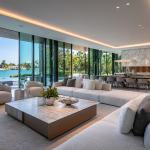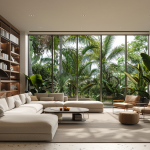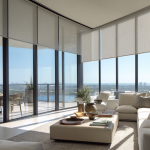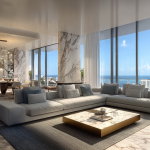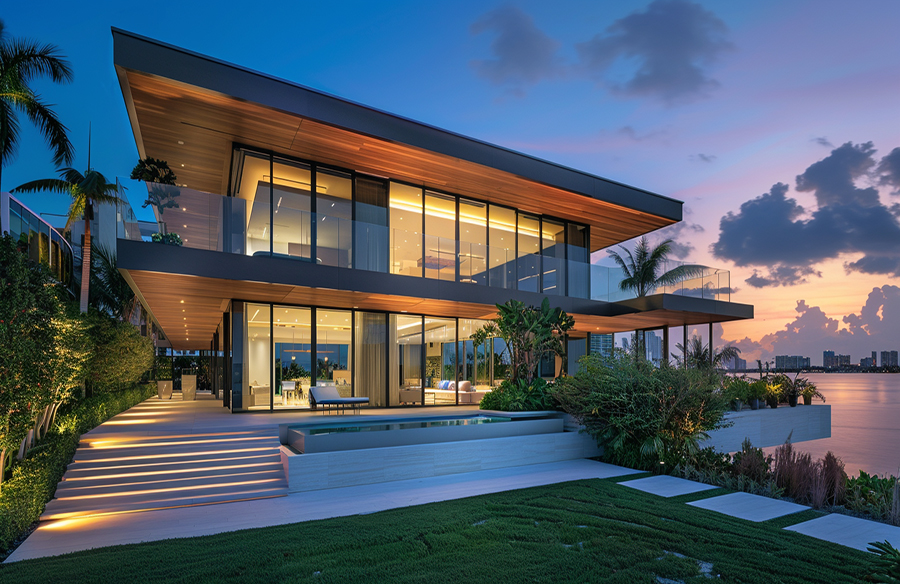
Miami’s luxury interior design landscape continues to evolve as homeowners and designers embrace a sophisticated blend of contemporary aesthetics and coastal living. The year 2026 marks a pivotal moment where Luxury Interior Design Trends are increasingly defined by sustainability, biophilic elements, and the seamless integration of indoor-outdoor spaces. As the city’s most discerning residents seek to elevate their homes, the convergence of cutting-edge design principles with Miami’s unique tropical climate creates an extraordinary opportunity for creating spaces that are both visually stunning and environmentally conscious. Understanding these emerging trends is essential for anyone looking to invest in a home that reflects both current design sensibilities and timeless elegance.
The transformation of Miami’s luxury market in 2026 represents a departure from purely ornamental design toward a more holistic approach that prioritises wellness, sustainability, and authentic living experiences. Whether you’re renovating an existing property or building from scratch, consulting with a Natalia Neverko Interior Designer Miami can help you navigate these evolving preferences and create a space that truly captures the essence of modern Miami luxury.
 Sustainable Luxury: The New Definition of Elegance
The concept of luxury has fundamentally shifted in Miami’s design community. No longer is opulence measured solely by material excess; instead, it reflects a commitment to environmental stewardship and responsible design practices.
Eco-Conscious Material Selection
Today’s luxury interiors prioritise materials that are both exquisite and sustainable. Designers are increasingly sourcing reclaimed wood, FSC-certified timber, and recycled materials that maintain exceptional quality whilst reducing environmental impact. Natural stone from ethical suppliers, low-VOC paints, and sustainable textiles crafted from organic fibres are becoming standard specifications in high-end Miami homes. This shift demonstrates that true luxury is about creating beauty that doesn’t compromise the future.
Energy-Efficient Design Systems
Modern luxury homes in Miami are incorporating state-of-the-art energy management systems that seamlessly integrate with sophisticated interior design. Smart climate control, solar integration, and passive cooling strategies are no longer afterthoughts but central design elements. These systems maintain optimal comfort whilst significantly reducing energy consumption, allowing homeowners to enjoy their spaces guilt-free whilst maintaining the sophisticated aesthetic they desire.
 Biophilic Design and Nature Integration
The integration of nature into luxury interiors has evolved from decorative greenery to a fundamental design philosophy that enhances wellbeing and creates deeper connections to the natural world.
Living Walls and Botanical Features
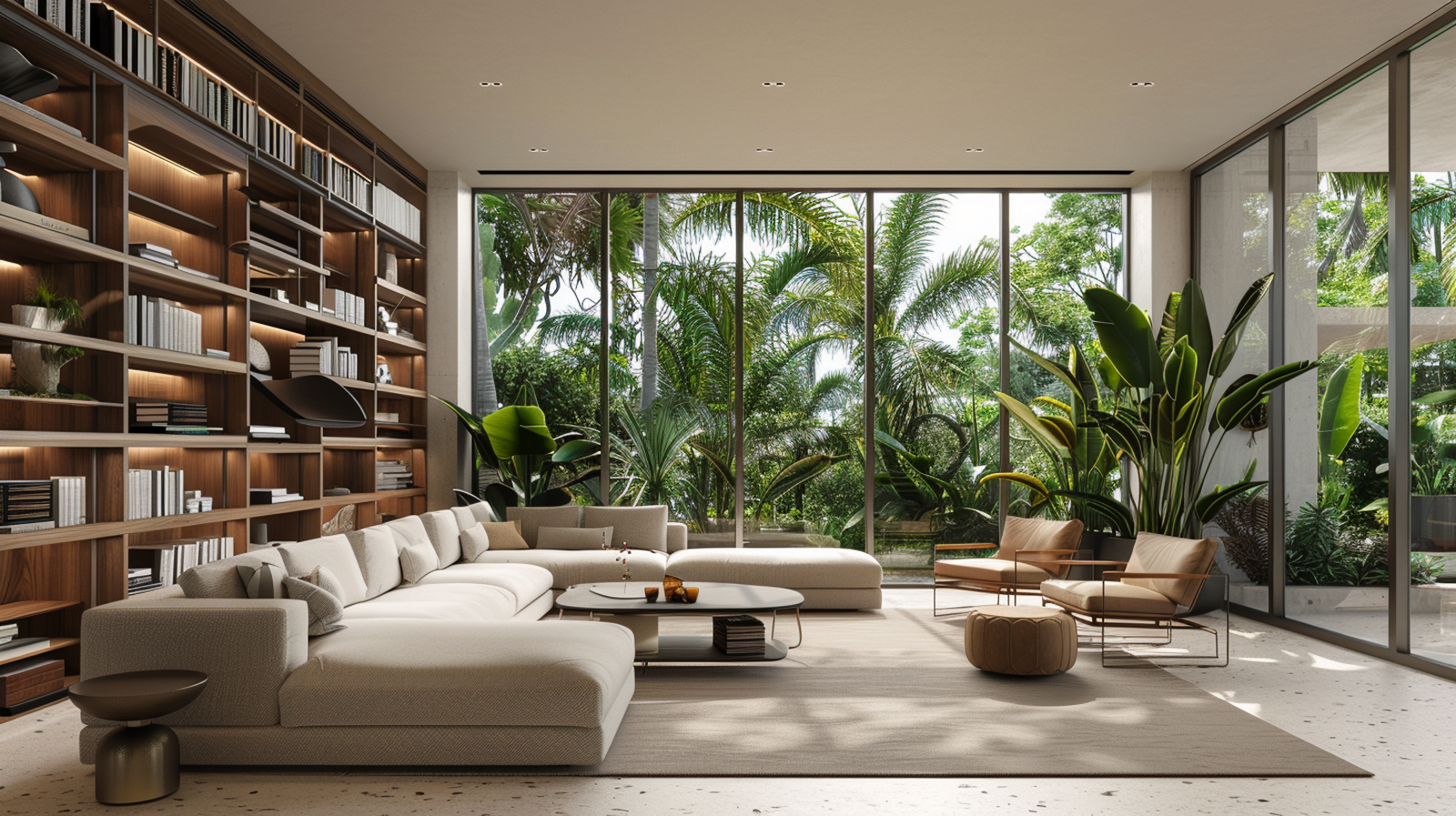
Vertical gardens, living walls, and extensive indoor plant installations have become signature elements in Miami’s most prestigious residences. These installations go beyond simple aesthetics; they improve air quality, regulate humidity naturally, and create a sense of tranquillity within urban environments. Designers are creating sophisticated botanical displays that serve as focal points, incorporating rare specimens and custom irrigation systems that maintain these living installations effortlessly.
Water Features and Sensory Experiences
Luxury design in 2026 emphasises multi-sensory experiences, with water features playing a crucial role. From minimalist indoor fountains to elaborate water walls, these elements introduce calming sounds and visual interest whilst contributing to humidity regulation in Miami’s climate. The strategic placement of water features creates zones of tranquillity within expansive open-plan spaces, enhancing the overall wellness quotient of the home.
 Maximising Natural Light and Views
Miami’s abundant sunshine and stunning vistas are invaluable assets that luxury design leverages through innovative window treatments and architectural strategies.
Advanced Glazing Technologies
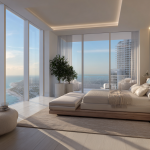
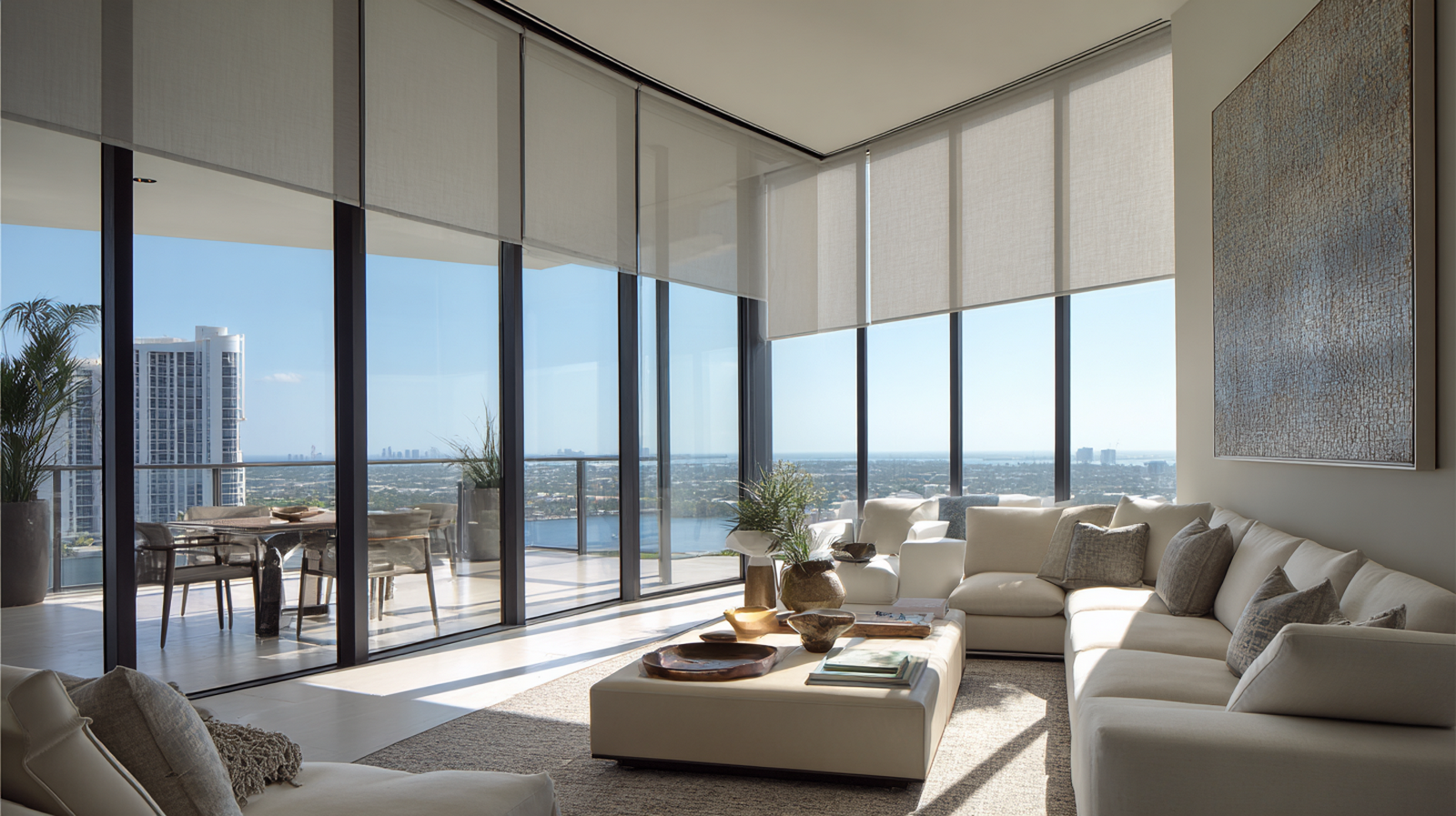
Contemporary luxury homes feature high-performance glass systems that maximise natural light whilst protecting interiors from harmful UV rays and excessive heat. Smart glass technology that adjusts opacity based on sunlight intensity is becoming increasingly popular, allowing homeowners to maintain privacy and temperature control without sacrificing the visual connection to the outdoors. These technological innovations are seamlessly integrated into minimalist architectural frameworks that prioritise clean lines and unobstructed views.
Strategic Shading Solutions
Sophisticated shading systems, including motorised blinds, retractable screens, and architectural overhangs, are designed to complement rather than detract from interior aesthetics. These elements are often custom-designed to match the overall design scheme, ensuring that practical climate control measures enhance rather than compromise the visual harmony of the space. An experienced Interior Designer Miami understands how to balance these functional requirements with aesthetic excellence.
 Open-Plan Living with Defined Zones
The traditional compartmentalised floor plan has given way to expansive, flowing spaces that accommodate modern living whilst maintaining distinct functional areas.
Flexible Spatial Design
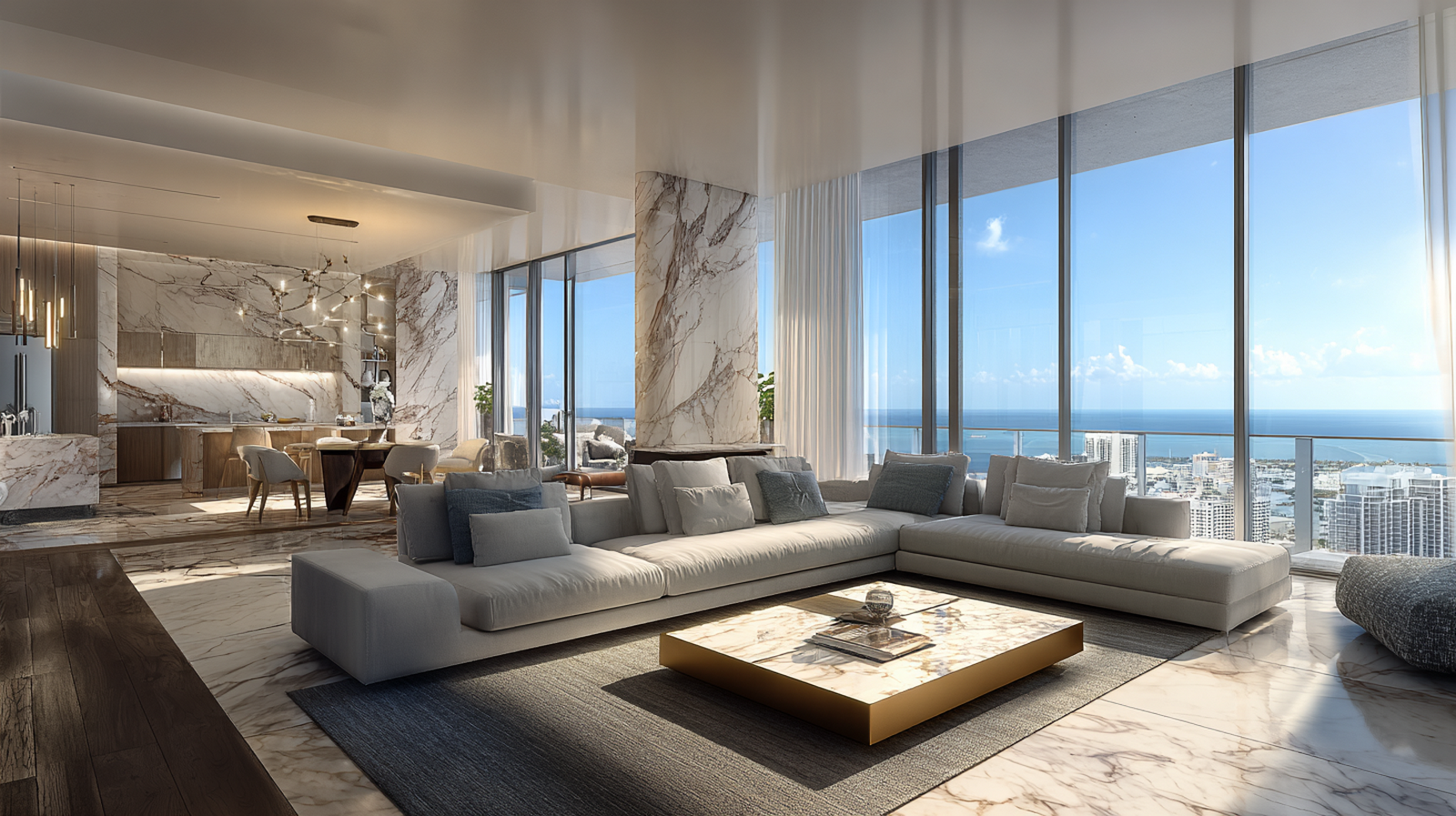
Luxury homes in Miami increasingly feature open-plan layouts that can be adapted to suit various activities and entertaining styles. Rather than fixed walls, designers employ subtle transitions using flooring materials, lighting design, and furniture placement to define different zones. This approach maintains visual continuity whilst allowing for privacy and functional separation when needed, creating spaces that are both sophisticated and practical.
Seamless Indoor-Outdoor Integration
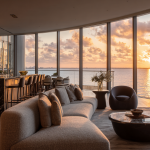
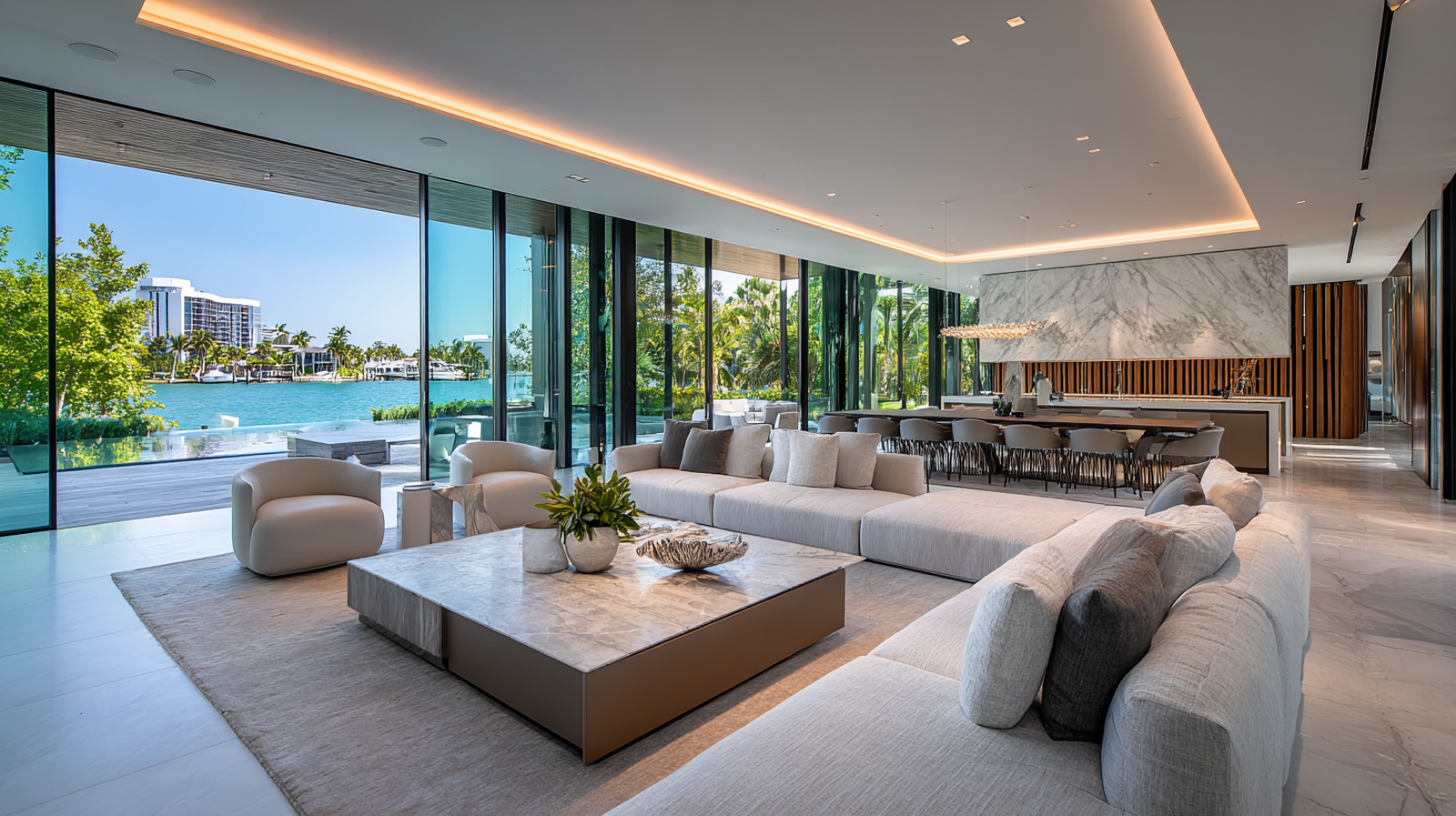
The ultimate expression of Miami luxury is the seamless connection between interior and exterior spaces. Retractable glass walls, continuous flooring materials, and coordinated design schemes that extend from the living room to the patio create a unified aesthetic. These spaces are designed for year-round enjoyment, with weather-resistant furnishings and sophisticated outdoor kitchens that rival their indoor counterparts in terms of design refinement.
 Artisanal Craftsmanship and Bespoke Elements
2026 sees a resurgence of appreciation for handcrafted elements and bespoke design solutions that reflect individual personality and taste.
Custom Furniture and Architectural Details
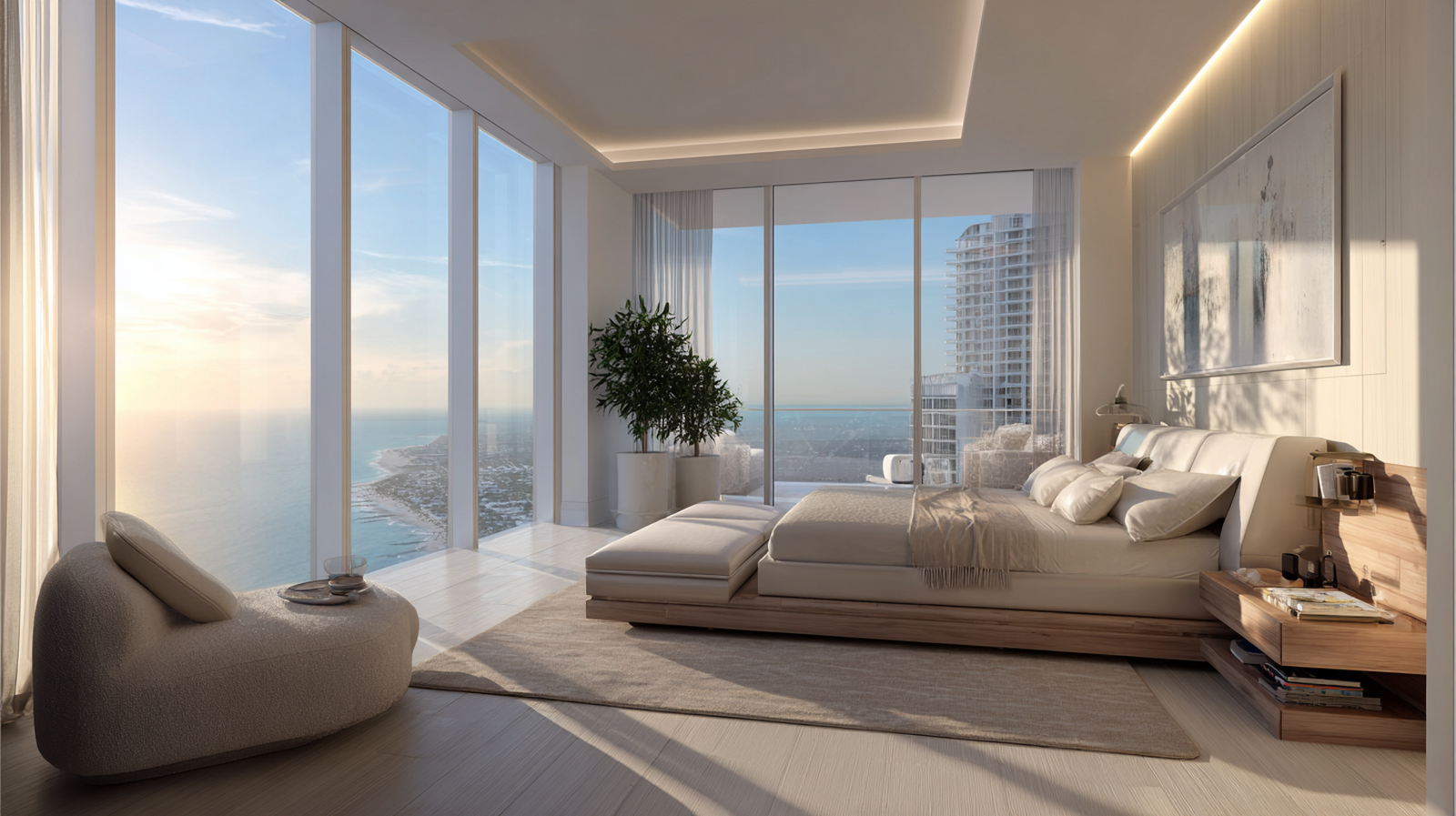
Luxury design increasingly emphasises unique, custom-created pieces that showcase exceptional craftsmanship. From bespoke cabinetry to handcrafted lighting fixtures, these elements serve as conversation pieces that elevate the entire interior. Designers collaborate with local artisans and international craftspeople to create one-of-a-kind installations that cannot be replicated, adding genuine value and distinctiveness to Miami’s most prestigious residences.
Curated Art and Collectible Integration
The integration of fine art and collectible pieces has become central to luxury interior design. Rather than treating art as decoration, designers are creating gallery-like environments where carefully curated pieces are displayed with appropriate lighting and spatial context. This approach transforms homes into personal museums that reflect the owner’s aesthetic sensibilities and cultural interests.
 Technological Integration and Smart Home Innovation
The seamless integration of technology into luxury interiors represents a defining characteristic of 2026’s design landscape.
Invisible Technology Solutions
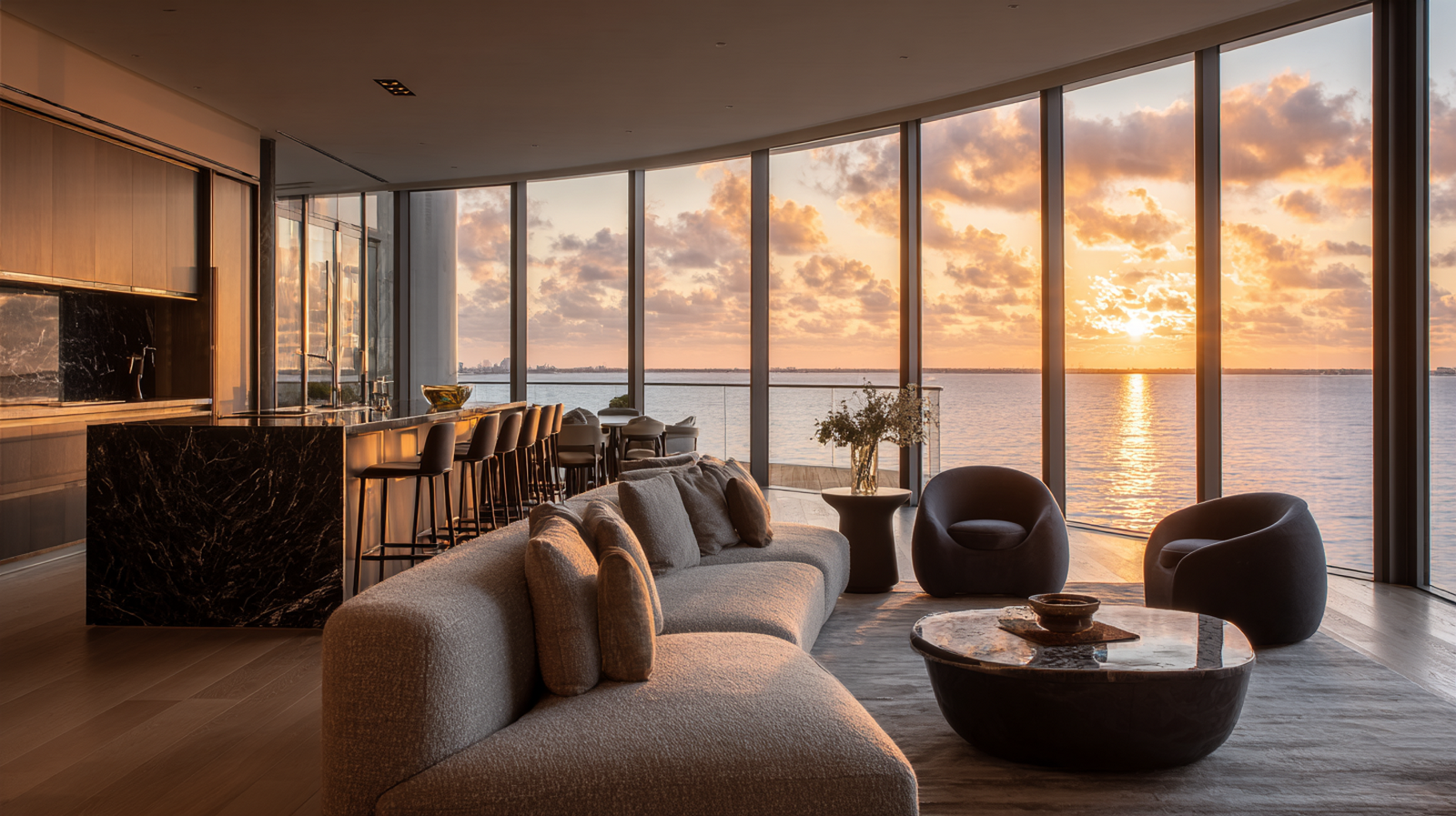
Modern luxury design prioritises technology that enhances functionality without compromising aesthetics. Concealed speakers, hidden charging stations, and integrated smart home systems operate seamlessly in the background, allowing residents to control lighting, climate, security, and entertainment through intuitive interfaces. The goal is to create spaces where technology serves the design rather than dominating it.
Wellness-Focused Smart Systems
Advanced home systems now incorporate wellness features such as circadian lighting that mimics natural daylight patterns, air purification systems that maintain optimal indoor air quality, and acoustic design that minimises unwanted noise. These innovations reflect a growing understanding that luxury is ultimately about creating environments that support physical and mental wellbeing.
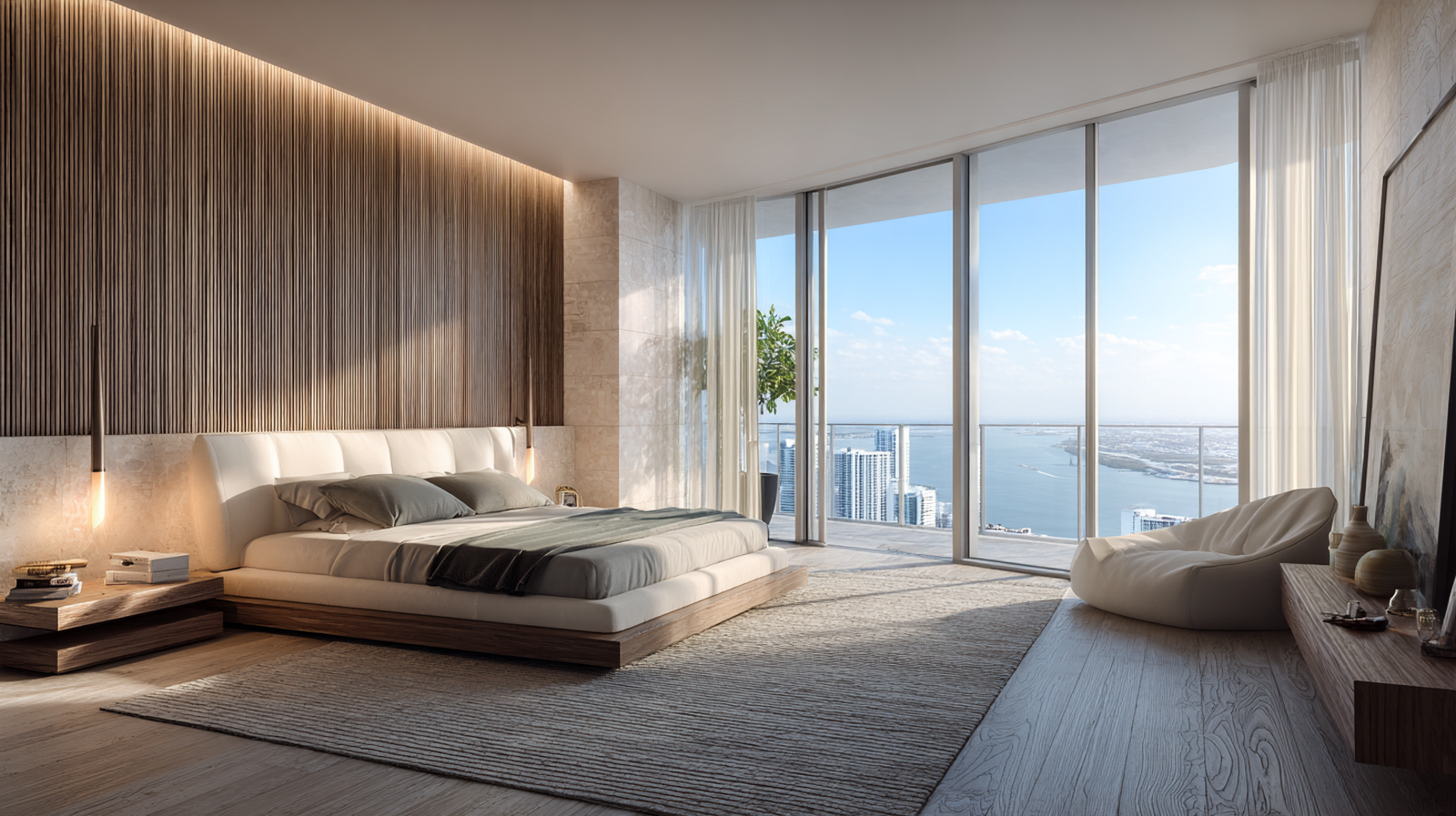 Colour, Texture, and Material Sophistication
The colour palettes and material choices in Miami’s luxury interiors for 2026 reflect a refined understanding of how design elements influence mood and perception.
Neutral Sophistication with Accent Depth
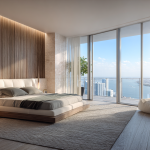
Contemporary luxury design favors restrained colour palettes dominated by sophisticated neutrals—warm whites, soft greys, and natural beiges—that serve as a canvas for carefully selected accent colours. Rather than bold, statement-making hues, designers are introducing colour through textiles, artwork, and natural materials, allowing these elements to shine without overwhelming the space. This approach creates visual interest whilst maintaining the calm, sophisticated atmosphere that defines modern luxury.
Textural Layering and Material Contrast
The interplay of different textures and materials creates depth and visual richness in luxury interiors. Smooth polished surfaces contrast with rough natural stone, soft linens with sleek metals, and matte finishes with subtle gloss. This sophisticated layering technique prevents spaces from feeling sterile or cold, instead creating warm, inviting environments that reward close examination and extended time spent within them.
Miami’s luxury interior design trends for 2026 represent a maturation of the industry, where true elegance is defined by thoughtful integration of sustainability, technology, and timeless design principles. Whether you’re planning a complete renovation or selective upgrades, working with experienced design professionals ensures that your space reflects both current trends and enduring style.