3D architectural visualizations are often seen as a technical step near the end of a project, but that view misses their real purpose. Architectural design has always been about people, memory, and use. Every building carries intent, emotion, and cultural meaning. Narrative-driven design makes those elements visible before construction begins. Visualization becomes the language that translates drawings into experience. Instead of asking stakeholders to interpret plans, it invites them to feel space, scale, and atmosphere. This approach reframes visualization as a storytelling medium rather than a static image. Through careful control of light, materials, and context, visual narratives enable architects and clients to mentally walk through future spaces. They sense how a lobby welcomes, how a corridor flows, or how a courtyard rests. The story starts early, long before concrete is poured, and it shapes decisions at every stage.
Lighting as the Emotional Pulse of Architectural Narratives
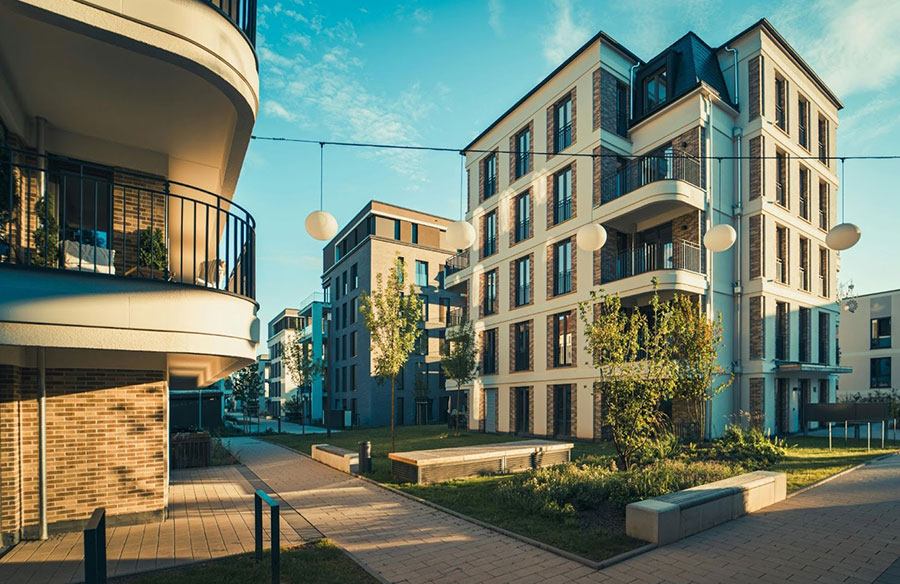
Light defines how a space feels long before it is physically entered. In visualization, lighting is never neutral. It establishes mood, rhythm, and psychological tone. Techniques such as global illumination simulate how light bounces between surfaces, creating believable depth and softness. Warm color temperatures suggest comfort and privacy, often used in residential narratives. Cooler tones introduce clarity and order, fitting corporate or technological spaces. Shadows matter just as much as highlights. They give weight to forms and guide the viewer’s attention. By shaping contrast and exposure, artists control where the eye rests and where the story unfolds. Time of day also plays a role. Morning light implies routine and beginning. Evening light suggests closure or intimacy. Lighting becomes the emotional pulse that aligns architecture with its intended human experience.
Texture and Materiality: Defining the Tactile Story
Material choice communicates values without words. In a visualization, textures carry the tactile story of a building. Rough concrete, weathered wood, polished stone, and reflective glass each imply different relationships with time, craft, and environment. These surfaces hint at durability, luxury, restraint, or openness. High-quality texturing allows viewers to imagine touch, temperature, and weight. Light interacting with material completes the illusion. Matte surfaces absorb light and feel grounded. Glossy finishes reflect surroundings and suggest precision or modernity. Materiality also anchors a project culturally. Local stone or traditional finishes can reference heritage, while advanced composites point to innovation. This layer of storytelling transforms geometry into place, giving digital structures a sense of physical presence.
The Art of Lived-In Details and Cultural Context
Empty spaces rarely feel real. Narrative visualization relies on subtle details that suggest daily life. Furniture placement, personal objects, and environmental elements introduce scale and purpose. A book left open on a table or a bicycle resting near an entrance implies routine and ownership. These details are not decoration. They provide cultural grounding. Local plants, regional climate cues, and familiar urban patterns help viewers recognize themselves in the space. The weather also plays a role. Overcast skies, dust in the air, or soft rain change how a project is perceived emotionally. By embedding these cues, artists turn abstract design into lived reality. The building ceases to be an object and becomes part of a community narrative.
Strategic Benefits of Narrative Visualization in the Design Process
Narrative visualization serves practical goals beyond visual appeal. Stories are easier to understand than specifications. When investors or authorities review a project, emotional clarity speeds alignment. A clear narrative reduces misinterpretation and shortens approval cycles. It also reveals design issues early. Circulation problems, awkward proportions, or disconnected zones become obvious when seen in context. This process encourages collaboration. Architects and visualization teams work as translators, refining intent through feedback. The result is stronger communication and fewer late-stage changes. In this sense, architectural visualization services become a strategic tool that supports design integrity and decision-making.
Key Elements of an Effective Visual Story
A compelling visual narrative is built from a small set of coordinated elements. Each component supports clarity and emotional coherence. When these elements align, a single image can communicate function, atmosphere, and identity.
- Cinematic composition that directs attention and establishes hierarchy.
- Color palettes that reinforce psychological intent and cultural meaning.
- Contextual surroundings that place the building in its real geography.
- Atmospheric effects such as fog or rain that shape character.
- Dynamic lighting that reflects natural time progression.
Together, these parts form a visual language that reads intuitively. They allow viewers to understand space without explanation.
Communicating Identity and Future Lifestyles
Visualization connects present intention with future use. A render can suggest how people will live, work, or gather. Sustainable projects often use daylight, greenery, and natural textures to communicate responsibility. Technological environments lean on precision, clarity, and controlled contrast. These choices are deliberate. They align visual language with values. When done well, viewers do not just see architecture; they see art. They recognize attitudes and priorities. This is where architectural visualization, 3D architecture visualization, and 3D visualization services converge to express identity. The image becomes a promise of experience, not just form.
Conclusion
Architectural visualization gives voice to structures that do not yet exist. Through narrative control, artists translate intent into emotion. Lighting establishes mood, materials provide tactile meaning, and lived-in details add human scale. Together, these layers transform drawings into stories. In an age of technical precision, the real value lies in interpretation. Effective 3d architecture studio workflows and a thoughtful 3d visualisation company approach ensure that projects speak clearly across cultures and audiences. The story of a building begins long before construction, is shaped in collaboration with a 3D architectural visualization services partner, and is refined through a focused architectural visualization services mindset. In the end, 3D architectural visualizations remain the medium in which future life is first imagined.