Metalwork has long been a staple in architecture, yet its role in contemporary urban structures is often overlooked. Today, in cities scattered across the globe, sleek architectural marvels command attention with stunning metallic exteriors. These buildings reflect more than mere aesthetics. They also offer unrivaled sustainability and adaptability in architecture.
The Appeal of Metal in Urban Design
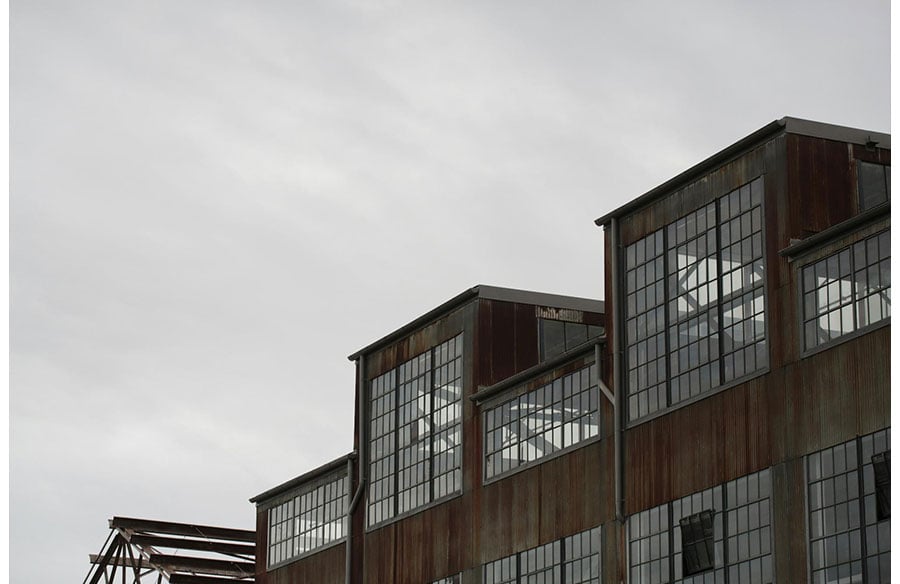
Architects choose metals like steel, aluminum, and copper to shape the skylines of our cities because of their strength and versatility. Unlike other materials, metal provides unparalleled durability. It weathers the harshest climatic conditions with grace, maintaining its integrity while resisting corrosion and shaping aesthetics that are captivating and timeless.
The allure of metals lies in their capacity to transform urban environments into vibrant cityscapes. Not only do they contribute to the visual tapestry of urban settings, but metals also facilitate design possibilities that other materials simply cannot match. Their flexibility allows architects to explore unique forms, introducing variety and spectacle to dense urban areas laden with stereotypical brick and mortar.
One cannot underestimate the importance of secure and adaptable frameworks when considering metal structures. Anchored by reliable components like a pipe holder bracket, metal elements can seamlessly integrate into complex designs, supporting both function and form.
The adoption of metal in construction is also closely linked to technological advancements, which have expanded the possibilities of metalwork in architecture. Modern fabrication techniques allow for intricate designs and seamless finishing, elevating the potential for creativity in architectural designs. 3D metal printing and advanced welding techniques enable architects to push boundaries, crafting distinctive shapes and developing innovative structures that captivate the public imagination.
Metalwork as a Cultural Symbol
Metallic buildings are not just architectural feats; they are cultural icons that symbolize advancement and progress. Within urban centers, they stand as symbols of prosperity and innovation, marking cities as hubs of growth and development. From the Eiffel Tower in Paris to the soaring skyscrapers of New York, these structures represent triumphs of human ingenuity.
Modern urban architecture is about creating monumental spaces where communities can flourish. Metals help inject a sense of identity and pride, blending together historical significance and futuristic ambition and standing as testaments to human achievement.
The aesthetic of metallic structures often draws inspiration from a city’s heritage, blending contemporary design with traditional elements. By intertwining past influences with present capabilities, architects create buildings that are both a nod to tradition and a beacon for future possibilities, embodying the dynamic interplay between history and progress.
Harnessing Sustainability
Sustainability is at the forefront of contemporary architecture, and metal structures tick the boxes for eco-awareness. Metals like aluminum stand out for being highly recyclable, reducing the carbon footprint of buildings through their lifecycle. Reusing and recycling metal minimizes the environmental impact, embodying an architectural philosophy that aligns the beauty of high-rises with conscientious resource use.
Furthermore, metal’s regenerative qualities reduce waste. As urban landscapes evolve, structures demand adaptability, and metal provides it by allowing repurposing of materials in different contexts. Steel frameworks, for instance, can be disassembled and reused, demonstrating a systemic approach to sustainable design that goes beyond temporary solutions.
Another advantage of using metals is their longevity, which significantly reduces the need for frequent replacements. Metal’s ability to endure through the years without significant deterioration ensures that buildings remain functional and visually appealing. This long-term approach not only conserves resources but also saves time and energy over the building’s lifetime.
Rethinking Urban Spaces
The use of metal transcends mere structural purposes, influencing the way people interact with urban spaces. As architects harness the adaptability of metals, they create more inclusive and accessible environments, redefining cities with public installations, outdoor sculptures, and inviting facades.
Metal structures invite interaction, inspiring creativity through community engagement. Take, for example, the reflective surfaces of urban installations that captivate passersby, encouraging interaction and dwelling. In this way, metal is not only part of the structure but also a facilitator of experience and dialogue within urban spaces.
The reflective quality of metal surfaces also contributes to the dynamic engagement of passersby with their surroundings. These surfaces mirror the sky and city lights, creating a living art piece that changes with the time of day and weather conditions. Such vibrancy adds a layer of intrigue, turning cities into vast canvases that stimulate both thought and conversation among inhabitants and visitors alike.
With these links between strength, sustainability, and cultural expression, metal continues to play a dynamic role in shaping the cities of tomorrow. As urban centers forge their identities in the decades ahead, metal is bound to stand as both a witness to and conductor of this transformation, solidifying its place in the narrative of our built environments.