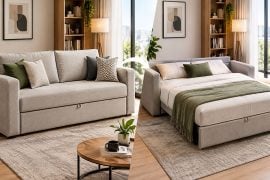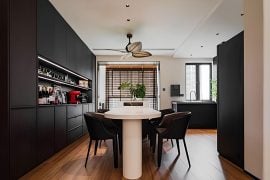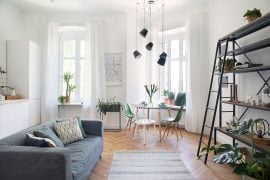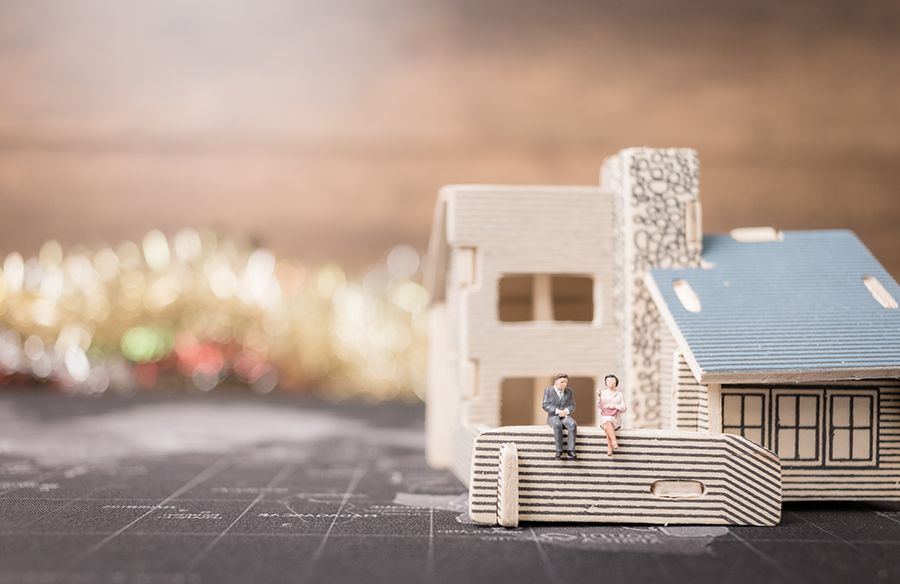
The template for a typical luxury home is shifting. It’s no longer about square footage and elaborate design. Home buyers are focusing more on properties optimized for efficiency and livability. Small luxury homes may not present an overwhelmingly impressive exterior, but they still deliver on a high level of comfort and prestige.
If you follow architectural trends in the luxury home department, pay attention to this trend because it’s a strategic upgrade that is slowly taking over the market.
Smaller luxury homes are easier to manage and maintain
With less square footage, there’s less to clean and maintain, both inside and out. This amounts to saving significant time and money on upkeep. A smaller luxury home means fewer systems to maintain, fewer surfaces to scrub down, and fewer things that can break when you least expect. And if you’re working with a property manager, renting out a small luxury home becomes an even better investment.
Property managers aren’t just for landlords with massive portfolios. They’re for anyone who rents out property of any size or type. For example, Green Residential – property managers from Spring, Texas – handle all types of properties for their clients, including single-family homes and apartment buildings.
When you rent out a luxury property, your tenants will expect a high level of service, and that’s exactly what makes property management ideal. Plus, having a smaller property is just naturally easier to manage. For example, smaller homes have fewer points of failure concerning HVAC systems, plumbing and electrical lines, and lighting systems. This means your property manager will be able to resolve issues much faster and for less money than it would cost to fix the same issue in a larger home.
Smart technology is more desirable than square footage
Today’s home buyers and renters want smart home tech integrated into their daily lives. Instead of having seemingly endless space to stretch out, people want comfort and convenience at the press of a button. Smaller luxury homes equipped with smart tech systems are often more desirable than larger, outdated properties where functionality is concerned.
Whole-house automated systems that control lighting, climate, security, and entertainment can all be managed from a smartphone app. That’s exactly what people want. They also want traditional luxury technology features like motorized furniture, retractable walls, and adaptive lighting that can serve multiple purposes. Integrating these features into a small luxury home eliminates the need for excessive space.
People are moving toward sustainability
Sustainability is no longer a specialized niche interest. It’s quickly becoming a core design principle in luxury architecture, and small homes naturally align with this shift. Smaller homes require fewer resources and materials to build, they use less energy, and create a smaller environmental impact on the planet. Home buyers building a small luxury home from scratch can invest in high-end sustainable materials without worrying about creating unnecessary waste.
Today’s luxury home buyers want sustainable features like integrated solar panels, geothermal heating, and energy storage systems. These features make a home more desirable than looks alone.
Design quality is prioritized over quantity
Luxury used to mean having more rooms, more space, more everything – even if some rooms are just for decoration. Now it means designing for experience, using superior materials, and a more sustainable execution. This shift is intentional and every square foot has a purpose.
For example, instead of spreading a budget across a massive home, people are investing in premium finishes like stone, real hardwood, and custom millwork. And architects are designing layouts that focus on natural flow, lighting, and proportion. Custom details are everything, and that’s easier to work into a budget with a smaller home.
Privacy and security are easier to control
Large luxury homes can be secured and made private, but it takes a lot of work. There’s more area to cover with security cameras and more windows to remember to close for privacy. Smaller luxury homes make it easier to control physical access to the property, manage privacy, and monitor security systems.
Compact layouts have fewer doors and windows to monitor, and are easier to lock down with a smart security system that includes biometric access and real-time alerts. While large luxury properties stand out, smaller homes can be designed to blend into the neighborhood from the outside to reduce unwanted attention.
The future of luxury is flexibility
Luxury homes are getting smaller because people are prioritizing function over aesthetics. A well-designed compact home provides more usable space, better efficiency, and more value per square foot. Spaces can shift between work and entertainment, making modern living easy. There will always be a market for large homes, but the future of luxury is moving toward lifestyle and livability.