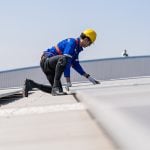
A commercial roof is a major investment and plays an essential role in protecting your building, employees, customers, equipment, and inventory. Unlike residential roofing, commercial roofing systems often cover larger areas and may use specialized materials and installation methods.
When a business experiences a leak or other roofing problem, delaying repairs can result in water damage, business interruptions, and higher restoration costs. Working with an experienced commercial roofing company can help property owners maintain their roofs and address problems before they become major concerns.
Why Commercial Roofing Requires Professional Expertise
Commercial roofing systems are often more complex than residential roofs. Many commercial buildings have flat or low-slope roofs that require specific drainage systems and specialized materials.
A commercial roofing professional understands how to work with systems such as:
- Flat roofing
- Modified bitumen
- EPDM membranes
- TPO membranes
- PVC roofing
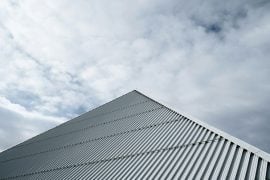
- Metal roofing
- Roof coatings
Each system has different installation, repair, and maintenance requirements.
Choosing a contractor with appropriate commercial experience helps ensure that the roofing system is evaluated and serviced correctly.
Common Commercial Roofing Problems
Commercial roofs are exposed to weather conditions throughout the year. Over time, this exposure can lead to wear and damage.
Common issues include:
- Roof leaks
- Ponding water
- Damaged flashing
- Membrane punctures
- Cracked sealants
- Drainage problems
- Wind damage
- Aging roofing materials
Small problems should be addressed quickly because moisture can eventually affect insulation, ceilings, walls, equipment, and other parts of the building.
The Importance of Commercial Roof Inspections
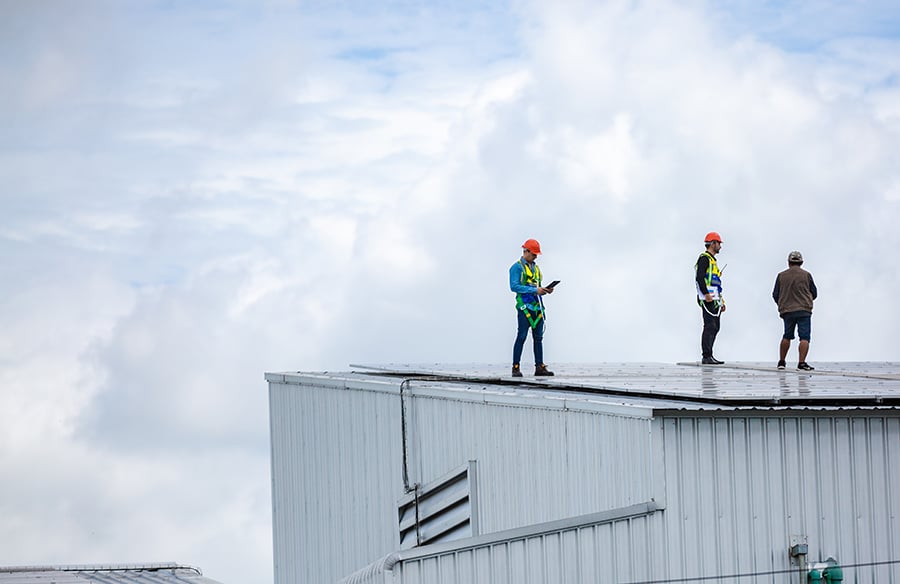
Regular inspections can help business owners understand the condition of their roofing system.
A professional inspection may evaluate:
- Roofing membranes
- Flashing
- Drainage systems
- Roof edges
- Penetrations
- Seams
- Signs of moisture
- Structural concerns
Inspections are particularly useful after severe weather. A roof may sustain damage that isn’t immediately visible from inside the building.
Regular inspections also allow property owners to plan repairs rather than being forced into an unexpected emergency project.
Don’t Ignore a Commercial Roof Leak
A roof leak may begin as a small issue but can quickly become disruptive.
Water entering a commercial building can damage:
- Ceilings
- Walls
- Insulation
- Electrical systems
- Inventory
- Office equipment
- Flooring
Professional commercial roof repair can help identify the source of the leak and prevent further water intrusion.
It’s important to address the actual source rather than simply repairing the visible interior damage.
Preventative Commercial Roof Maintenance
Preventative maintenance is one of the best ways to protect a commercial roofing investment.
A maintenance program may include:
- Scheduled inspections
- Drain cleaning
- Debris removal
- Flashing inspections
- Sealant checks
- Minor repairs
- Membrane inspections
Regular maintenance helps identify developing issues before they become expensive emergencies.
It can also help property owners better understand when a roof may eventually require replacement.
When Is Commercial Roof Replacement Necessary?
Repairs can extend the life of many commercial roofing systems, but replacement eventually becomes necessary.
A replacement may be appropriate when:
- The roof has widespread deterioration.
- Repairs are becoming increasingly frequent.
- Leaks continue despite previous repairs.
- The roofing system has reached the end of its expected service life.
- Storm damage is extensive.
- The underlying structure has been significantly affected.
An experienced contractor can evaluate the existing system and explain whether repair, restoration, or replacement makes the most sense.
Choosing the Right Roofing System
The right commercial roofing system depends on several factors.
Property owners should consider:
- Building design
- Roof slope
- Climate
- Drainage requirements
- Energy goals
- Budget
- Expected lifespan
- Maintenance requirements
For example, flat and low-slope buildings may require membrane roofing systems designed specifically for those conditions.
A knowledgeable roofing professional can compare available options and explain the advantages and limitations of each.
Why Quality Installation Matters
Even high-quality roofing materials can fail prematurely if they’re installed incorrectly.
Professional installation helps ensure:
- Proper seams
- Correct flashing
- Effective drainage
- Secure roof edges
- Appropriate insulation
- Properly sealed penetrations
Installation quality can have a major impact on the roof’s long-term performance.
This is one reason businesses should avoid choosing a contractor based solely on the lowest estimate.
How to Evaluate a Commercial Roofing Company
Before hiring a roofing contractor, business owners should look for several important qualities.
Consider:
- Commercial roofing experience
- Licensing and insurance
- References and reviews
- Clear estimates
- Quality materials
- Warranty options
- Safety procedures
- Maintenance programs
A reputable contractor should clearly explain the condition of the roof and provide practical recommendations based on the building’s needs.
Minimize Business Disruptions
Roofing work doesn’t have to bring normal business operations to a complete stop.
Experienced commercial contractors can plan projects around the property’s schedule and take steps to minimize disruption.
Depending on the project, this may involve:
- Coordinating work hours
- Protecting equipment
- Maintaining safe access
- Completing repairs in stages
- Communicating project schedules clearly
Good planning can make the roofing process easier for employees, customers, and property managers.
Storm Damage and Emergency Roofing
Severe weather can create urgent commercial roofing problems.
Strong winds, hail, heavy rain, and falling debris can damage roofing membranes and drainage systems.
After a major storm, business owners should have the roof inspected for:
- Missing materials
- Punctures
- Loose flashing
- Damaged edges
- Ponding water
- Interior leaks
Prompt professional attention can help prevent additional damage and reduce the risk of prolonged business interruptions.
Conclusion
A commercial roof protects much more than the building itself. It helps safeguard the people, equipment, inventory, and operations inside the property.
Working with an experienced commercial roofing company can help businesses stay ahead of roofing problems through regular inspections, preventative maintenance, timely repairs, and properly planned replacements.
Rather than waiting for a major leak or emergency, property owners can take a proactive approach to roofing care. Regular professional attention can extend the life of the roofing system, protect the building, and help businesses avoid unnecessary disruptions and expenses.