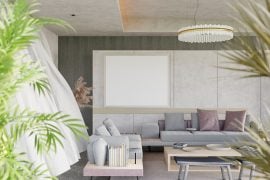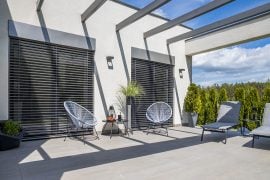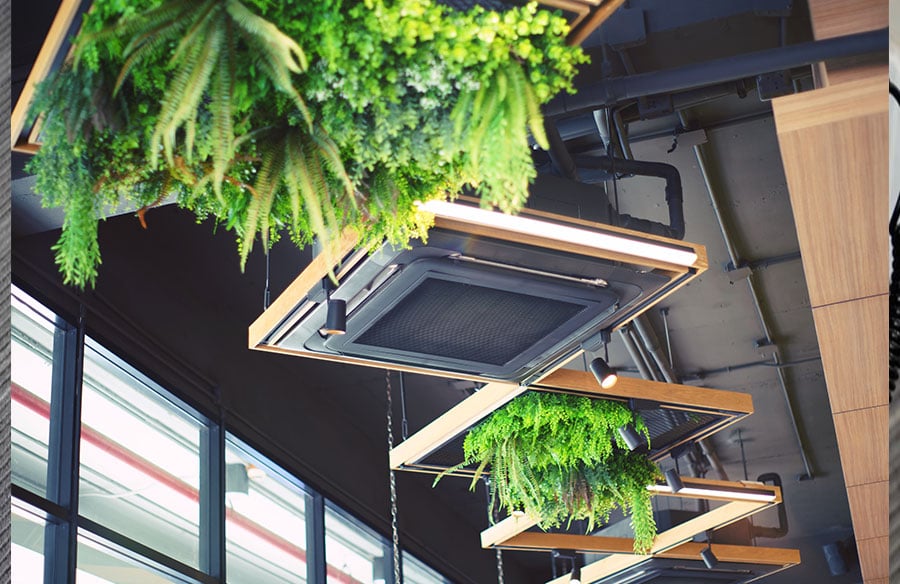
The present buildings have managed to incorporate nature into their designs along with spaces occupied by humans. It is not only about the aesthetics of the surroundings, but introducing life to the environment can really improve it. The plants have the potential to help create a clean environment. Living walls and living gardens within the buildings can have an influence on the environment in terms of thermal comfort, humidity, and noise reduction within the rooms. However, in order to ensure that the plants are healthy within the building, it is important to monitor the indoor environment. Every room is a bit different. This can be because of how much light comes in, the way air moves from heaters or coolers, and the change in heat as well. If you want your green spaces to stay nice, you must know how your space works with plant care.
In order to ensure that everything is done correctly regarding the maintenance of the plants in all rooms, some smart technology is employed. A plant care app will assist one in keeping track of when to water them and how much light they receive. This will make it easy for the owners and even new plant owners to take care of the plants without guessing.
The Physics of Indoor Microclimates
Microclimates indoors refer to small regions within the interior of buildings that vary depending on how the building is constructed and how the machinery operating within it works. For instance, a window made up of glass from floor to ceiling at the eastern part of a room creates a very different environment compared to a dark corridor just ten feet away from that place. Microclimates indoors should be controlled so as to ensure plants are not stressed and to optimize the use of the indoor environment.
Key Factors Governing Indoor Microclimates
- Photosynthetically Active Radiation (PAR): Indoor lighting is different from outdoor lighting because glass prevents some useful components of ultraviolet light. In addition, indoor LED lights produce particular types of light only. It is advisable to match plants to the right PAR. This will prevent yellowing and loss of leaves.
- Transpiration and Relative Humidity: Plants let out water vapor. This makes dry air more damp. When there are many plants inside, the place gets more humid. This helps people feel good and can change how air systems work in the room.
- Heat Layers: Warm air goes up. This makes temperatures feel different at the bottom and at the top. Tall indoor trees feel changes in heat along their trunks. You must have plants that can take changes in temperature.
- Air Movement & HVAC: Air from vents makes plants lose water faster. The soil can dry up fast, and leaves may get brown at the sides.
Biophilic Design Strategies for Healthier Air
Adding plants to buildings is more than just making them look good. The air inside gets better in a natural way.
Phytoremediation and Indoor Air Quality
Plants pull in organic compounds like benzene and toluene through small spaces in their leaves. Microbes by the roots break them down. Systems like active living walls move air through the plant base. These systems help plants clean the air more than potted plants that just sit in a room.
Microclimate Balancing for Human Wellness
Keeping indoor humidity at 40% to 60% makes it easier to cut down the germs in the air. It also helps with dry eyes. If you put plants that let out a lot of moisture near air return ducts, that green space spreads water in the air by itself. This means you will not need to use a lot of humidifiers.
Operational Practices for Long-Term Viability
- Do a Spatial Light and Microclimate Check: Use a foot-candle or PAR meter to find the light levels through the year. Do not try to use only your eyes to figure it out.
- Set Up Sub-Irrigation Systems: Sub-irrigated planters stop water from collecting. These help keep soil loose. They also keep the soil’s moisture steady when there are changes in evaporation from the air.
- Automate Extra Environmental Controls: Connect growth LED lights and ambient sensors. These will change light time and strength every day to match how much sunlight there is.
Sustaining Indoor Ecosystems
Indoor greenery from architects brings life into rooms that feel still. To keep spaces inside nice, you need to find a balance with light, air, and water. This helps plants live for a long time and lets people feel healthy. When architects and people who own homes use biophilic design in their plans, the places they live or work can feel better and more healthy. With today’s tools that are easy to use, watching several spaces is not hard at all. A plant care app makes sure each area gets what it needs. That way plants stay healthy and grow well for many years.