Selecting a roofing system for a commercial property involves more than comparing material prices. Installation requirements, building design, maintenance expenses, and long-term performance can all influence the overall investment.
Metal and modified bitumen are two roofing options that commercial property owners may consider when planning a roof replacement or new construction project. Understanding how these systems differ can help businesses make more informed financial decisions.
Understanding Metal and Modified Bitumen Roofing
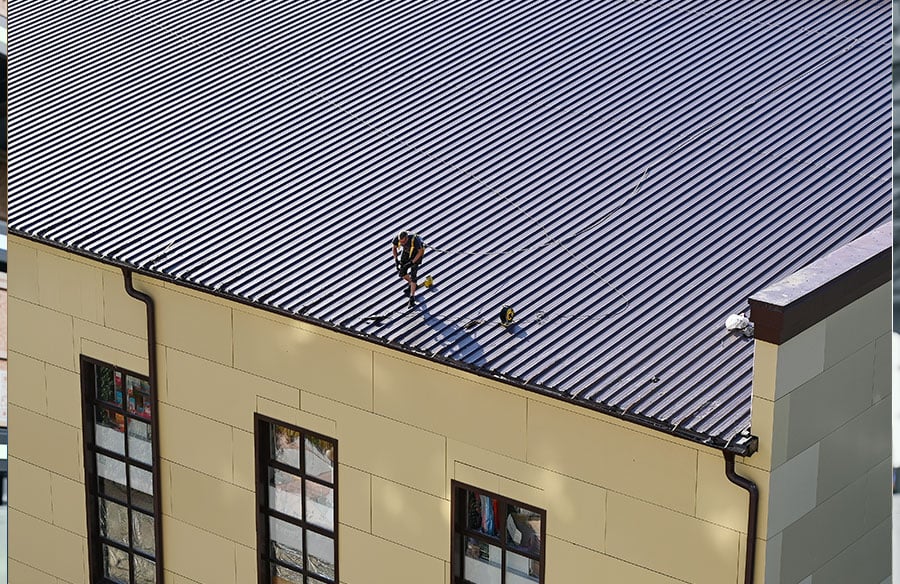
Metal roofing typically consists of steel or aluminum panels designed to protect a building from environmental exposure. It can be used on various commercial structures, including warehouses, manufacturing facilities, and retail buildings, depending on the roof design.
Modified bitumen is an asphalt-based roofing system reinforced with polymers and other materials. It is commonly associated with flat and low-sloped commercial roofs, where waterproofing and compatibility with existing roof structures are important considerations.
Both systems have distinct characteristics that may influence their suitability for different commercial applications.
Comparing Initial Installation Costs
Modified bitumen roofing may offer a lower upfront installation cost in certain commercial applications. However, expenses can vary depending on the number of membrane layers, installation method, insulation requirements, and condition of the existing roof.
Metal roofing may involve a higher initial investment due to material selection, specialized installation techniques, and potential structural modifications.
When comparing estimates, commercial property owners should consider the complete scope of the project rather than focusing solely on material prices.
How Building Design Influences Roofing Costs
The architectural and structural characteristics of a commercial building can significantly influence roofing expenses.
Some important considerations include:
- Roof size and slope
- Existing roofing materials
- Structural condition
- Drainage requirements
- Rooftop equipment and HVAC systems
- Accessibility and installation complexity
For commercial properties in Northern California, consulting a Sacramento roofing company can help property owners evaluate how building characteristics, local climate conditions, and installation requirements may affect the suitability and cost of different roofing systems.
Maintenance and Long-Term Expenses
The ongoing cost of maintaining a commercial roof is another consideration when comparing roofing materials.
Metal roofing may require periodic inspections of seams, fasteners, protective coatings, and flashing. Modified bitumen roofing may require attention to membrane seams, surface deterioration, and areas surrounding rooftop equipment.
The frequency and cost of maintenance can vary depending on material quality, installation practices, environmental exposure, and the building’s operational requirements.
Establishing a maintenance plan may help property owners identify developing issues before they require more extensive repairs.
Energy Efficiency and Operating Costs
Roofing systems may contribute to a commercial building’s overall energy performance.
Certain metal roofing products feature reflective finishes designed to limit solar heat absorption. Modified bitumen systems may also incorporate reflective surface materials or coatings.
Potential energy-related benefits depend on several factors, including insulation, roofing color, building design, local climate, and heating and cooling requirements.
These considerations may be particularly relevant for businesses operating large commercial facilities.
Considering the Impact on Business Operations
Commercial roofing projects can introduce logistical challenges that extend beyond installation expenses.
Material delivery, equipment access, construction noise, and installation schedules may affect daily business activities. Depending on the roofing system and project scope, property managers may need to coordinate installation around employees, tenants, customers, or production schedules.
Accounting for potential operational disruptions can provide a more comprehensive understanding of project costs.
Which Commercial Roofing System Offers Better Value?
There is no universal answer when determining whether metal or modified bitumen roofing is more cost-effective.
Modified bitumen may be worth considering for properties with existing low-sloped roofing systems and limited initial budgets. Metal roofing may appeal to property owners evaluating long-term durability and future maintenance requirements, provided the building is suitable for the selected system.
Ultimately, comparing detailed project estimates, anticipated maintenance needs, and long-term property objectives can help commercial property owners select a roofing solution that aligns with their financial and operational priorities.