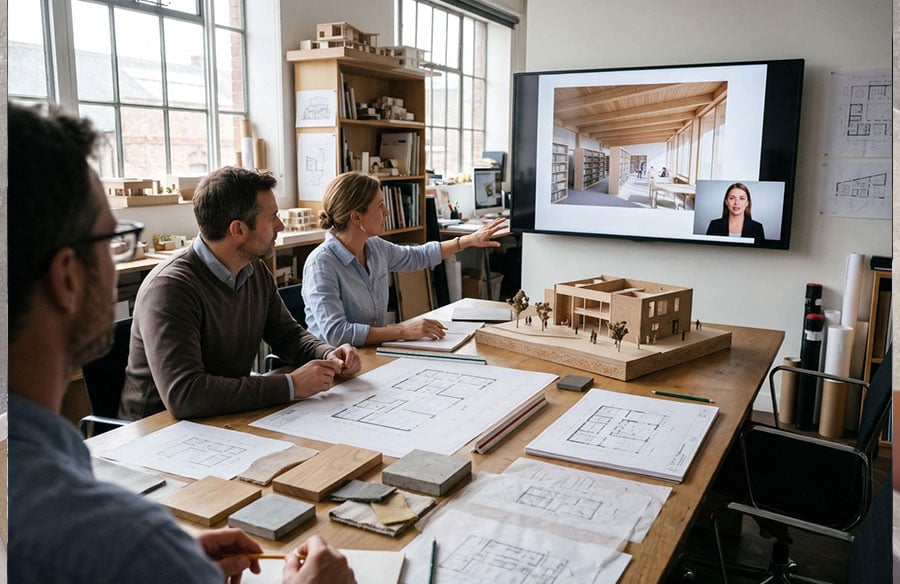
A community library can look welcoming in a rendering and still leave a basic question unanswered: Where do I go when I arrive? The architect may see the answer immediately in the plan. A resident looking at the same drawing may not know which line marks the entrance, let alone why the entrance moved.
Short videos can connect design drawings with the decisions behind them, helping audiences understand proposed changes and their implications. AI avatars, such as those created with VisionStory, offer another way for architects and designers to deliver these explanations through digital presenters. Could they become a useful communication tool for the design industry?
Why Design Communication Needs More Than Visual Representation
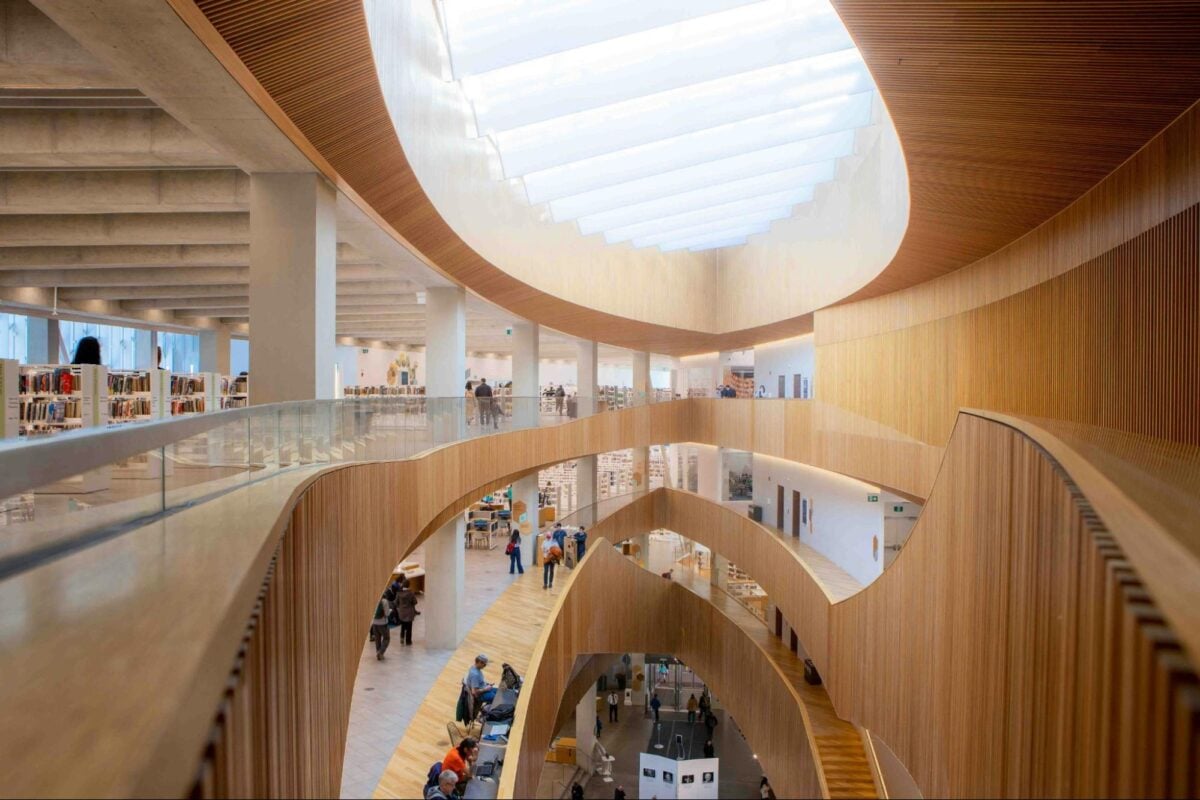
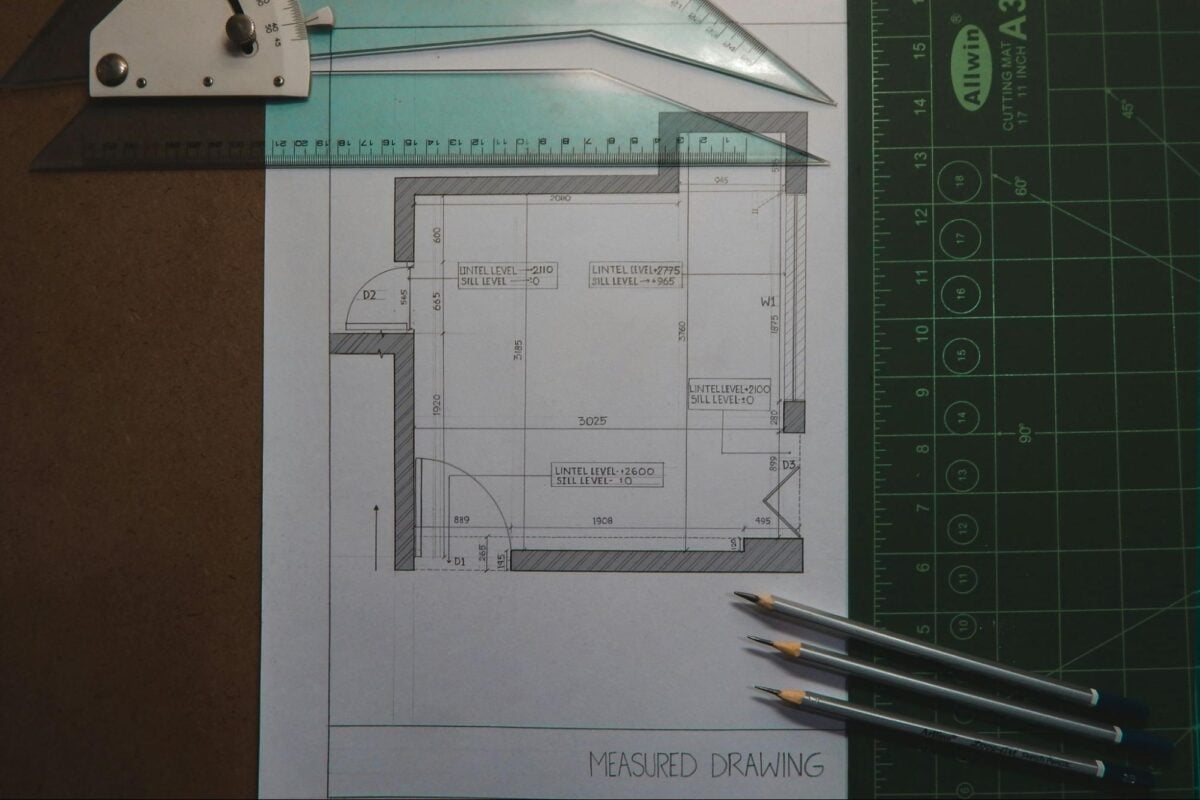
A rendering can show what a space looks like without explaining the design decisions behind it. For example, a library image may show a timber ceiling and deep window recesses, but not explain how they improve acoustics or bring natural light into reading areas.
 Different audiences also need different explanations. A consultant may focus on building services, a client on cost and maintenance, and a resident on everyday comfort. Although they are looking at the same space, each needs a different level of detail.
Explanations must also evolve as projects progress. Initial presentations may no longer reflect the latest design decisions, making clear and consistent communication essential. Audiences need to understand what has changed, why it changed, and what decisions are still pending.
From Static Presentations to AI Avatar Videos
A portfolio lets readers pause over a photograph or compare plans at their own pace. Video adds sequence and emphasis: a presenter can point to a courtyard on a plan, then cut to an eye-level view that shows how it feels to enter. A live presentation adds something neither format can provide on its own: the opportunity to stop and ask the designer a question.
 Recorded video with a designer on camera can convey the personal reasoning behind a project. It also takes time to schedule, record, and edit. A small practice may have no trouble producing a flagship project film but find it harder to reshoot a progress update each time a drawing changes.
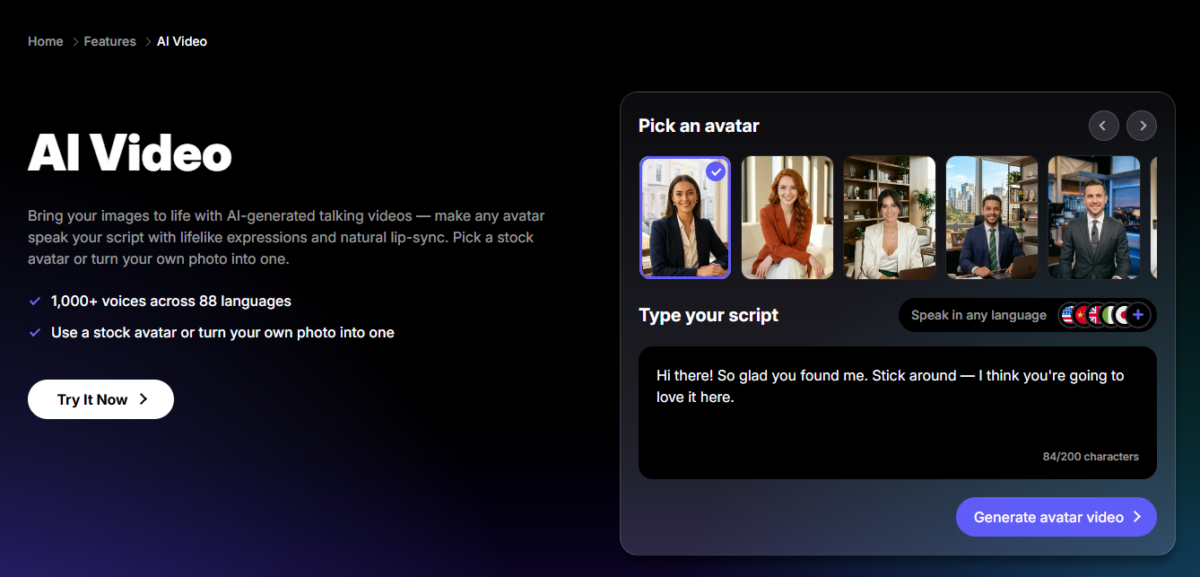
An AI avatar offers another way to record an explanation. It combines a digital likeness, spoken narration, and facial movement, including lip sync. An AI video generator describes a wider class of tools; an avatar is specifically the on-screen speaker. The distinction matters when choosing a format:
| Format | What the audience gets | What an update involves |
| Annotated drawings | Detail readers can inspect at their own pace | Revise drawings and notes |
| Designer on camera | A firsthand account of design decisions | Rerecord affected passages |
| AI avatar video | Guided narration alongside project visuals | Revise the script, regenerate, and review |
How AI Avatars Can Support Architectural and Design Communication
Explaining Design Concepts Through Digital Presenters
Architects can use an ai avatar video format to pair a digital presenter directly with site diagrams, massing studies, material boards, and rendered perspectives. Instead of leaving viewers to interpret silent imagery, the presenter walks audiences step by step through spatial sequencing, daylight strategies, and programmatic zoning.
Communicating Projects Across Different Audiences
A single architectural project often requires tailored narratives for distinct groups:
- Clients: Digital presenters can summarize layout efficiency, budget alignment, and spatial functionality between formal design meetings.
- The Public: Civic and urban design teams can translate technical planning proposals into plain, approachable language for community consultations and exhibition screens.
- Students and Emerging Designers: Architecture educators can build structured case-study briefings that explain precedent analysis, tectonic assemblies, and design methodologies.
In every scenario, the digital presenter serves strictly as the delivery medium. Architectural judgment, spatial analysis, and technical accuracy originate entirely from the designer authoring the script.
Maintaining a Consistent Digital Presence for Design Studios
Beyond individual project pitches, design studios face ongoing pressure to publish project introductions, exhibition previews, and thought-leadership commentary across websites and social channels. Producing an ai avatar video allows studios to maintain a steady publishing cadence without pulling principals away from active design work for every recording session.
Practices can localize narration for international collaborators or update project milestones rapidly, establishing a cohesive, recognizable communication presence alongside their built portfolio.
Where AI Avatars Fit into the Designer’s Workflow
An AI avatar fits into the production stage, after the team has agreed on the message and selected the drawings that support it. A library project update shows how the four steps work in practice.
- Define the communication objective. A client proposal may need to explain a choice between two layouts. A public update may need to show what has changed since the previous meeting. An educational video may focus on one design method.
- Prepare the design narrative. The designer writes the script, selects approved drawings and images, and matches each major claim to a visual. If a community room is still proposed, both the narration and its label should say so.
- Create an AI avatar presentation. The team selects a suitable presenter, pairs it with the script or authorized audio, and generates the spoken delivery and lip sync. Diagrams should take precedence whenever the explanation depends on a particular detail.
- Review and distribute. A project lead checks drawing revisions, factual claims, pronunciation, captions, and timing before the video goes on a website, social channel, or presentation deck. The avatar cannot validate building data, assess structural performance, or make professional decisions.
In practice, an ai avatar maker such as VisionStory fits into this step by turning a source portrait and script or audio track into a talking presenter without requiring an on-camera shoot. For studios managing multi-phase projects, updating the narration when a floor plan changes becomes an editorial revision rather than a new production cycle. The practical test is whether viewers can follow the design decision more clearly with the presenter than without one.
 The Human Element: What AI Avatars Cannot Replace
Credibility in architecture rests on accountability, physical execution, and lived spatial insight, which places clear boundaries on what digital presenters should do.
First, design judgment remains fundamentally human. An ai avatar can articulate the rationale behind a courtyard orientation or structural grid, yet it cannot originate a design thesis, weigh cultural context, or resolve competing programmatic demands.
Second, authenticity and transparency protect audience trust. Design studios earn commissions through real built outcomes, principal expertise, and professional responsibility. When a digital presenter appears in a client briefing or public exhibition, studios should clearly identify the presenter as synthetic rather than passing a generated likeness off as a live recording of a team member.
Third, every generated presentation requires rigorous human review. Automated text-to-speech engines can mispronounce material specifications, architectural terminology, or project metrics, while minor lip-sync mismatches can distract viewers. Senior designers must review scripts, visual overlays, and final video playback before release. The value of AI avatars lies in extending human communication, not replacing human expertise.
 Rethinking the Future of Design Communication
The future of design communication is shaped by what audiences can understand, question, and use, not simply by what studios can show. AI avatars give architects and designers another way to explain work between meetings, across channels, and as projects evolve. Their role is clearest when they handle repeatable narration while designers retain responsibility for creative intent, professional judgment, and the accuracy of every claim.
For a design practice , the time saved on a routine recording is most valuable when it goes back into design or into conversations that need a person in the room. The future of design communication may not be about replacing the designer’s voice, but finding new ways to make that voice more accessible.