Home renovations and moving projects often share a common challenge: finding a practical way to manage furniture, household belongings, and other possessions while living spaces undergo significant changes. Whether homeowners are remodeling a kitchen, replacing flooring, preparing a property for sale, or moving to another city, temporary storage can become an essential part of the process. Portable moving containers offer an alternative to traditional storage facilities by bringing storage space directly to the property. Their growing appeal reflects a broader preference for flexible services that accommodate complicated schedules and changing household needs.
Unlike conventional moving arrangements that require belongings to be loaded into a truck and transported immediately, portable containers allow homeowners to pack and organize possessions over an extended period. Depending on the provider, the containers can remain on-site, be transported to another address, or be stored at a designated facility until the customer is ready for delivery. This flexibility can be especially valuable when construction deadlines shift, real estate transactions encounter delays, or moving dates do not align perfectly. Understanding how portable containers work, what they cost, and where their limitations lie can help homeowners make more informed decisions.
Understanding Portable Moving Containers and How They Work
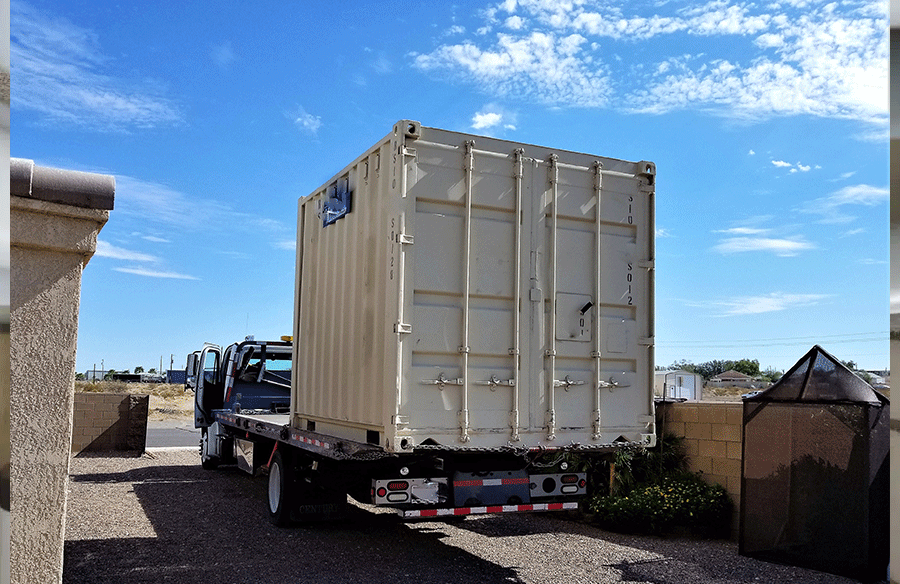
Portable moving containers are large, enclosed storage units designed to hold household belongings during moving, remodeling, and temporary storage projects. They are typically delivered to a customer’s driveway or another approved location, where they remain accessible for loading. Once the container is filled, the provider may transport it to a new address, move it into storage, or retrieve it when the project is complete. This arrangement separates the packing process from the transportation schedule, giving homeowners greater control over how they organize their belongings.
Container construction varies considerably among providers, with differences in materials, dimensions, door designs, weight limits, and weather resistance. Some units feature steel frames and durable wall panels, while others incorporate composite materials intended to balance strength and portability. Most are designed to withstand ordinary outdoor conditions, although weather resistance should not be confused with complete protection against moisture, extreme temperatures, or flooding. Customers should examine the container’s condition, door seals, locking mechanisms, and available security features before placing valuable household possessions inside.
The delivery and collection process also distinguishes portable containers from conventional storage units. Providers generally use specialized trucks or hydraulic equipment to position containers at residential properties, although the required clearance and placement methods differ by company. Homeowners are responsible for confirming that the delivery location is sufficiently level, accessible, and capable of supporting the container’s weight. A successful arrangement also depends on understanding the provider’s transportation policies, storage options, loading restrictions, and procedures for scheduling pickup or redelivery.
Why Portable Containers Are Useful During Home Renovations
Home renovations frequently require substantial areas of a property to be cleared before contractors can begin working. Kitchen remodeling may involve removing appliances, dining furniture, and stored household supplies, while flooring replacement can require emptying several adjoining rooms. Keeping these belongings inside the home can restrict contractor access, increase the risk of accidental damage, and create additional cleaning challenges. Portable containers provide a temporary storage location that allows homeowners to protect their possessions while giving construction crews more room to operate.
The value of temporary storage becomes particularly apparent during renovations involving multiple stages of work. A homeowner replacing flooring throughout an occupied house may need to move furniture several times as contractors progress from one room to another. Moving items into a nearby container can reduce this repeated handling and help prevent scratches, dust exposure, and unnecessary disruption. It also allows contractors to work more efficiently because essential pathways, work areas, and equipment access points remain unobstructed.
Renovation schedules are rarely immune to unexpected complications, including material shortages, permit issues, structural discoveries, and contractor availability. A project initially expected to take two weeks may extend considerably if specialized components arrive late or additional repairs become necessary. Portable containers can accommodate some of these changes through rental extensions, although homeowners should understand the additional charges and scheduling conditions involved. Having an accessible storage arrangement can reduce pressure to return furniture to unfinished rooms simply because an original completion date has passed.
Integrating Portable Storage Into a Broader Moving Plan
Portable containers can serve as one component of a larger moving strategy, particularly when homeowners need flexibility between packing, transportation, and delivery. Rather than coordinating every activity around a single moving day, households can load belongings gradually and arrange transportation when their destination is ready. This flexibility can be useful in metropolitan areas such as Chicago, Milwaukee, and Indianapolis, where urban neighborhoods, suburban properties, and varying transportation conditions can complicate relocation planning. Limited parking, building access restrictions, and differences in property layouts may also affect container placement and loading arrangements. Although portable containers provide additional time to sort, label, and inventory possessions, they may not suit households requiring professional labor, specialized handling, or more complex moving arrangements.
These practical considerations become particularly relevant throughout the Chicago metropolitan area, where moving between densely populated neighborhoods and surrounding suburbs can involve different loading and storage requirements. In communities such as Naperville, Aurora, and Downers Grove, homeowners may need temporary storage when property closing dates overlap or renovations delay occupancy. Container placement restrictions, property access, and the amount of loading assistance required can also influence whether a self-service arrangement is practical. Such differences make it useful to compare portable containers with professionally managed moving and storage services. Based in Naperville, All Chicagoland Moving & Storage, a family-owned company established in 1982, provides professional packing, transportation, and storage services while also referencing do-it-yourself options, including portable moving containers, among its additional moving services. Evaluating the availability and requirements of these options can help households determine whether independent loading, professional assistance, or a combination of services best suits their moving plans.
The appropriate moving arrangement also depends on transportation distance, property accessibility, and the types of belongings being relocated. A household moving across town may prioritize convenient loading and a shorter transportation window, while an interstate move may require greater attention to delivery schedules, transportation coverage, and storage availability. Fragile furniture, oversized belongings, and properties with restricted access can introduce handling requirements that portable containers alone may not address. Corporate moves and international relocations may involve additional coordination, including inventory management, specialized packing, and transportation planning. Before choosing an arrangement, homeowners should compare loading responsibilities, storage terms, insurance coverage, and overall costs. Considering the entire relocation process rather than focusing exclusively on container rental can help determine where independent packing is practical and where professional assistance may be more appropriate.
Choosing the Right Container Size and Capacity
Selecting an appropriately sized container is one of the most consequential decisions in portable storage planning. A container that is too small may require additional units, repeated loading, or alternative storage arrangements, while an unnecessarily large unit can increase rental and transportation expenses. Providers commonly offer several size categories, but exact dimensions and usable interior space vary by company. Homeowners should therefore compare actual interior measurements rather than relying entirely on general descriptions such as small, medium, or large.
Estimating capacity requires more than counting the number of rooms in a property. A minimally furnished two-bedroom home may require less space than a heavily furnished one-bedroom apartment containing oversized furniture, recreational equipment, and numerous boxes. Items such as sectional sofas, mattresses, dining tables, wardrobes, and large appliances can significantly affect how efficiently a container can be loaded. Creating a detailed household inventory, recording measurements for bulky items, and identifying objects that can be safely disassembled can produce a more reliable estimate of storage needs.
Weight restrictions are another important consideration because a container’s volume does not determine how much it can safely carry. Heavy books, tools, exercise equipment, and dense household materials can bring a container close to its weight limit before the available space is completely occupied. Weight also needs to be distributed properly to avoid instability during lifting and transportation. Customers should request written information about maximum payloads, prohibited items, and loading guidelines before deciding which container size best suits their project.
Evaluating Costs, Rental Terms, and Hidden Expenses
The total cost of portable moving containers usually depends on several variables, including container dimensions, rental duration, delivery distance, transportation requirements, and storage location. Some providers structure their pricing around monthly rental periods, while others include specific delivery, pickup, or transportation charges. Moving a loaded container to another city or state can produce a substantially different estimate from keeping the same container in a residential driveway. As a result, advertised entry-level rates rarely provide a complete basis for comparing competing services.
Homeowners should pay particular attention to charges that may fall outside the initial rental price. These can include additional rental periods, unsuccessful delivery attempts, access fees at storage facilities, container repositioning, and fees associated with exceeding weight limits. Optional protection plans or coverage arrangements may also increase the total amount due. Requesting an itemized written estimate allows customers to distinguish required charges from optional services and identify circumstances that could trigger additional expenses.
Project uncertainty makes rental terms especially important during renovations and property transactions. Construction delays, closing-date changes, or unexpected travel requirements may result in a container being needed longer than originally anticipated. Before signing an agreement, customers should establish how extensions are calculated, whether additional time is charged by the day or month, and how much notice is required for pickup. Comparing the estimated total cost across realistic project scenarios can be more useful than selecting the provider with the lowest initial quote.
Preparing a Property for Container Delivery and Placement
A portable moving container requires a suitable location, and the physical characteristics of a property can determine whether delivery is feasible. Driveways are common placement areas, but their width, slope, surface condition, and overhead clearance can affect the available options. Low tree branches, power lines, fences, parked vehicles, and narrow access roads may interfere with delivery equipment. Homeowners should discuss these obstacles with the provider before scheduling a container, ideally supplying measurements or photographs when requested.
Placement rules can be equally important in neighborhoods with limited parking or shared residential facilities. Municipal regulations may restrict containers placed on public streets, while homeowners associations and condominium boards may impose their own limits on placement and duration. Some locations require permits, advance notification, or designated delivery windows. Because requirements differ among jurisdictions and properties, homeowners should confirm applicable restrictions with local authorities or property management rather than assuming that short-term container placement is automatically permitted.
Protecting the property itself also deserves attention during delivery and storage. A loaded container can exert substantial pressure on the surface beneath it, especially when its weight is concentrated at specific contact points. Providers may have requirements concerning paved surfaces, ground stability, drainage, and protective materials used beneath the unit. Proper placement should also preserve access to garages, entrances, emergency routes, and contractor work areas so that the container improves project logistics rather than creating additional obstacles.
Packing and Organizing Belongings for Safe Storage
Effective packing is essential because portable containers may remain stationary for an extended period or undergo transportation over considerable distances. Homeowners should begin with sturdy boxes, appropriate cushioning materials, furniture coverings, and clearly labeled containers. Fragile objects require special attention because ordinary road movement can cause items to shift even when the container is loaded carefully. Disassembling suitable furniture, securing loose components, and protecting exposed surfaces can help reduce the risk of damage during handling and transit.
The way belongings are arranged inside a container influences both safety and accessibility. Heavier items should generally be positioned near the floor, with their weight distributed according to the provider’s loading instructions, while lighter and more fragile belongings can be placed above appropriately supported items. Empty spaces may allow boxes and furniture to move during transportation, so gaps should be filled with suitable packing materials without creating excessive pressure on delicate objects. Where available and permitted, tie-down points and approved restraints can help stabilize larger items.
Organization becomes especially valuable when a container is used during an ongoing renovation rather than a single moving event. Homeowners may need access to seasonal clothing, kitchen equipment, important documents, or household supplies before the storage period ends. Grouping belongings by room, creating an inventory, and placing frequently needed items near the door can reduce unnecessary searching and unloading. For containers scheduled for transportation, however, accessible arrangements should never compromise load stability or violate the provider’s packing requirements.
Protecting Belongings From Weather, Moisture, and Theft
Weather protection is one of the central considerations when storing household belongings in an outdoor container. Although many units are built to resist rain and ordinary environmental exposure, their performance depends on the materials, condition, seals, and design of the specific model. Temperature changes can also affect stored possessions, particularly electronics, wooden furniture, musical instruments, photographs, and sensitive household materials. A container that protects belongings from rainfall may still experience considerable internal temperature fluctuations or humidity changes.
Moisture management is particularly important during extended storage. Upholstered furniture, mattresses, books, and fabrics can absorb moisture and develop odors or mold when exposed to unsuitable conditions. Homeowners should avoid loading damp materials, use breathable protective coverings where appropriate, and follow provider recommendations for ventilation and moisture-control products. Sensitive possessions may be better suited to an indoor, climate-controlled storage environment, especially when the storage period spans extreme seasonal conditions.
Security measures should be evaluated alongside weather protection because portable containers may remain unattended for extended periods. A strong locking system, well-lit placement location, and controlled property access can help discourage unauthorized entry. Customers should also determine whether the provider monitors containers held at its storage facility and whether access is restricted to authorized individuals. For particularly valuable belongings, separate secure storage may be more appropriate than relying exclusively on a container lock or standard coverage arrangement.
Comparing Portable Containers With Traditional Storage and Moving Services
Portable containers occupy a distinct position between conventional self-storage facilities and full-service moving arrangements. Traditional self-storage generally requires customers to transport belongings to a fixed location, often using a rental truck or personal vehicle. Portable containers eliminate some of that transportation between the home and the storage unit by allowing belongings to be loaded at the property. The convenience can be substantial for households managing bulky furniture, but the overall value depends on rental pricing, accessibility, and how often stored items must be retrieved.
Full-service movers provide a different approach by supplying professional labor for activities such as packing, carrying, loading, and transportation, depending on the service agreement. This can be especially helpful for households with limited time, large quantities of furniture, or possessions that require specialized handling. Portable container rentals, by contrast, frequently place more responsibility for physical loading and unloading on customers. Households choosing containers should account for the time, effort, equipment, and potential labor costs associated with performing these tasks independently.
Hybrid arrangements can offer an effective middle ground when neither traditional storage nor fully managed moving services meet every requirement. A homeowner might rent a portable container for temporary renovation storage while hiring professional workers to handle heavy furniture or difficult loading tasks. Another household might use a container for ordinary possessions but arrange specialized transportation for delicate or oversized items. The appropriate combination depends on the property’s layout, the available budget, the project schedule, and the level of physical involvement the homeowner wants to assume.
Managing Scheduling Challenges and Project Delays
Portable moving containers are often selected for their flexibility, but successful use still depends on careful scheduling. Delivery availability may be limited during busy moving periods, particularly during summer months and around commonly requested move-out dates. Homeowners should book essential services early enough to accommodate packing, construction preparation, and transportation requirements. Coordinating container delivery with contractors, property managers, and other service providers can help prevent conflicts that disrupt the broader project.
Renovations introduce their own scheduling challenges because work may progress differently from initial estimates. Demolition can reveal hidden water damage, electrical problems, or structural conditions that require additional work before construction can continue. A container rental may need to be extended while these issues are addressed, potentially increasing costs and affecting subsequent pickup arrangements. Maintaining a flexible project calendar and reviewing rental deadlines regularly can help homeowners manage these uncertainties without making rushed decisions.
Moving projects can also encounter delays associated with property transactions, lease agreements, building access, and transportation schedules. When a household must leave one property before the next becomes available, temporary container storage may provide a practical way to manage belongings during the gap. However, customers need to understand whether the provider can store a loaded container at a facility and how much advance notice is required for delivery to the destination. Planning for a realistic gap between departure and arrival can prevent household possessions from becoming an additional source of stress.
Environmental and Neighborhood Considerations
Portable containers can affect the environmental footprint of a moving or renovation project, but the outcome depends on how they are used. Consolidating belongings into one container may reduce some individual trips to a self-storage facility, especially when homeowners would otherwise transport multiple vehicle loads. At the same time, specialized delivery trucks, container repositioning, and transportation to storage facilities also consume fuel and generate emissions. Environmental comparisons should therefore consider the entire transportation arrangement rather than assuming that one storage method is inherently more sustainable.
Container reuse represents another factor in the broader resource equation. Durable units designed for repeated rental can remain in service across many household projects, potentially reducing the need for disposable temporary storage structures. Homeowners can also limit packing waste by using reusable bins, existing household linens for suitable cushioning, and recyclable materials where practical. These choices must still provide adequate protection, since replacing damaged possessions may carry greater financial and environmental costs than using appropriate packing supplies.
Neighborhood impacts are worth considering when a container occupies visible outdoor space for several weeks. A poorly positioned unit may restrict parking, interfere with pedestrian access, or create difficulties for nearby residents and service vehicles. Homeowners can reduce disruption by communicating delivery plans when necessary, selecting an appropriate placement location, and keeping the surrounding area clean and accessible. Prompt container removal after the project ends also helps preserve neighborhood convenience and ensures compliance with applicable property restrictions.
Making an Informed Decision Before Renting a Portable Container
Choosing a portable container provider requires evaluating operational details rather than relying exclusively on brand recognition or advertised convenience. Customers should examine container availability, transportation coverage, storage options, customer support, and the condition of available units. Written estimates should clarify what is included, which services are optional, and what happens if the rental period changes. Reviews can provide additional perspective, but they are most useful when assessed alongside clear contractual terms and direct answers from the provider.
Insurance and liability provisions deserve particular attention because the consequences of damaged or missing belongings can be significant. Homeowners should review the provider’s contract to understand its responsibility for losses during storage, loading, transportation, and delivery. Existing homeowners or renters insurance may offer some protection, but coverage varies by policy and circumstances, and exclusions may apply. Confirming applicable limits, deductibles, documentation requirements, and claims procedures before loading the container can reduce confusion if a problem occurs.
The final decision should reflect how the storage arrangement fits into the household’s overall renovation or moving objectives. A homeowner completing a short remodeling project may place the highest value on convenient access to stored furniture, while someone moving between states may prioritize transportation reliability and delivery coordination. Larger households may benefit from professional loading assistance, whereas smaller households may prefer the flexibility of managing packing independently. By comparing practical requirements with provider capabilities, customers can select a storage arrangement that supports their project without introducing avoidable complexity.
To Conclude
Portable moving containers offer homeowners a flexible approach to managing belongings during renovations, local moves, interstate moves, and periods of temporary storage. Their principal advantage lies in allowing packing, storage, and transportation to take place according to a schedule that can be adapted to changing circumstances. This flexibility can reduce household disruption, provide contractors with clearer working areas, and help families manage gaps between properties. However, these benefits depend on choosing an appropriate container, preparing the property correctly, and understanding the provider’s operational limitations.
Cost, security, container quality, and rental terms should all influence the decision-making process. Homeowners who focus only on the initial rental rate may overlook transportation fees, extension charges, insurance considerations, and the physical work involved in loading belongings. Comparing portable containers with conventional storage and professional moving services can identify arrangements that offer better overall value for particular circumstances. In some cases, combining temporary container storage with professional packing or moving assistance may provide a more efficient solution than relying on a single service.
As renovation projects become more complex and households seek greater control over moving schedules, flexible storage solutions remain an important planning consideration. Portable containers can be particularly useful when homeowners need temporary space without immediately transferring all their belongings to a remote facility. Their effectiveness, however, rests on realistic planning, careful packing, and coordination among everyone involved in the project. With these elements in place, portable moving containers can provide a practical way to protect household possessions and maintain order throughout periods of significant change.