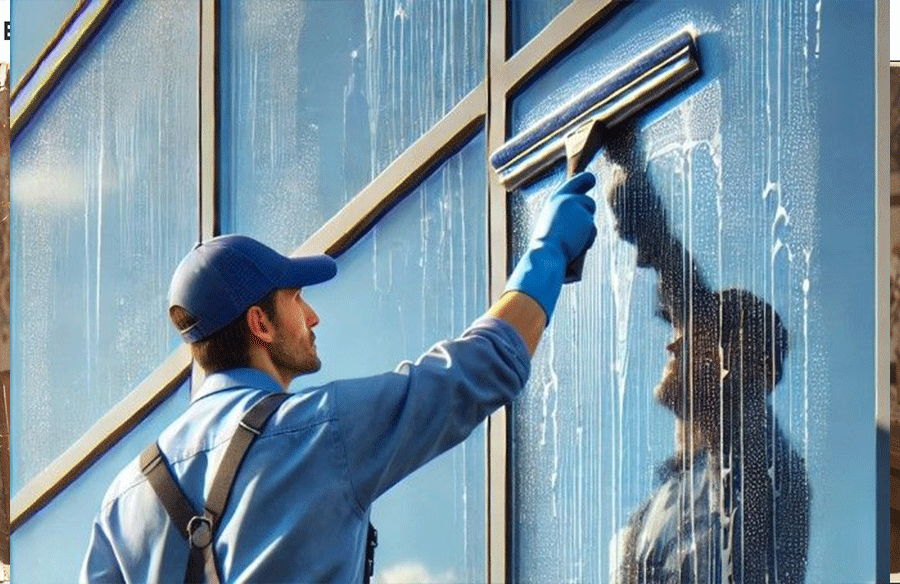
If you live in Lakeland, FL, you already know the weather here works overtime. Blazing sunshine, sudden afternoon downpours, and thick humidity are part of everyday life. What most homeowners don’t realize is how quietly that weather is wearing down their windows.
Clean glass does far more than look good. It lets in natural light, protects your home’s materials, and shows pride in your property. In this guide, we’ll look at what Florida’s climate does to your windows, how often they need attention, and the simplest ways to keep them sparkling year-round.
What Florida Weather Does to Your Windows
Intense Sun Bakes Dirt onto Glass
Strong UV rays don’t just heat your home. They bake dust, pollen, and residue onto the glass. The longer grime sits, the more it bonds to the surface, and eventually a quick wipe won’t touch it.
Rain Leaves Spots, Not Sparkle
Many people assume a good storm cleans their windows for free. In reality, rainwater picks up dust and pollutants on its way down, then dries on the glass and leaves spots and streaks. After a few storms, windows can look worse than before.
Humidity Invites Mold and Mildew
Lakeland’s humidity is a perfect environment for mildew and algae. They tend to appear first on frames, sills, and window tracks, then spread. Left untreated, they can damage seals and surrounding materials.
Hard Water Stains from Sprinklers
Florida’s hard water is full of minerals. When sprinklers hit your windows day after day, those minerals dry into cloudy white marks that regular glass cleaner can’t remove. In severe cases, they can permanently etch the glass.
Pollen and Lovebugs
Spring coats everything in yellow pollen, and lovebug season brings acidic residue that can damage glass and paint if it sits too long. Prompt cleaning makes a real difference.
How Often Should You Clean Windows in Lakeland, FL?
Every home is different, but these guidelines work well for most Lakeland properties:
- Exterior windows: every 3 to 4 months
- Interior windows: every 4 to 6 months, or more often with kids and pets
- Homes near lakes, trees, or busy roads: more often, since they collect extra debris
- After major storms or heavy pollen season: a touch-up clean is a smart idea
A simple test: look at your windows when the sun hits them directly. If you see haze, streaks, or spots, it’s time.
The Real Benefits of Regular Window Cleaning
Better curb appeal. Clean windows instantly make a home look fresher and better maintained, which matters whether you’re hosting guests or listing your house.
More natural light. Dirty glass blocks more light than you’d think. Clean windows brighten rooms and make them feel larger and more inviting.
Longer-lasting windows. Removing minerals, mildew, and acidic residue early protects the glass, frames, and seals, saving you money on repairs or replacements.
A healthier home. Less mold, dust, and pollen build-up around windows means a cleaner indoor environment, especially helpful for allergy sufferers.
Stronger property value. First impressions count. Spotless windows signal a well-cared-for home to buyers and neighbors alike.
DIY or Professional: What’s the Right Choice?
For light, regular upkeep, a bucket, squeegee, and microfiber cloth can work well. But Florida conditions often demand more. Hard water stains need specialized products, second-story windows are unsafe to reach without proper equipment, and screens and tracks take time and care to clean properly.
That’s where professional window cleaning pays off. Experienced cleaners use the right tools and techniques to deliver a streak-free finish, safely reach high or awkward windows, and handle stubborn buildup without scratching the glass. You save time and effort, and your windows get the results that are hard to achieve on your own.
Simple Habits to Keep Windows Cleaner Between Visits
- Adjust your sprinklers so they don’t spray directly on glass.
- Remove lovebug residue and bird droppings quickly, before they harden.
- Wipe tracks and sills regularly to prevent mildew.
- Avoid cleaning in direct midday sun, since the cleaner dries too fast and leaves streaks.
- Trim nearby branches to reduce sap, leaves, and debris.
- Use a microfiber cloth, not paper towels, to avoid lint and scratches.
Final Thoughts
Lakeland’s climate is part of what makes living here so enjoyable, but it’s tough on glass. Staying ahead of sun, rain, pollen, and humidity keeps your windows clear, your home attractive, and your property protected.
Whether you tackle the basics yourself or bring in a professional team, a regular cleaning routine is one of the easiest and most affordable ways to care for your home.