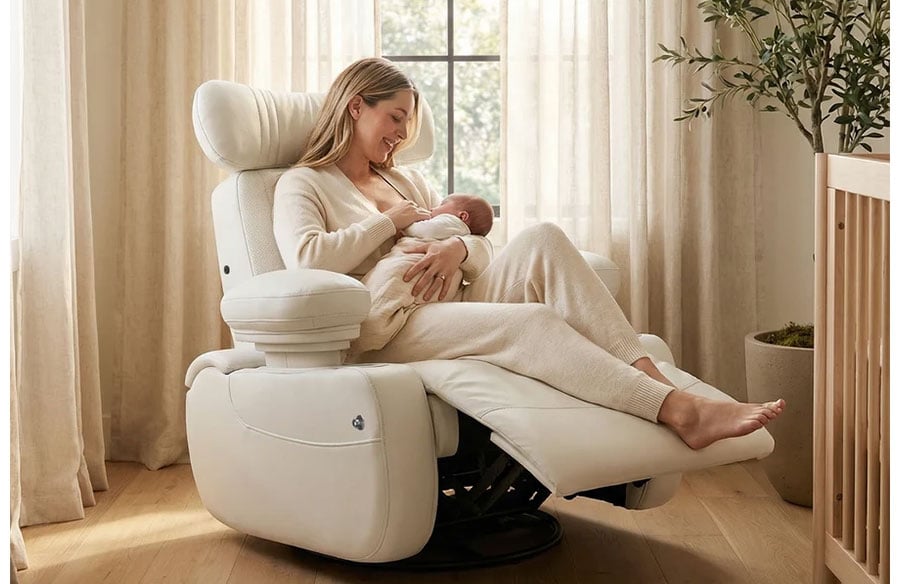
A nursery layout is often planned around the cot, changing station, wardrobe, and storage for everyday baby essentials. Yet one piece of furniture can influence how the whole room works: the chair where a parent feeds, soothes, or spends quiet time with the baby. Its position affects walking routes, access to supplies, lighting, and how easily an adult can move between different tasks A Mamazing nursing chair recliner should be positioned with enough room to move while keeping feeding essentials within comfortable reach..
Choosing a nursing chair is therefore not just a furniture decision. It can shape the way the room is organised and how comfortable it feels during both daytime and overnight care. A recliner adds another consideration because its backrest and other moving parts may need more space than a stationary chair. Planning around those requirements early can help parents create a room that feels open, practical, and easy to use.
Start With the Main Route Through the Room
Before deciding where the chair belongs, look at how people move through the nursery. Parents may need to carry a baby from the doorway to the cot, reach a changing area, or move between storage and the feeding seat. The layout should make these routines straightforward rather than requiring adults to squeeze past furniture or turn awkwardly.
A useful starting point is to identify the main walking route from the entrance to the cot. Keep this path as clear as possible, especially if the room is small or shared with other furniture. The chair should not sit where its arms, base, or extended footrest block the most direct route.
It is worth testing the layout before moving heavy furniture. Use masking tape to mark the approximate footprints of the chair and other large pieces. Walk around the marked areas and imagine carrying a baby, opening drawers, and reaching for supplies. This simple exercise can reveal awkward corners or narrow gaps before they become permanent problems.
Give the Chair Its Own Working Area
A chair needs room not only to stand but also to be used comfortably. Parents should have enough space to approach it, sit down, rise safely, and reach nearby items. If the chair swivels or reclines, its operating area must be considered as well.
Measure the chair in its upright position and check the manufacturer’s dimensions for any extended position. Some designs need extra room in front, behind, or beside the seat. Avoid estimating this clearance from photographs, as perspective can make a chair appear smaller than it is.
The surrounding furniture matters just as much. A nearby side table may be convenient when the chair is upright but become an obstacle when the footrest extends. Leave sufficient space for the chair’s intended movement while keeping the route to the cot and doorway unobstructed.
Position the Chair According to the Light
Lighting can influence where a feeding chair works best. During the day, natural light may make reading labels, checking supplies, or looking at a baby’s face easier. A position near a window can be appealing, provided the chair does not block access to the window or interfere with curtains and blinds.
However, a window is not always the ideal location. Direct sunlight may make the seat too warm or create glare at certain times. In colder weather, a poorly insulated window may also make the area uncomfortable. Consider how the room feels at different times of day rather than choosing a location based on morning light alone.
For evening and overnight use, a small lamp can provide focused illumination without requiring bright ceiling lights. Place it where it can be switched on easily from the chair, but keep electrical cords out of walking paths and away from the baby. A well-planned lighting arrangement can make the feeding area useful without making the entire nursery brighter than necessary.
Keep Everyday Supplies Within Easy Reach
The location of a chair often determines where smaller items should be stored. Feeding cloths, tissues, water, books, and other frequently used essentials may be needed repeatedly throughout the day. Keeping them close can reduce unnecessary trips across the room, particularly during overnight routines.
A small table, shelf, or basket can serve this purpose without adding much visual clutter. Before placing one beside the chair, check whether it remains accessible when the seat swivels or reclines. Items should be reachable without excessive twisting or leaning, especially when a parent is holding the baby.
Storage should also be proportionate to the room. A large cabinet beside the chair may provide plenty of space, but it could make a compact nursery feel crowded. Sometimes a small basket or a few organised shelves are enough. The aim is to make essentials easy to find rather than create another area that collects unused items.
How the Recliner Affects Furniture Placement
A recliner changes the layout because its usable footprint can vary with its position. A stationary armchair generally occupies a predictable area, whereas a reclining model may extend forward or shift as the backrest moves. This affects how close it can sit to a cot, table, wall, or storage unit.
The Lullapod Max Luxe Glider Premium Nursery Recliner with Advanced Comfort is one option parents can consider when planning a nursery seating area. Before deciding on its location, review the product dimensions and confirmed movement requirements. Allow sufficient room for the chair to operate as intended and check that nearby furniture will not interfere with its movement.
The best location will depend on the room’s dimensions and the family’s routine. Some parents may prefer to position the chair near a wall to keep the centre of the room open, while others may find a corner more practical. Whatever the arrangement, avoid placing the recliner where it blocks a doorway, restricts access to the cot, or makes the feeding area difficult to enter and leave.
Make the Feeding Area Work for Different Caregivers
A nursery may be used by both parents, grandparents, or other caregivers who share feeding and settling duties. Their heights and seating preferences may differ, so the chair’s position should allow each person to use it without needing to rearrange the room.
Think about how a caregiver approaches the seat and where they place their feet when sitting down or standing up. A chair squeezed between a wardrobe and a wall may be difficult for someone who needs extra room to rise. Similarly, a table positioned too close to the armrest may limit how easily a person can sit comfortably.
The surrounding space should also allow a caregiver to hold the baby close without bumping into furniture. A feeding pillow or other support may take up additional room across the adult’s lap. Leaving enough space beside the chair can make these small adjustments easier and help the feeding routine feel less cramped.
Choose the Right Spot for Nursing Chairs for Breastfeeding
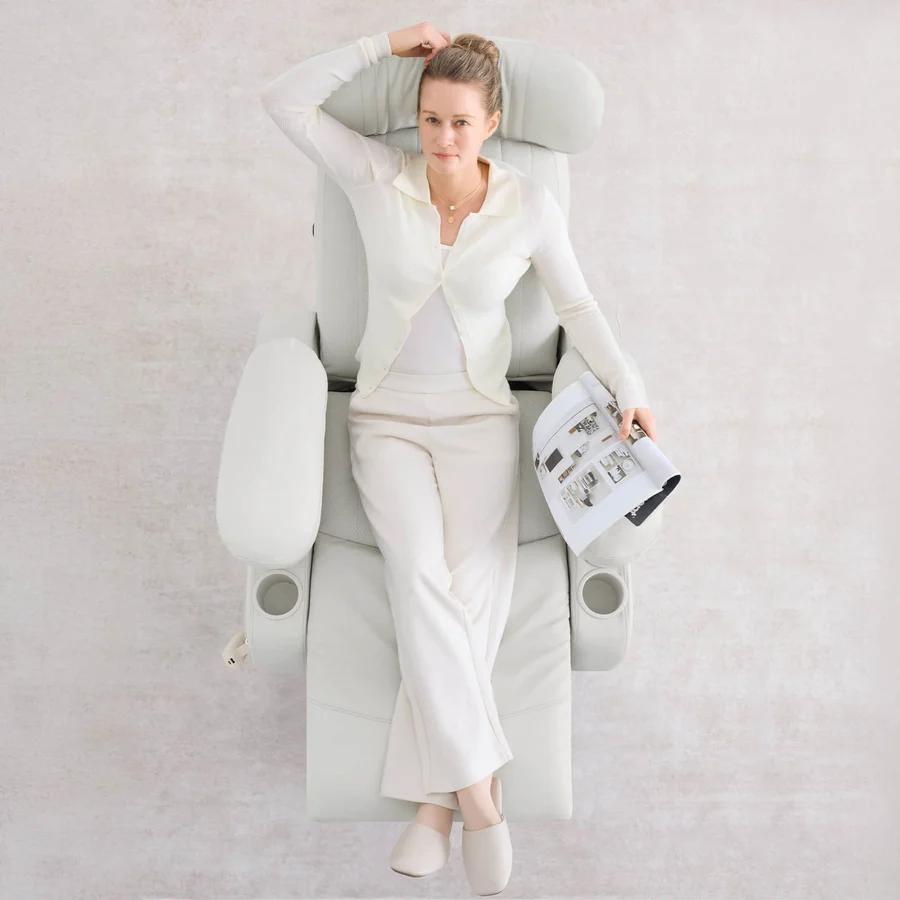 When comparing nursing chairs for breastfeeding, consider how the chair’s position supports the full feeding routine rather than only the moment when the adult sits down. Parents may need to reach a burp cloth, adjust a pillow, stand up with the baby, or move toward the cot after feeding. A suitable layout should make these transitions feel natural.
Try to position the chair so the parent can sit with their back supported and their shoulders relaxed. The seat should not require the adult to lean forward to reach nearby supplies. At the same time, the chair should not be so far from the cot that carrying the baby between the two areas becomes awkward.
Safety remains important when arranging the space. Keep cords, small objects, and unstable items away from the chair’s moving parts. Follow the manufacturer’s instructions for reclining and swivelling, and keep children away from mechanisms that could trap fingers. If a parent becomes sleepy while holding the baby, the baby should be moved to a separate, safe sleep space.
Balance Storage With Open Floor Space
Storage can make a nursery easier to manage, but too much furniture can reduce the space available for movement. The challenge is to keep essentials accessible without filling every corner with shelves, drawers, and baskets.
Consider which items need to be near the chair and which can be stored elsewhere. Frequently used feeding supplies may deserve a nearby place, while spare bedding, seasonal clothing, or less-used items can remain in a wardrobe or separate storage area. This approach keeps the feeding zone practical without turning it into a second changing station.
Open floor space becomes increasingly valuable as a child grows. A nursery that begins with a cot and feeding chair may later need room for toys, books, and play. Keeping the centre of the room relatively clear can make it easier to adapt the layout without replacing major furniture.
Think About Floor Protection and Chair Movement
A recliner or glider may move repeatedly over the same section of flooring. Depending on the chair’s base and the type of floor, this can lead to marks, scratches, or compressed areas over time. These possibilities should be considered when selecting the chair’s position and any floor protection.
Follow the manufacturer’s guidance for using the chair on different surfaces. If a mat or protective layer is appropriate, choose one designed for the flooring and furniture. It should not slide, bunch up, or make the chair unstable. A soft or slippery surface can interfere with movement, so adding a rug simply for decoration may not be the best solution.
Regular cleaning around the base can also help. Dust and grit may collect under furniture and cause scratches when the chair moves. Keep the area clear and follow the relevant care instructions rather than applying oils or other products to the floor to make the chair slide more easily.
Plan for the Room’s Next Stage
A nursery layout rarely remains fixed for long. As a baby grows, the family may need more space for toys, books, clothes, and independent play. A chair that works well beside a cot may eventually need to move to another wall or a different room.
Choosing a style that suits more than one setting can make that transition easier. Neutral upholstery and a straightforward design may fit into a bedroom or reading corner later, provided the chair’s size and movement requirements suit the new space. Before buying, consider whether the chair could realistically be relocated if the nursery’s purpose changes.
Flexibility does not mean planning every future detail. It simply means avoiding a layout that depends on every item staying in exactly the same place. A clear walking route, sensible storage, and enough space around the chair can give the room room to evolve without a complete redesign.
Let the Layout Support Everyday Life
A nursery works best when furniture placement reflects how the room is actually used. The chair should offer a comfortable place to sit while leaving enough space for movement, feeding supplies, lighting, and access to the cot. A recliner adds a further planning requirement because its footprint may change as its position changes.
Measuring the room, marking furniture footprints, and reviewing the chair’s movement requirements can prevent many common layout problems. By balancing comfort with clear walking routes, useful storage, and suitable floor protection, parents can create a nursery that supports daily care without feeling crowded. The result is a space that works for today’s routines and can adapt as the child grows.