
Home battery backup warranties explain how long a system is protected, what performance the manufacturer promises, and what happens when a component fails. A “10-year warranty” tells only part of the story: capacity retention, cycle limits, operating conditions, and claim exclusions shape the protection you receive. Before choosing a battery backup for home use, read the warranty alongside the installation quote. Confirm who handles service, which components are covered, and what evidence you must provide if something goes wrong.
Understand Warranty Length and Coverage Terms
Start by checking the warranty’s start date and total term. Coverage may begin at purchase, delivery, commissioning, or installation, so confirm the trigger in writing and keep the invoice and commissioning record. Separate the product warranty from any workmanship guarantee; they may have different providers, durations, and exclusions. Read what counts as a covered defect, including faults in materials, workmanship, or battery performance. Review exclusions for improper installation, unauthorized repairs, unsuitable environments, extreme temperatures, poor maintenance, or use outside stated operating limits. Ask the seller to clarify ambiguous wording before you sign.
Review Battery Capacity and Cycle Guarantees
Understand the Minimum Retained Capacity at Warranty End
Find the minimum capacity guaranteed at warranty end, expressed as a percentage of the battery’s original capacity. Confirm whether the figure refers to usable or nominal capacity and how it is measured. A threshold matters only if the test method and operating conditions are clear. Ask what remedy applies if testing shows the battery has fallen below the guaranteed level.
Check Cycle Limits and Daily Usage Conditions
Cycle guarantees describe how many charge-and-discharge cycles the battery can complete under the warranty, while daily-use rules may limit throughput or depth of discharge. Check whether the guarantee also has a total energy-throughput cap and whether heavy cycling affects coverage. Match those conditions to your expected usage, especially if you plan to charge daily or rely on backup during frequent outages.
Understand the Claims Process and Repair Options
Check How to Report Faults and Submit Supporting Evidence
Check whether you must contact the installer, retailer, or manufacturer first, and note any deadline for reporting a fault. It may require serial numbers, proof of purchase, installation records, error codes, photographs, or diagnostic logs. Keep copies of all correspondence and follow troubleshooting instructions carefully. Do not open or modify equipment unless authorized, because unauthorized work may affect coverage.
Compare Repair, Replacement, and Refund Provisions
When reviewing a warranty for a battery backup for home use, check whether the provider can repair the battery, replace a faulty unit or component, or offer another remedy. The warranty may specify refurbished replacements, equivalent models, parts availability, or prorated compensation rather than a cash refund. Check who pays for labor, transport, removal, reinstallation, and disposal. Confirm whether coverage restarts or continues for the repaired or replacement item.
Verify Transferability if You Sell Your Home
If you sell the property, confirm whether coverage follows the battery, transfers to the new homeowner, or ends when the original owner moves. Check for transfer fees, deadlines, proof-of-sale requirements, and limits on transfers. Complete required paperwork before closing and give the buyer the warranty, purchase receipt, and service records. Ask the provider to confirm the transfer in writing.
Integrating such systems into a home’s infrastructure is increasingly a consideration for architects and designers, influencing property value and long-term sustainability. Thoughtful placement and seamless integration ensure these functional elements enhance, rather than detract from, a home’s aesthetic and usability.
Evaluate Warranty Value Before Choosing a System
Compare Coverage Across Batteries, Inverters, and Accessories
List every major component in the quote, including the battery, inverter, control equipment, gateway, monitoring hardware, and installation work. These items may carry separate warranty periods and claim procedures, even when sold as one system. Confirm whether accessories are included, whether labor is covered, and who coordinates a claim involving multiple components. Get the coverage breakdown in writing.
The selection and integration of these technical components are critical design decisions, impacting a building’s energy efficiency, resilience, and overall architectural performance. Designers often consider how these systems contribute to a holistic approach to sustainable living and building operation.
 Check Manufacturer Support and Replacement Availability
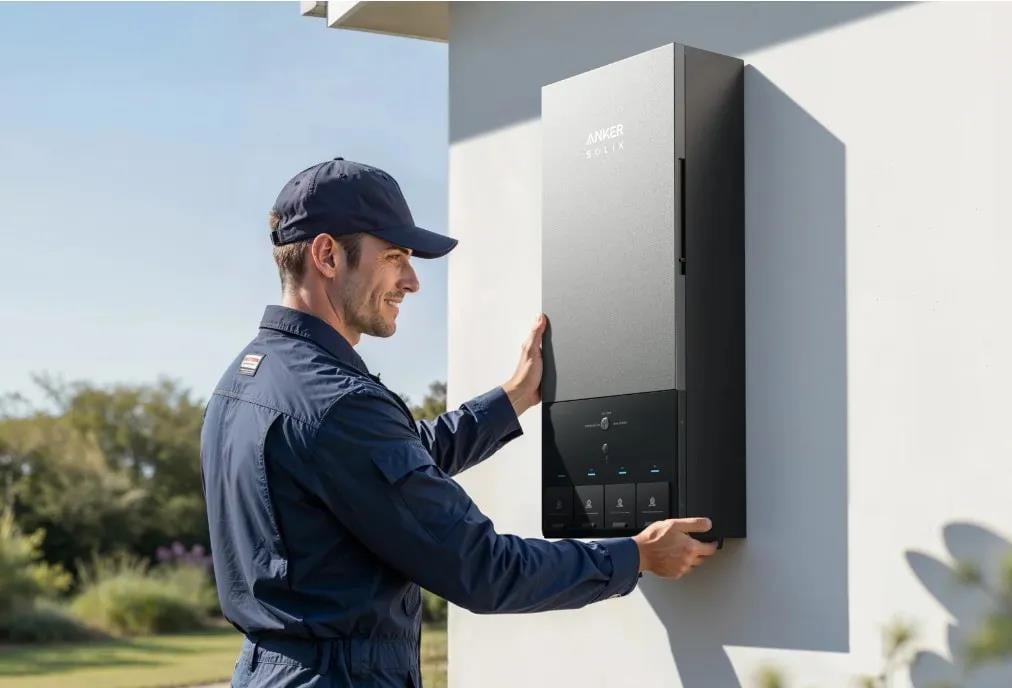
Reliable after-sales support matters as much as the written warranty. Before buying, check how to contact service, whether replacement parts are available, and who handles repairs. When considering a whole-home backup system, review its installation support alongside the product warranty. Make sure it clearly explains repair responsibilities, replacement options, and any additional service costs.
Match Warranty Protection to Your Ownership Plans
Choose coverage that fits how long you expect to own the system and how you intend to use it. If you may move soon, transferability and remaining warranty value matter; if you plan to stay, capacity retention, cycle limits, and service access may matter more. Compare the warranty with expected usage and installation terms. Keep a copy with your home records.
Conclusion
A strong home battery warranty sets clear expectations for performance, service, and remedies when something fails. Before choosing a system, verify the start date, duration, capacity threshold, cycle or throughput limits, exclusions, and claim process. Check whether repairs include labor and reinstallation, whether replacements are available, and whether coverage transfers with the property. Ask the provider to clarify unclear terms in writing and save the final document with your purchase and installation records. These checks help you compare systems on protection you can rely on.