A little water around the sink or bathtub might not seem like a big deal. After all, these are areas designed to handle water every day. The trouble starts when moisture collects in places where it doesn’t belong, such as beneath cabinets, behind toilets, or inside walls.
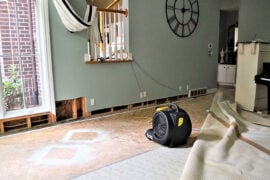
Even a small plumbing leak can create the damp conditions that mold needs to grow. Left unnoticed, moisture can damage wood, weaken drywall, and lead to repairs that go well beyond fixing the original leak.
The good news is that many moisture problems can be prevented with regular inspections, proper ventilation, and timely plumbing maintenance. Knowing where to look and what to watch for can make a real difference.
Small Plumbing Leaks Are Easy to Miss
Not every plumbing leak leaves a puddle on the floor. Some of the most troublesome leaks develop slowly, releasing just enough water to keep surrounding materials damp.
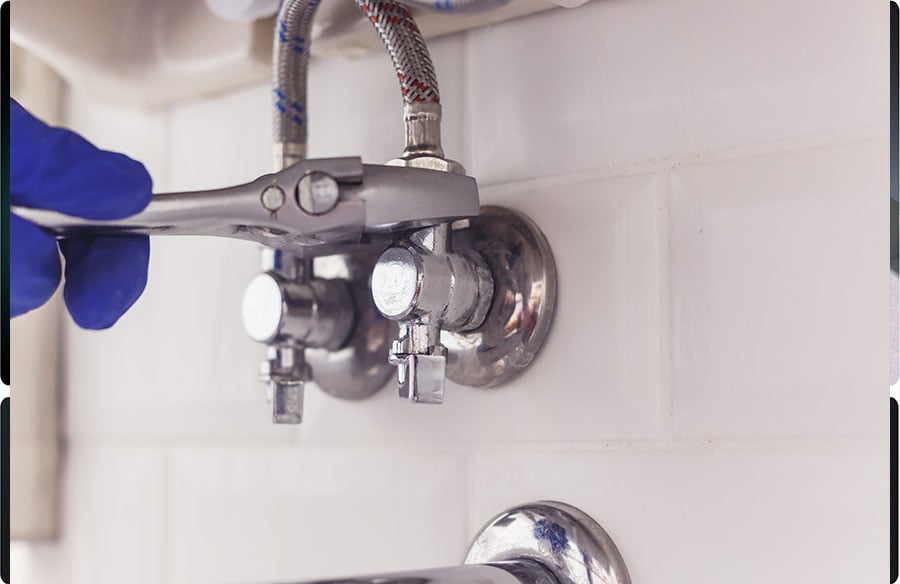
Under kitchen and bathroom sinks, supply line connections, shutoff valves, and drain fittings are common places to check. A connection that drips only occasionally might not attract attention, especially when cleaning products or storage containers hide the affected area.
Over time, however, that moisture can soak into the cabinet floor and surrounding wood.
Homeowners should occasionally empty the space beneath their sinks and inspect the plumbing with a flashlight. Look for water stains, corrosion around connections, swollen cabinet panels, or small droplets forming along pipes.
Running the faucet while checking the drain connections can also help reveal leaks that occur only when water is flowing.
If a fitting or valve is damaged, replacing the affected component is generally more effective than relying on temporary sealants. Homeowners researching compatible plumbing fittings, valves, and repair supplies from PlumbingSell should first identify the existing pipe material and connection type to ensure any replacement is suitable.
Condensation Can Look Like a Plumbing Leak
Sometimes, moisture around a pipe doesn’t come from a damaged connection at all.
Cold water pipes can develop condensation when warm, humid air comes into contact with their cooler surfaces. This is particularly common in bathrooms, laundry rooms, basements, and poorly ventilated cabinets.
A toilet tank can experience the same problem during humid weather, leaving water droplets on its exterior even when the plumbing is functioning normally.
Condensation may appear harmless, but repeated moisture exposure can still damage nearby surfaces.
Insulating exposed cold water pipes with appropriate pipe insulation can help reduce condensation. Improving airflow and controlling indoor humidity are also important, particularly in enclosed spaces.
If moisture continues to appear, it’s worth checking whether the pipe is actually leaking before assuming condensation is responsible.
Failed Seals Around Tubs, Showers, and Toilets
Caulk and other sealing materials help keep water from entering vulnerable gaps around plumbing fixtures.
Over time, these seals can crack, shrink, separate, or become damaged through regular use and cleaning.
Around bathtubs and shower enclosures, deteriorated caulk can allow water to reach the wall or floor beneath the surrounding finish. The damage may remain hidden until paint begins peeling, tiles loosen, or an unpleasant odor develops.
Toilets present a slightly different concern. Water collecting around the base might come from condensation, a leaking supply connection, or a problem with the seal between the toilet and its drain connection.
That distinction matters because applying caulk around the outside of a toilet won’t repair a failed drain seal.
Homeowners should inspect visible caulk and grout regularly, paying attention to gaps, discoloration, and areas that remain wet long after the fixture has been used.
Damaged seals should be repaired promptly, and any suspected leak beneath a toilet or behind a shower wall should be investigated rather than simply covered up.
Don’t Overlook Laundry Rooms
Laundry areas can experience moisture problems even when the washing machine appears to be working normally.
Washing machine supply hoses, shutoff valves, and drain connections are worth inspecting periodically. Look for bulging hoses, loose fittings, corrosion, or dampness behind the appliance.
Because washing machines often sit close to walls, small leaks can go unnoticed until moisture reaches nearby drywall or flooring.
The drain hose should also be properly positioned and secured according to the appliance manufacturer’s instructions. A hose that slips out of place can release a considerable amount of water during a drain cycle.
Where practical, a washing machine drain pan or water leak alarm can provide additional protection, especially in upstairs laundry rooms.
Leaving enough space for routine inspection and addressing signs of moisture early can help prevent more serious damage.
Ventilation Makes a Bigger Difference Than You Might Think
Even without plumbing leaks, bathrooms and laundry rooms can experience high humidity.
Hot showers release moisture into the air, which can settle on walls, ceilings, cabinets, and other cooler surfaces. Without adequate ventilation, those surfaces may remain damp for extended periods.
Bathroom exhaust fans help remove humid air before it accumulates. They should vent outdoors rather than into an attic or another enclosed space.
Running the fan during showers and for a period afterward can help surfaces dry more quickly.
In consistently humid areas, a dehumidifier may also be useful. The U.S. Environmental Protection Agency generally recommends keeping indoor relative humidity below 60%, ideally between 30% and 50%.
Good ventilation won’t repair a leaking pipe, but it can reduce the background moisture that makes mold growth more likely.
Early Warning Signs of Hidden Moisture
Moisture problems aren’t always immediately visible. In some cases, the first indication is a change in how a room smells or how nearby materials look.
A persistent musty odor inside a bathroom cabinet can suggest moisture has been present for some time. Peeling paint, bubbling finishes, soft drywall, or swollen wooden panels may also indicate water damage.
Dark spots around caulk, grout, or cabinet corners deserve attention, although discoloration alone doesn’t confirm mold.
Another warning sign is a water stain that continues to expand despite regular cleaning and drying.
When these symptoms appear, the priority should be identifying the moisture source. Cleaning a stained surface without correcting the underlying problem may allow the damage to return.
For extensive mold growth, repeated water damage, or suspected contamination inside walls, professional assessment may be necessary.
A Little Maintenance Can Prevent Larger Repairs
Preventing moisture damage doesn’t require constantly monitoring every pipe in the house. A few practical habits can make a meaningful difference.
Check accessible plumbing connections occasionally, especially beneath sinks and behind appliances. Keep cabinet interiors reasonably clear so leaks are easier to spot, and avoid storing items against damp surfaces.
After showers or baths, allow wet areas to dry and maintain adequate ventilation. Replace deteriorated seals when needed, and investigate unexplained moisture rather than waiting for it to become a visible leak.
Most importantly, don’t ignore small plumbing problems simply because they haven’t affected the fixture’s performance.
A slow drip might seem manageable today, but the surrounding materials can continue absorbing moisture long before the damage becomes obvious.
Keeping Plumbing Areas Dry and Healthy
Moisture and mold prevention starts with understanding how water moves around the home. Leaking connections, condensation, deteriorating seals, and poor ventilation can all create conditions that allow moisture to build up.
Regular inspections and prompt plumbing repairs help address these problems while they’re still relatively manageable.
Homeowners don’t need to diagnose every issue themselves. When the source of moisture is unclear or a leak involves concealed plumbing, a qualified plumber can help determine the cause and recommend an appropriate repair.
Paying attention to the small signs of moisture today can help protect cabinets, walls, flooring, and the overall condition of the home for years to come.