Concrete jungles are expanding rapidly, making nature feel increasingly out of reach for city dwellers. While urban parks and surrounding wildlands exist, navigating them often feels like an obstacle course.
There are millions of people looking for outdoor escape every day, but fragmented transit, poor trailheads, and fragile terrain keep many stuck inside. Eco-friendly pathways, bridges, and smart transit hubs are some of the solutions to these access barriers.
Carefully planned infrastructural interventions help connect people directly to green spaces while actively safeguarding vulnerable ecosystems for future generations.
Inclusive Pathways for All Mobility Levels
Trail design historically ignored visitors with wheelchairs, strollers, or reduced mobility. Rugged roots and steep, muddy inclines turn a peaceful nature walk into an impassable barrier.
Modern sustainable design uses permeable, smooth paving materials and low-impact grading to fix this gap. Crushed local stone, recycled glass binders, and elevated wooden boardwalks allow everyone to explore safely.
Designing wide, gently sloped pathways ensures that public nature trails serve the entire community equally.
Green Corridors Connecting Urban Centers and Green Spaces
Parks cannot function as isolated islands surrounded by busy highways. Urban green corridors act as ecological highways, linking dense neighborhood centers directly to surrounding natural reserves.
Protected bike paths, vegetated linear parks, and tree-lined walkways give residents safe, non-motorized routes to nature. When cities weave continuous natural strips into their transit grids, commuting on foot becomes a viable, healthy alternative to driving.
Carefully Planned Bridges and Elevated Walkways
Sensitive wetlands and stream crossings require specialized structural design to prevent soil erosion and habitat destruction. Standard heavy machinery often crushes delicate root systems, leaving lasting ecological scars during park construction.
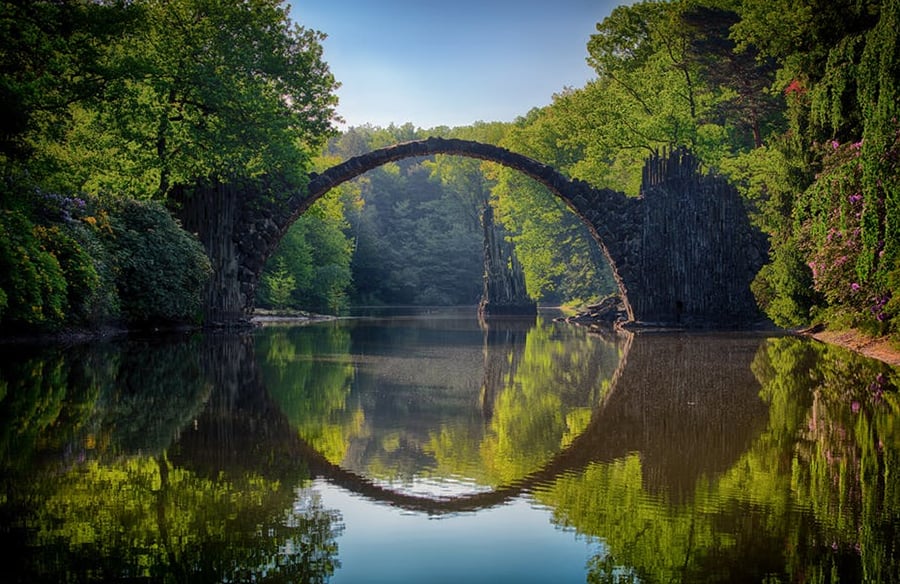
Elevated boardwalks and low-impact bridges allow visitors to cross sensitive waterways without disturbing native wildlife habitats underneath. Choosing modular assembly techniques minimizes heavy equipment footprints while maximizing structural longevity across variable weather conditions.
And it goes without saying, this level of intricate work demands working with specialized local teams who take sustainable construction practices seriously. For example, land managers and organizations in Florida get in touch with York Bridge Concepts for design inspiration or help constructing timber-framed crossings and bridges tailored to delicate ecosystems.
Public Transit Hubs With Trailhead Entrances
A park is only accessible if people can actually reach the entrance without needing a personal automobile. Placing public bus stops and light rail stations directly at major trailheads eliminates parking bottlenecks and reduces vehicle emissions around park boundaries.
In a 2025 presser, the Department of the Interior highlighted how modernized access frameworks improve visitor entry across national sites by aligning transit schedules with visitor demand. It launched in January 2026. Direct transit connections ensure lower-income residents and non-drivers enjoy reliable access to outdoor recreation.
Enhanced Lighting and Safety Features for Extended Trail Hours
Short winter days and early sunsets often cut outdoor recreation time short for working adults. Strategic trail illumination extends usable hours while preserving the surrounding natural nighttime environment.
Low-glare, solar-powered LED fixtures pointing downward minimize light pollution and avoid disrupting nocturnal animals. Pair these lights with emergency call boxes and clear sightlines, and trail networks feel significantly safer for evening runners and families.
Eco-Friendly Signage and Wayfinding Systems
Getting lost on poorly marked trails turns a relaxing afternoon into a stressful ordeal. Clear, sustainable signage gives visitors the confidence to explore new routes without fear of losing their way.
- Recycled timber and composite metals endure harsh weather without leaching toxins into the soil
- QR codes etched into wooden posts offer downloadable maps to replace paper waste
- Universal icons help international visitors navigate complex trail networks effortlessly
Well-placed directional posts keep hikers on designated paths, which prevents soil compaction and protects fragile off-trail flora.
Minimizing Environmental Footprint with Eco-Conscious Material Selection
Traditional construction relies heavily on high-carbon concrete and chemically treated timber that pollutes local waterways over time. Choosing sustainable materials dramatically reduces the lifecycle impact of trail infrastructure.
Recycled plastics, sustainably harvested wood, and natural stone blend visually into surrounding landscapes while offering exceptional durability.
Research published in MDPI demonstrates that system-level frameworks for walking trail management depend heavily on choosing low-impact, durable materials. Sustainable sourcing also prevents frequent structural replacements, saving public maintenance funds over the long run.
Smart Technology for Real-Time Crowd and Access Monitoring
Overcrowding damages trail systems and creates frustrating traffic jams at popular scenic viewpoints. Smart infrastructure uses discreet optical sensors to track trail density in real time without compromising individual privacy.
Digital displays at trailheads and mobile apps inform visitors about current crowd levels before they set out. Some of the leading cities for green space use this tech to distribute visitor traffic evenly across alternative routes.
Engaging Local Communities in Sustainable Master Planning
Top-down park designs often miss the actual daily needs of the surrounding neighborhood. Involving local residents in the planning process ensures new infrastructure solves real accessibility challenges. Community workshops, interactive mapping surveys, and volunteer trail-building days build a strong sense of local ownership.
When residents help design their green spaces, park usage increases and long-term vandalism drops significantly.
Expanding Your Understanding of Green Spaces
Upgrading park infrastructure with sustainable elements can transform how communities interact with the outdoors. Thoughtful design protects delicate natural environments while making green spaces welcoming for everyone. If this piece spoke to you, feel welcome to explore our other articles on eco-friendly urban planning and green recreational design.