A whole-house remodel rarely runs late because of the design drawings themselves. Schedules slip when furniture blocks a demolition crew, tile arrives too early, or custom millwork sits in the rain over a weekend.
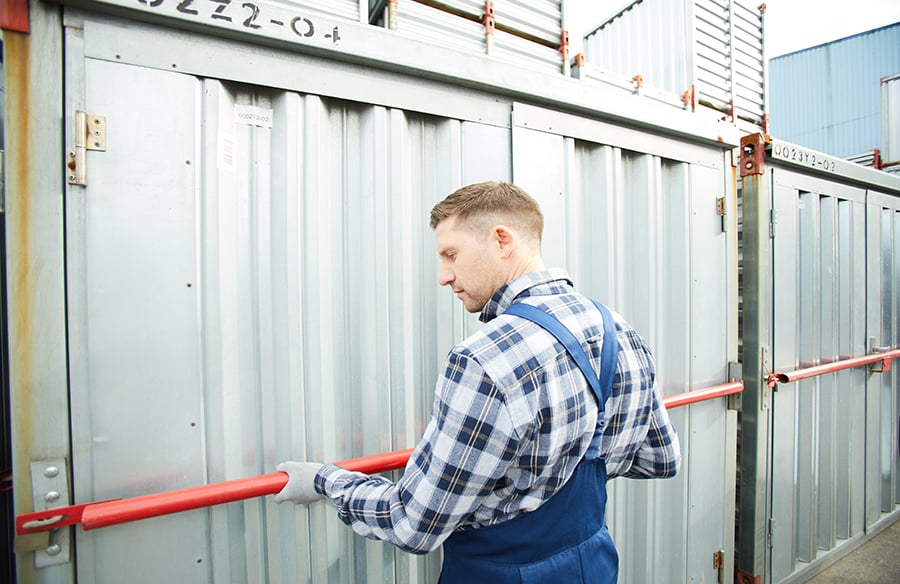
Many architects and general contractors now solve these problems with storage containers for rent placed on the property before work begins. A rented container gives the project a secure, weatherproof room a few steps from the work area for as long as the build runs.
That single box changes how a large renovation moves from demolition to final punch list, especially on complex jobs with many trades.
Protecting the homeowner’s belongings
Large remodels often empty entire floors, and homeowners rarely have a garage or basement large enough to hold everything. Off-site storage units add moving trips, monthly fees, and a drive every time someone needs a winter coat or a box of documents.
An on-site container keeps furniture, rugs, and personal items within reach while crews work around them. The steel walls and lockable doors shield those belongings from construction dust, paint overspray, and accidental damage in rooms under active work.
Families who stay in the home during the remodel benefit the most from this setup. They keep daily essentials close by while the rest of their furniture waits safely in the driveway until the final cleaning.
Staging materials before the trades need them
Supply chain delays have pushed many design teams to order windows, cabinetry, flooring, and fixtures weeks or months ahead of installation. Those early orders protect the schedule, but they create a new problem once the materials arrive with nowhere safe to go.
A container on site turns the driveway into a small warehouse for the project. Crews pull cabinets or tile boxes as each phase begins, which reduces double handling and keeps finished materials away from wet concrete, sawdust, and foot traffic.
Keeping materials together also helps the project manager verify deliveries against the order list. Missing pieces surface during the first inspection rather than on installation day, when a short shipment can stall an entire crew.
Reducing theft and weather damage
Jobsites with open garages, tarps, or unlocked trailers invite theft of copper, power tools, and boxed appliances, especially on weekends and holidays. A steel container with a heavy-duty lock gives crews one secure place to store high-value items at the end of each day.
Weather creates the second risk, since rain, snow, and summer humidity warp hardwood, swell cabinet boxes, and rust fixtures. Wind and watertight containers keep those materials dry until installation, which protects both the budget and the finish quality the design called for.
Keeping the site organized and the schedule on track
Clutter slows every trade on a renovation, because crews spend time moving stacked materials before they can start their own work. Clear rooms let framers, electricians, and finish carpenters move through their phases without waiting on each other.
A container also gives the site a fixed point for tools, ladders, and consumables that several trades share. When everyone knows where equipment lives, fewer items go missing and fewer hours go to searching the house for a specific bit or blade.
Choosing the right container for the job
Container size and door style should match the volume of material and how often crews need access during the project.
- 20-foot containers. These units fit most residential driveways and hold the contents of a large kitchen and two or three rooms of furniture.
- 40-foot containers. Whole-house remodels and multi-unit projects benefit from the extra length, which can hold staged materials and furniture in separate zones.
- Open side and double door units. Doors along the long side or at both ends let crews reach items without unloading the entire container first.
Rental suppliers such as CMG Containers offer open side and double door models alongside standard units. Those door options help when crews pull materials from different parts of the container every day.
Planning the delivery and placement
Good placement decisions before delivery prevent problems for the rest of the project.
- Pick a firm, level surface. A paved driveway, compacted gravel, or a set of leveling blocks keeps the doors aligned and opening smoothly throughout the rental.
- Confirm truck access. The delivery truck needs clear overhead space and a straight path, free of low branches, power lines, and parked cars.
- Check local rules early. Some towns and homeowners associations require a permit or set time limits for containers placed in driveways or on the street.
- Position doors toward the house. Facing the doors toward the work area shortens every trip and keeps loading paths out of the delivery and dumpster zones.
Big remodels involve more materials, more trades, and more moving parts than most homes can absorb at once. A container on site protects belongings, keeps materials dry and secure, and gives every crew a cleaner place to work from demolition to final walkthrough.