Your roof is one of the most important parts of your home, protecting your family and belongings from rain, wind, extreme temperatures, and other outdoor elements. However, constant exposure to changing weather conditions can gradually wear down roofing materials. Small issues, such as a missing shingle or minor leak, can quickly develop into more expensive problems if left untreated. Understanding when to schedule roof repair can help homeowners protect their property, maintain energy efficiency, and avoid unnecessary replacement costs.
Whether you have noticed water stains on your ceiling or want to prevent future damage, knowing the basics of roof maintenance and repair can make a significant difference. With regular inspections and timely professional assistance, you can keep your roofing system in good condition for years to come.
1. Recognizing the Early Signs of Roof Damage
Roofing problems are not always immediately visible from the ground. In many cases, damage begins in small areas and gradually spreads until it affects the underlying structure. Recognizing the warning signs early can help you arrange roof damage repair before the problem becomes more serious.
One common sign is a water stain on the ceiling or upper walls. These stains may appear yellow or brown and can indicate that moisture is entering through damaged shingles, flashing, or other vulnerable areas. Even if the stain appears small, the underlying leak may extend beyond the visible mark.
Missing, cracked, curled, or loose shingles are other signs that your roof may need attention. Shingles protect the roof deck from moisture and direct sunlight. When they become damaged, water can reach the layers underneath and gradually weaken the roofing system.
Homeowners should also watch for granules collecting in gutters, sagging roof sections, damaged flashing around chimneys, and unexplained increases in indoor humidity. If you notice any of these issues, arranging a professional roof inspection can help identify the cause and determine the appropriate solution.
2. Common Roofing Problems That Require Professional Attention
Several roofing issues can develop over time, depending on the roofing material, installation quality, and local weather conditions.
Roof Leaks and Water Intrusion
A roof leak repair service addresses areas where water enters the roofing system. Leaks can develop around vents, skylights, chimneys, valleys, and damaged shingles. Poor drainage and deteriorating sealants can also contribute to moisture intrusion.
The location of a ceiling stain does not necessarily indicate where the leak begins. Water can travel along roof decking and structural components before becoming visible indoors. Professional roofers inspect the surrounding area to locate the source rather than simply covering the visible damage.
Missing or Damaged Shingles
Strong winds, falling branches, aging materials, and severe storms can loosen or remove shingles. Replacing damaged shingles promptly helps restore the roof’s protective barrier and reduces the likelihood of further water damage.
A qualified contractor can assess whether isolated shingle replacement is sufficient or whether widespread deterioration requires more extensive work.
Damaged Flashing
Flashing consists of protective metal or compatible waterproofing materials installed around roof penetrations and transitions. It helps direct water away from vulnerable joints.
When flashing becomes loose, corroded, or improperly sealed, moisture can enter the roof structure. Repairing these areas is particularly important around chimneys, plumbing vents, and skylights.
Poor Drainage and Clogged Gutters
Gutters and downspouts help move rainwater away from the roof and foundation. When they become clogged with leaves, dirt, or debris, water may overflow or collect near roof edges.
Regular gutter maintenance supports effective drainage and helps prevent moisture-related deterioration. During an inspection, contractors can also identify drainage problems that may contribute to recurring leaks.
3. Why Timely Roof Repair Matters
Delaying residential roof repair can allow minor defects to develop into more extensive structural problems. Water that enters through a small opening may damage insulation, ceiling materials, wooden framing, and interior finishes. Persistent moisture can also encourage mold growth when conditions are suitable.
Prompt repairs can help homeowners control costs by addressing localized damage before it spreads. For example, replacing a few damaged shingles is generally a smaller project than repairing extensive roof decking and interior water damage.
A properly maintained roof may also support indoor comfort and energy efficiency. Damaged roofing components, wet insulation, and air leaks can contribute to unwanted heat transfer and inconsistent indoor temperatures.
Timely maintenance is especially valuable before seasons with heavy rainfall, strong winds, or significant temperature fluctuations. Scheduling repairs before severe weather arrives gives contractors an opportunity to identify vulnerabilities and restore the roof’s protective features.
4. What to Expect During a Professional Roof Repair
Understanding the repair process can help homeowners feel more confident when hiring a roofing contractor.
The process typically begins with an inspection. A roofing professional evaluates the visible roofing materials, flashing, drainage systems, and accessible areas of the roof structure. They may also examine attic spaces for signs of moisture, inadequate ventilation, or damaged insulation.
After identifying the problem, the contractor explains the recommended repairs and provides an estimate. The scope of work may include replacing shingles, resealing flashing, repairing damaged decking, correcting drainage issues, or addressing other specific defects.
Once the homeowner approves the work, the repair team prepares the area, removes damaged materials when necessary, and installs suitable replacements. The contractor should also inspect the repaired section to verify that the work has been completed appropriately.
When researching roof repair services near me, homeowners should look for licensed or appropriately qualified contractors, relevant insurance coverage, clear written estimates, and references from previous customers. Ask about material options, warranties, project timelines, and any additional costs that could arise if hidden damage is discovered.
Choosing a contractor based on experience, communication, and workmanship is often more valuable than selecting the lowest estimate alone.
5. Roof Repair vs. Roof Replacement: Which Is Better?
Not every damaged roof requires complete replacement. The right decision depends on the roof’s age, overall condition, roofing material, and extent of deterioration.
Roof repair may be the practical choice when damage is limited to a small area and the remaining roofing system is in good condition. Examples include replacing a few missing shingles, correcting a localized leak, or repairing damaged flashing.
However, roof replacement may be more appropriate when the roof has widespread deterioration, recurring leaks, extensive structural damage, or materials approaching the end of their expected service life.
Homeowners should consider both immediate costs and long-term value. Repeatedly repairing an aging roof can become expensive if new problems continue to appear. Conversely, replacing an otherwise sound roof because of one isolated issue may be unnecessary.
A professional assessment can help you compare repair and replacement options based on the actual condition of your roofing system.
6. Practical Ways to Prevent Future Roofing Problems
Preventive maintenance is one of the most effective ways to extend the useful life of a roof. Although no roofing system is completely maintenance-free, consistent care can reduce the likelihood of unexpected damage.
Start by scheduling periodic roof inspections, particularly after severe storms or other events that may damage roofing materials. Professional inspections can identify loose shingles, deteriorating sealants, and other issues before they become difficult to manage.
Keep gutters and downspouts clear so rainwater can drain properly. Trim overhanging tree branches when appropriate to reduce the risk of falling limbs and excessive debris. Also, make sure attic ventilation and insulation are functioning as intended to help manage heat and moisture.
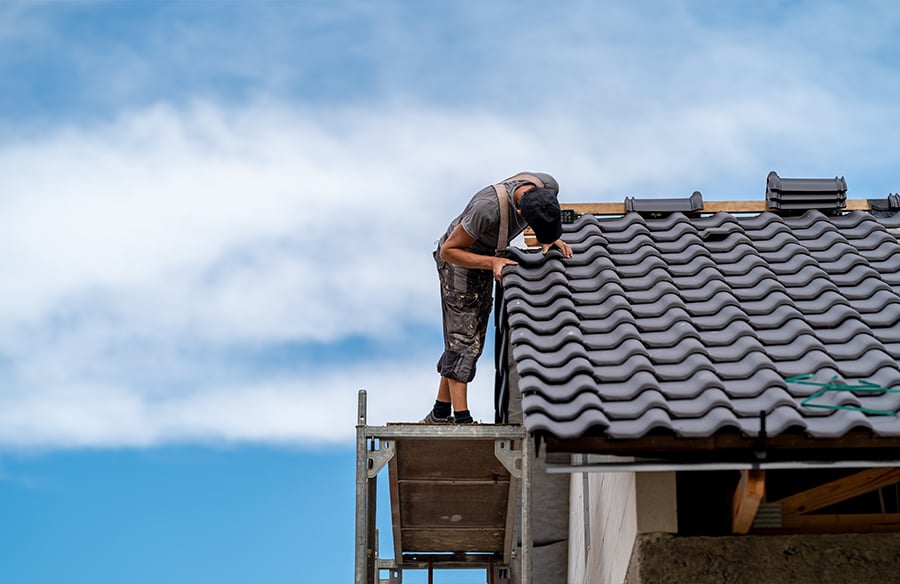
Avoid walking on the roof unless you have the necessary training and safety equipment. Roofing surfaces can be slippery, fragile, or unstable, and an attempt to inspect damage personally may create additional hazards.
If you notice a leak, contact a professional promptly. Avoid applying random sealants or making temporary repairs that could conceal the underlying problem or interfere with proper repairs.
7. How Much Does Roof Repair Cost?
The cost of roof repair varies according to several factors, including the roofing material, the size of the damaged area, labor requirements, roof accessibility, and the extent of any underlying damage.
A small repair involving a few shingles may cost considerably less than a project involving damaged decking, extensive flashing problems, or multiple leak locations. Emergency services after severe weather may also have different pricing from repairs scheduled in advance.
To understand the likely cost, request a detailed written estimate that separates labor, materials, and any additional services. Ask whether the estimate includes the removal of damaged materials, cleanup, and disposal.
It is also helpful to clarify how the contractor handles unexpected damage discovered during the project. A transparent estimate and clear communication can make budgeting easier and reduce the risk of misunderstandings.
Rather than focusing exclusively on the lowest price, consider the quality of materials, the contractor’s experience, warranty coverage, and the proposed repair method.
Conclusion
A well-maintained roof plays an essential role in protecting your home from moisture, weather damage, and unnecessary repair expenses. Recognizing early warning signs, addressing leaks promptly, and scheduling routine inspections can help prevent small roofing issues from becoming major concerns.
Whether you need shingle replacement, flashing repairs, or assistance with a persistent leak, choosing an experienced professional can help you find the right solution for your property.
By investing in timely roof repair, maintaining proper drainage, and monitoring your roof’s condition, you can protect your home and make more informed decisions about long-term roofing maintenance.