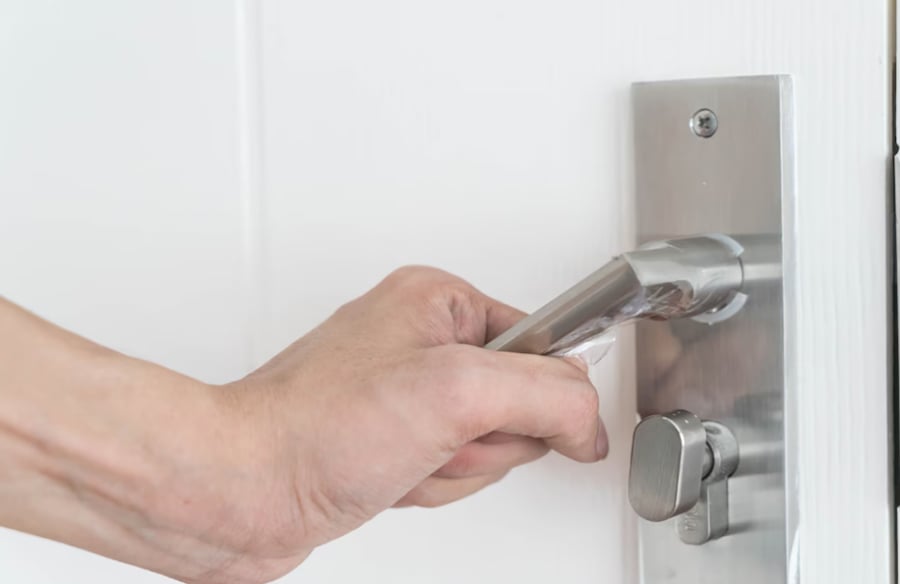
Interior door hardware can be an insignificant consideration, but it can influence the appearance of the rest of your home. Various finishes, shapes, and styles of handles can cause a room to seem unconnected, despite the compatibility of colors used on furniture and walls.
Hardware replacement without a proper plan may also result in the creation of incompatible designs and unwarranted costs. These problems are more pronounced when you pass through interconnected rooms or when you have multiple doors within the same hall.
This practice allows you to develop a cohesive interior without creating a monotonous aesthetic. One way to do this is by choosing contrasting finishes, repeating similar designs, and using hardware that fits the purpose of each door. Your door handles can complement the overall home style with just a few practical choices.
Now, let us consider in more detail how this can be practiced in all the parts of your house.
1. Choose Matching Finishes for All Interior Door Handles
The completion of your door handles is significant in the development of a uniform interior. Applying a consistent finish on multiple doors would aid in linking various rooms together, particularly in corridors and open-plan areas. Modern homes are using matte black, brushed nickel, chrome, and brushed gold.
Select a finish based on what you have in place in terms of existing furniture, fixtures, and fittings. Dark window frames and cabinet pulls are good to match with matte black handles. Brushed nickel suits cool spaces, whereas brushed gold is warm in neutral spaces.
You do not have to utilize an identical finish in every room. Nevertheless, repeating a major finish across a majority of interior doors brings about visual continuity. When you have a door in the closet or pantry that requires a simple pull, but not a working latch, you can have a dummy door handle in the same finish to keep the harmony.
2. Maintain Consistent Handle Styles Throughout the Home
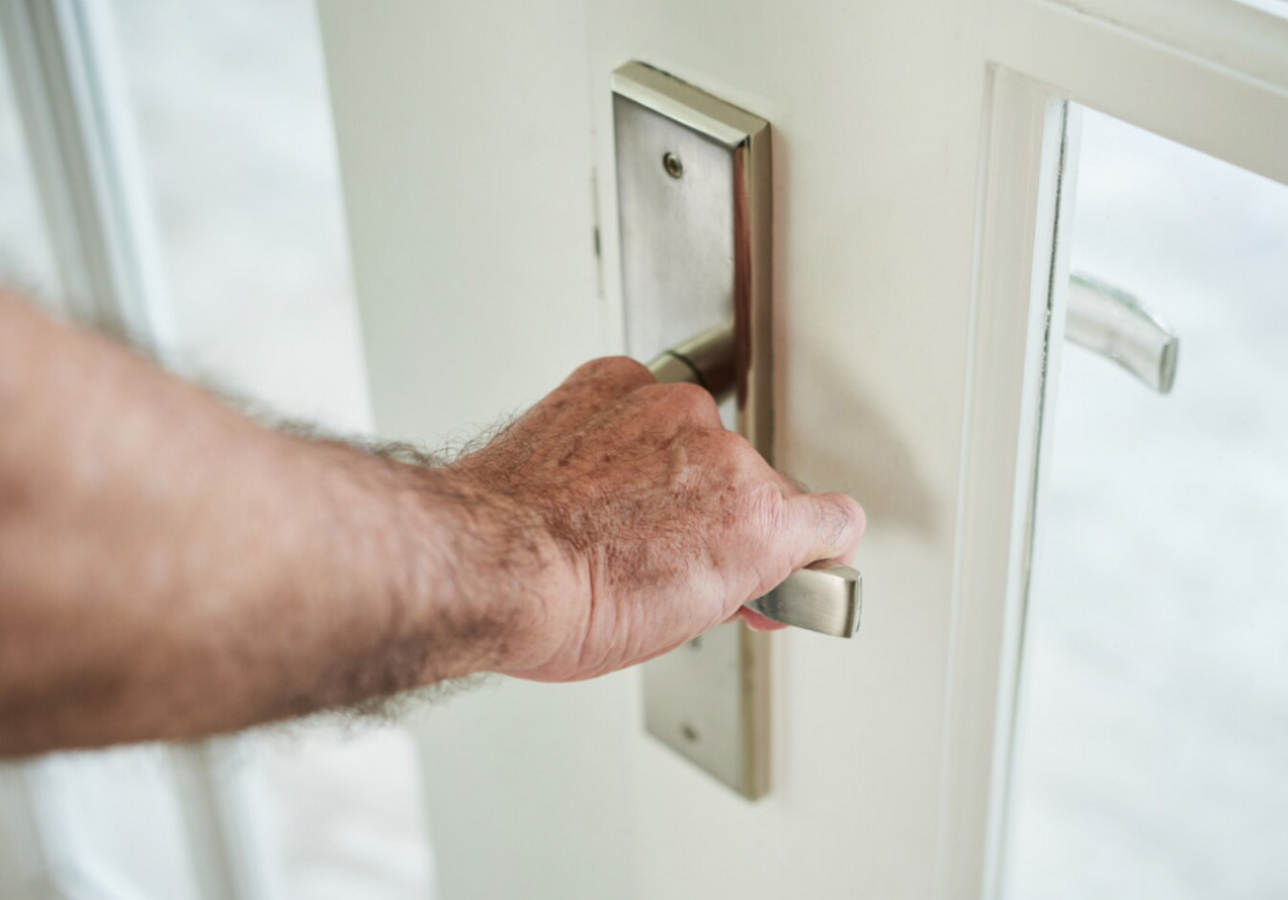 The shape and design of your door handles also affect the overall look of your home. Mixing heavily decorated handles with sleek, modern designs can make nearby doors look mismatched. Therefore, choose a style that suits your interior before buying new hardware.
For modern homes, simple lever handles with clean lines work well. Traditional interiors may suit curved handles with decorative details. If you prefer a mix of both styles, choose designs with simple shapes and subtle details.
You do not need identical handles on every door. Instead, look for similar shapes and proportions. For example, pair bedroom lever handles with matching fixed pulls on closet doors to maintain a consistent appearance.
3. Match Door Hardware with Interior Design Elements
Door handles should complement the other finishes in your home. Their colors and shapes can connect different rooms and create a balanced look. Start by checking your cabinet pulls, light fixtures, hinges, and furniture details.
For example, brushed handles can match similar kitchen fittings. Matte black hardware can also work well with dark window frames and furniture accents. Choose designs that suit your interior style, too. Simple handles often fit modern spaces, while curved designs may suit traditional homes.
You do not need to match every detail exactly. Instead, repeat a few finishes and design elements throughout your home. This keeps the overall look coordinated without making every room feel identical.
4. Select the Right Handle Type for Each Room
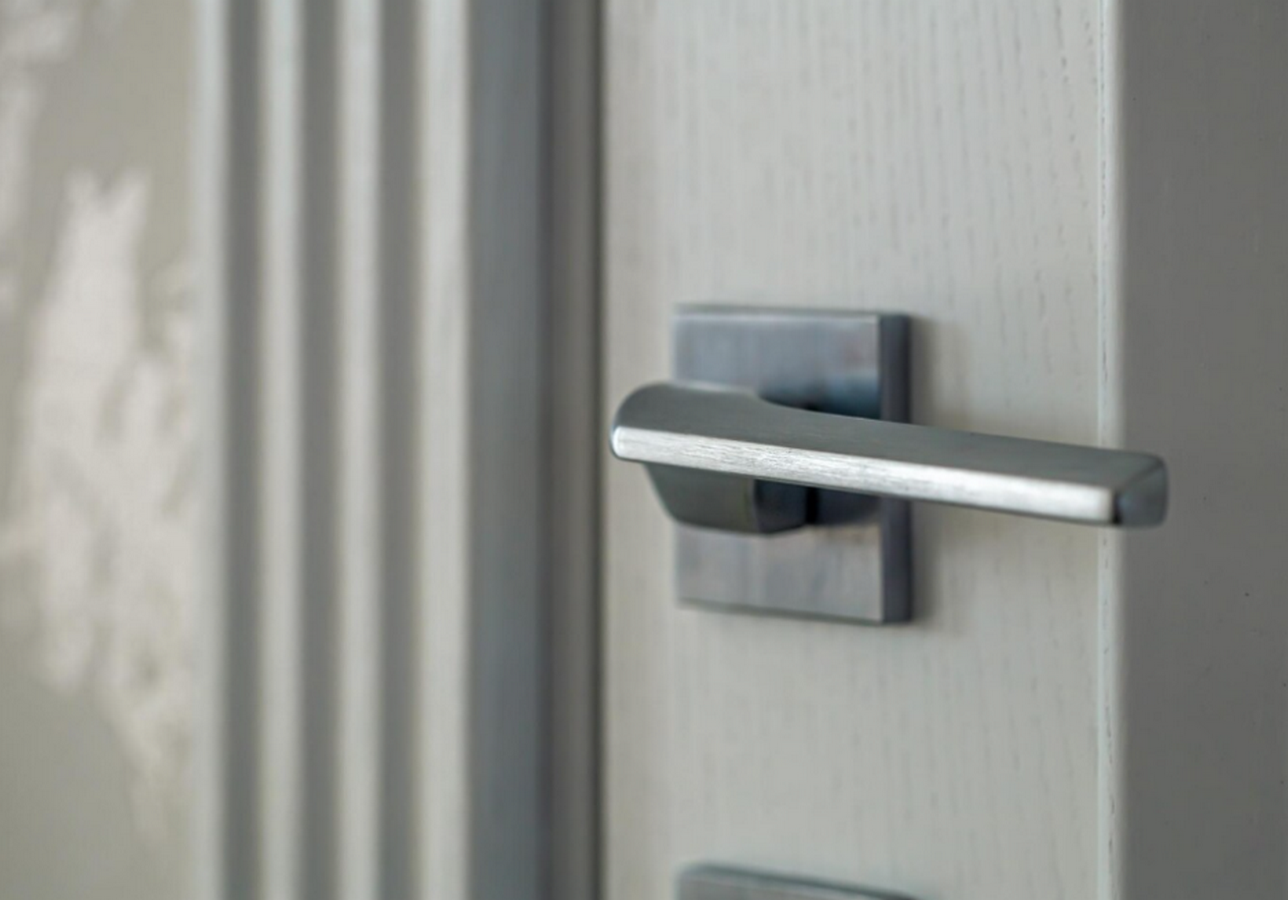 Each door needs hardware that suits its purpose. Choosing the right handle makes daily use easier while keeping your interior style consistent.
Passage handles work well for hallways and living rooms where a latch is needed without a lock. Privacy handles suit bedrooms and bathrooms because they provide a locking function. Dummy handles are fixed in place and are useful for closets, pantry doors, and inactive door panels.
Once you know what each door needs, choose handles with matching finishes and similar designs. Also, check the door’s thickness, existing holes, and mounting requirements before buying. This helps you avoid installation issues and extra costs while maintaining a coordinated look.
5. Coordinate Door Hardware Across Different Door Styles
Homes often contain several door styles, including hinged doors, double doors, sliding doors, and bi-fold closet doors. Since these doors have different structures, they may require different types of hardware. The key is to coordinate their appearance without forcing an identical handle design onto every door.
Start by identifying the doors that are visible from the same area. In a hallway, for example, matching finishes across bedroom and bathroom handles can create a connected look. If the hallway also opens into a room with double doors, choose compatible hardware that follows the same finish and design direction.
For sliding and bi-fold doors, check which handle styles suit their movement and available space. Flush pulls or compact handles may be more practical than projecting levers in certain locations.
You should also consider hinges and other visible fittings. When these details complement the handles, the entire door assembly looks more intentional. Planning the hardware together helps you avoid mismatches as you update different parts of your home over time.
Conclusion
Creating a consistent look with interior door hardware starts with a clear plan. Choose finishes that complement your interior, repeat similar handle styles, and consider the materials and colors already present in each room.
At the same time, select hardware that meets the practical needs of every door, whether it requires a latch, a privacy lock, or a fixed pull. You can also coordinate different door styles through shared finishes and design details.
By considering these factors before purchasing, you can create a connected appearance throughout your home without sacrificing functionality or making every room look monotonous.